Loading...
Done
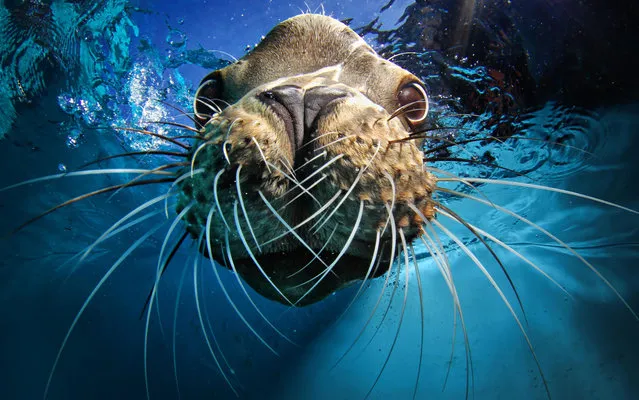
In this undated photo provided by LittleFriendsPhoto.com via Six Flags Discovery Kingdom, Kai, a 17-year-old male California sea lion at Six Flags Discovery Kingdom in Valejo, Calif. peers into the lens of photographer Seth Casteel, known for his “Underwater Dogs” photo series. (Photo by Seth Casteel/AP Photo/LittleFriendsPhoto.com via Six Flags Discovery Kingdom)

In this undated photo provided by LittleFriendsPhoto.com via Six Flags Discovery Kingdom, Kai, a 17-year-old male California sea lion at Six Flags Discovery Kingdom in Valejo, Calif. peers into the lens of photographer Seth Casteel, known for his “Underwater Dogs” photo series. ... (Photo by Seth Casteel/AP Photo/LittleFriendsPhoto.com via Six Flags Discovery Kingdom)
Details
11 May 2013 12:47:00
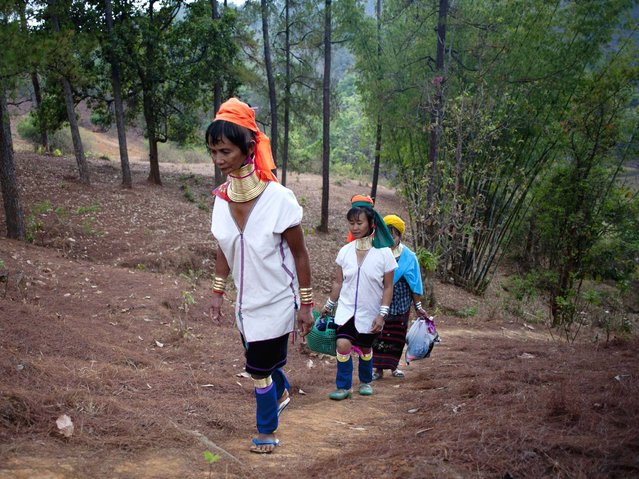
One of the theories says that the coils originate from the desire to look more attractive by exaggerating sexual dimorphism, as women have more slender necks than men. (Photo by Ye Aung Thu/AFP Photo)

This photo taken on April 16, 2014 shows ethnic Kayan women wearing traditional clothes and bronze rings around tbeir neck in Panpet village, Demoso township in Kayah state, eastern Myanmar. Some ethnic Kayan women, also known as Padaung, begin wearing the bronze rings on their neck and legs from a young age. Usually they start wearing six to ten rings when they are five to ten-years-old and then they put on one more ring a year for years after then. (Photo by Ye Aung Thu/AFP Photo)
Details
23 Apr 2014 08:56:00
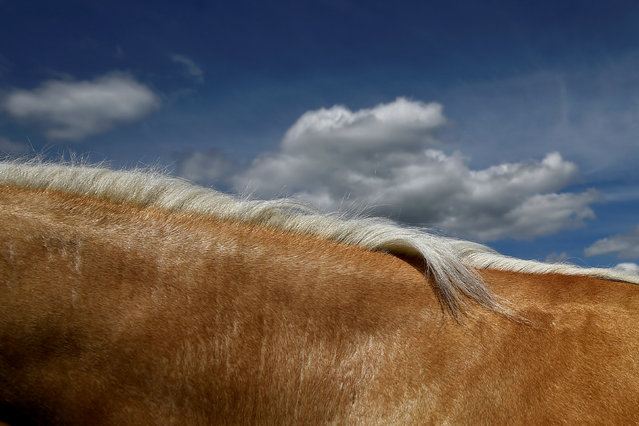
A palomino horse's mane is seen against the sky at Spancil Hill horse fair in Spancil Hill, Ireland June 23, 2018. (Photo by Clodagh Kilcoyne/Reuters)

A palomino horse's mane is seen against the sky at Spancil Hill horse fair in Spancil Hill, Ireland June 23, 2018. (Photo by Clodagh Kilcoyne/Reuters)
Details
01 Jul 2018 00:03:00
Icicles are seen on a handrail along the coast at Donggang business district in Dalian, Liaoning province, China on December 27, 2018. (Photo by Reuters/China Stringer Network)

Icicles are seen on a handrail along the coast at Donggang business district in Dalian, Liaoning province, China on December 27, 2018. (Photo by Reuters/China Stringer Network)
Details
04 Feb 2019 00:01:00
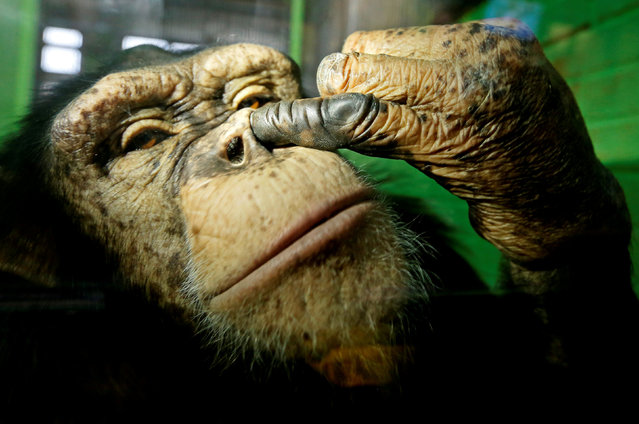
Anfisa, a twelve-year-old female chimpanzee, picks its nose at the Royev Ruchey Zoo in a suburb of the Siberian city of Krasnoyarsk, Russia October 18, 2017. (Photo by Ilya Naymushin/Reuters)

Anfisa, a twelve-year-old female chimpanzee, picks its nose at the Royev Ruchey Zoo in a suburb of the Siberian city of Krasnoyarsk, Russia on October 18, 2017. (Photo by Ilya Naymushin/Reuters)
Details
22 Oct 2017 06:42:00
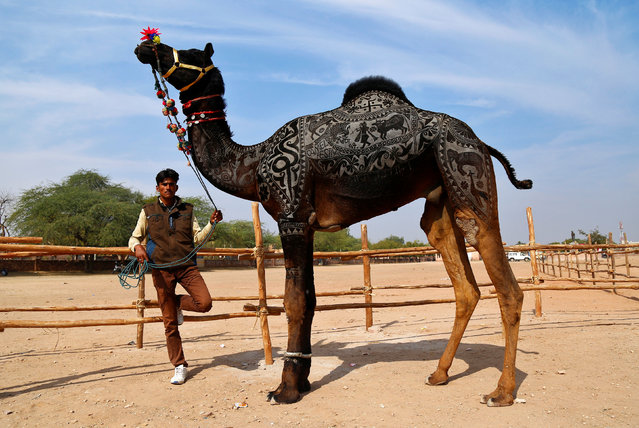
A man waits with his camel to take part in a camel decoration competition at the Nagaur Cattle Fair, where animals like camels, cows, horses, and bulls are brought to be sold or traded, in Nagaur, in the desert state of Rajasthan, India February 2, 2017. (Photo by Himanshu Sharma/Reuters)

A man waits with his camel to take part in a camel decoration competition at the Nagaur Cattle Fair, where animals like camels, cows, horses, and bulls are brought to be sold or traded, in Nagaur, in the desert state of Rajasthan, India February 2, 2017. (Photo by Himanshu Sharma/Reuters)
Details
08 Feb 2017 00:06:00
A general view of atmosphere at the annual VOLT Festival in Sopron, 208 kms west of Budapest, Hungary on August 16, 2016. (Photo by Rockstar Photographers)

A general view of atmosphere at the annual VOLT Festival in Sopron, 208 kms west of Budapest, Hungary on August 16, 2016. (Photo by Rockstar Photographers)
Details
28 Jul 2017 09:58:00
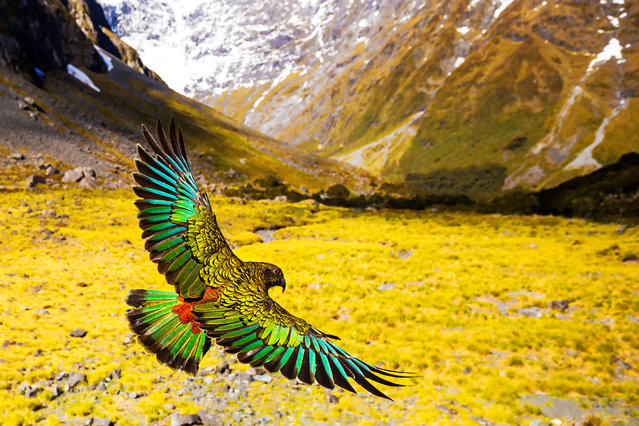
Kea are the only true alpine parrots in the world and thrive as cunning opportunists in the freezing conditions of the Southern Alps. Kea are thought to have developed their wide array of food-finding strategies during the last great ice age, where they learned to adapt using their unusual powers of curiosity. (Photo by Tom Walker/BBC Pictures/The Guardian)

Kea are the only true alpine parrots in the world and thrive as cunning opportunists in the freezing conditions of the Southern Alps. Kea are thought to have developed their wide array of food-finding strategies during the last great ice age, where they learned to adapt using their unusual powers of curiosity. (Photo by Tom Walker/BBC Pictures/The Guardian)
Details
19 Jul 2016 13:03:00