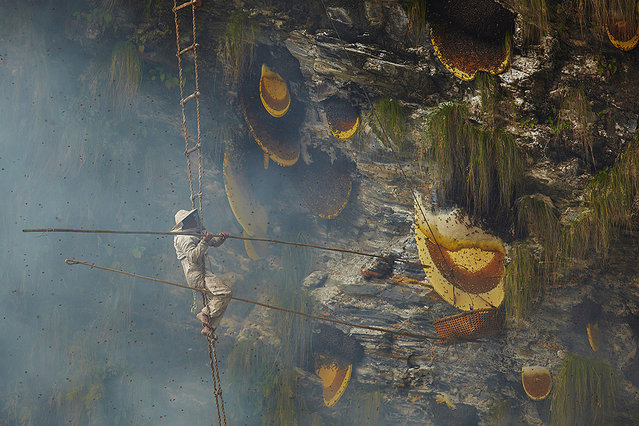
Andrew Newey, an award-winning UK-based travel photographer, has captured gripping photographs of central Nepalese Gurung tribe members engaged in a dangerous and ancient tradition – honey hunting.
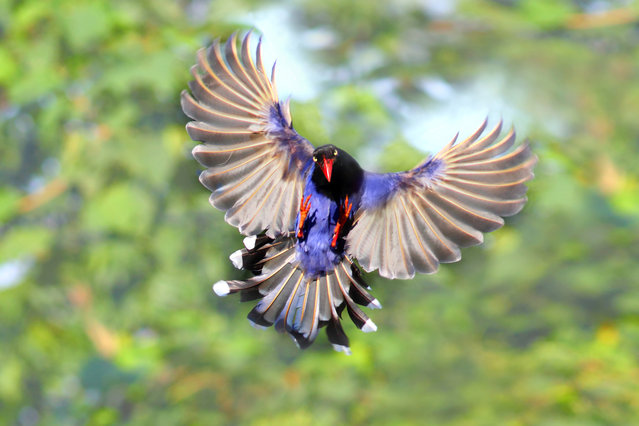
The Taiwan Blue Magpie (Urocissa caerulea), also called the Taiwan Magpie or Formosan Blue Magpie, is a member of the Crow family. It is an endemic species living in the mountains of Taiwan at elevations of 300 to 1200m.
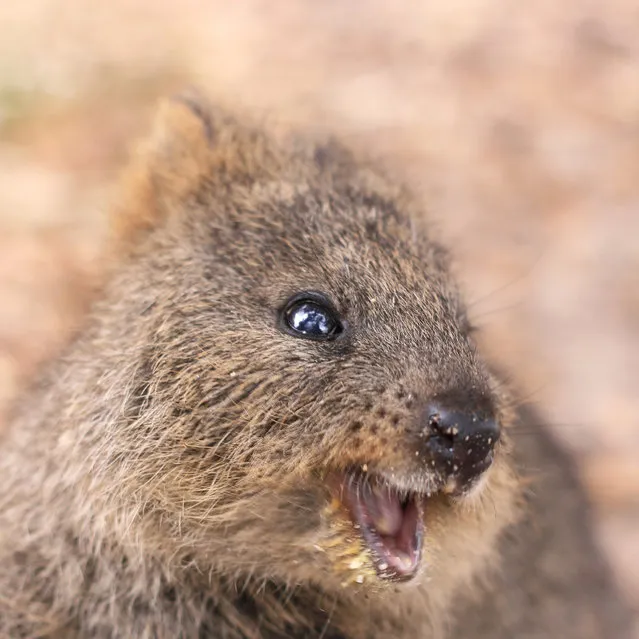
The quokka the only member of the genus Setonix, is a small macropod about the size of a domestic cat. Like other marsupials in the macropod family (such as the kangaroos and wallabies), the quokka is herbivorous and mainly nocturnal.
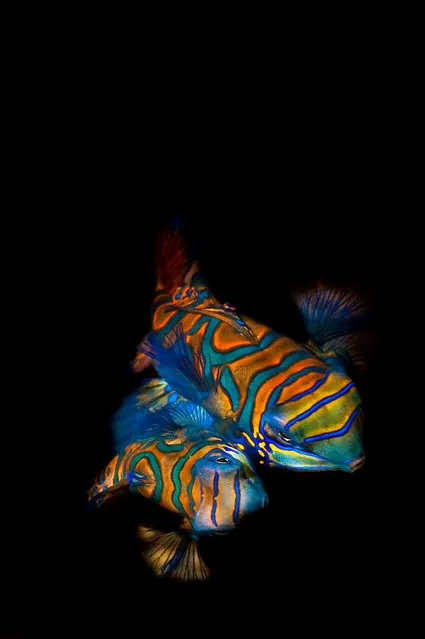
The Mandarinfish or Mandarin dragonet (Synchiropus splendidus), is a small, brightly-colored member of the dragonet family, which is popular in the saltwater aquarium trade. The mandarinfish is native to the Pacific, ranging approximately from the Ryukyu Islands south to Australia.
A group of Japanese schoolgirls marching in formation during a school visit to the third regiment to experience the soldier's way of life. (Photo by Fox Photos/Getty Images). Circa 1938
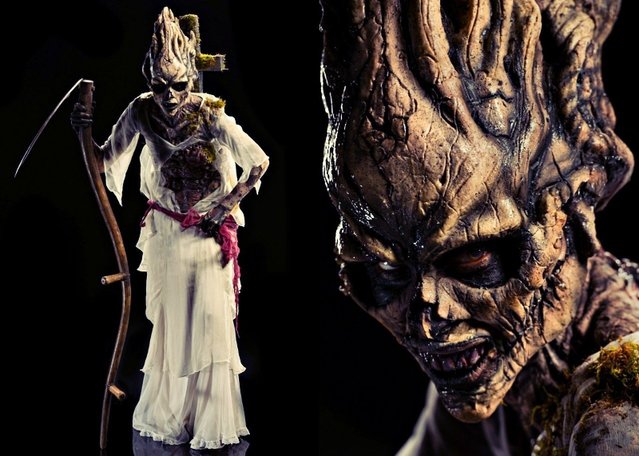
Face Off is an American reality television game show on the Syfy cable network in which a group of prosthetic makeup artists compete against each other to create prostheses such as those found in science fiction and horror films.
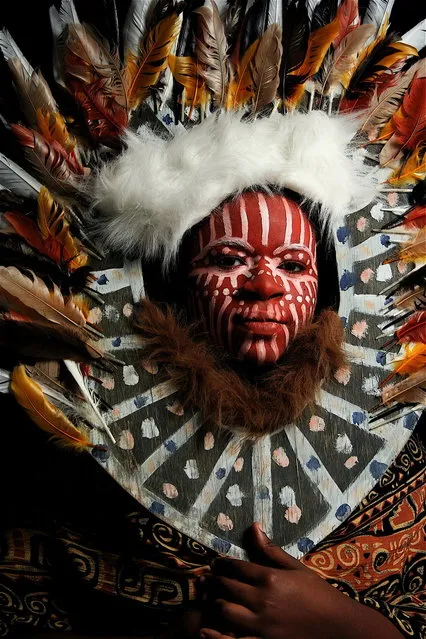
The Kikuyu tribe, also spelled as Gikuyu, is the largest ethnic group in Kenya, making up about 22% of the countries total population. That equals around 6 million people, according to the 2007 CIA World Fact Book.
A performer wearing a lion mask performs the Ise Daikagura lion dance at the remote village of Yamanawa on February 08, 2021 in Ryuo, Japan. Ise Daikagura is a group of traditional Lion Dance performers who pray in front of farmers houses and businesses for good grain harvests and disease-free lives. (Photo by Buddhika Weerasinghe/Getty Images)