Loading...
Done
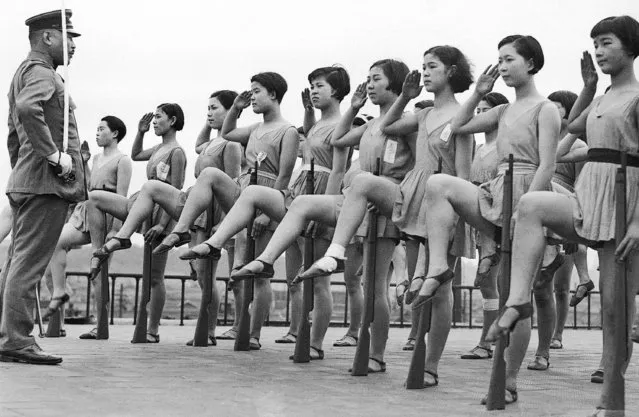
Japanese chorus girls appear to be drilling in military tactics atop their theater building as they perform salutes, June 30, 1937. The officer is from the Japanese regular army and says the girls display more rhythm in their drills than do the regular troops. (Photo by AP Photo)

Japanese chorus girls appear to be drilling in military tactics atop their theater building as they perform salutes, June 30, 1937. The officer is from the Japanese regular army and says the girls display more rhythm in their drills than do the regular troops. (Photo by AP Photo)
Details
12 Jul 2017 07:35:00
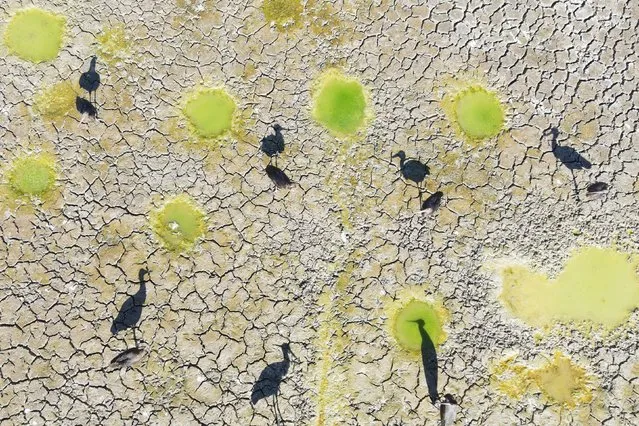
Storks casts shadows as they search for food on the dried-up Lake May in southwest Turkey on October 30, 2021. (Photo by Seyit Konyal/Solent News)

Storks casts shadows as they search for food on the dried-up Lake May in southwest Turkey on October 30, 2021. (Photo by Seyit Konyal/Solent News)
Details
22 Jul 2022 04:27:00
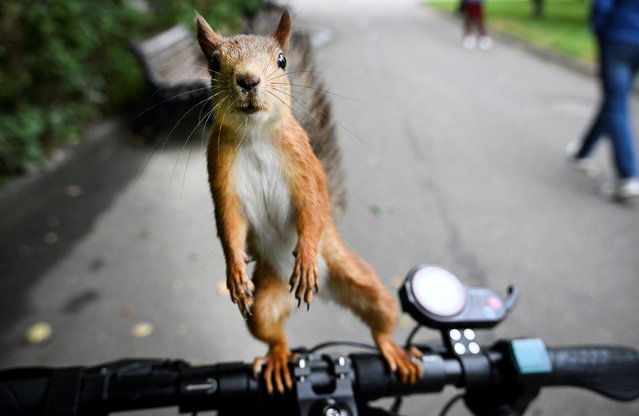
A squirrel begs for food from a scooter driver in a park in Moscow on September 2, 2025. (Photo by Alexander Nemenov/AFP Photo)

A squirrel begs for food from a scooter driver in a park in Moscow on September 2, 2025. (Photo by Alexander Nemenov/AFP Photo)
Details
15 Oct 2025 02:59:00
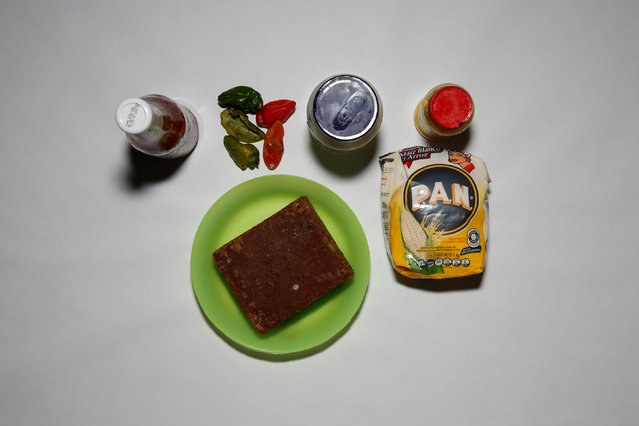
All the food available in the house of Antonia Torres and her family, is pictured at their home in Caracas, Venezuela April 22, 2016. (Photo by Carlos Garcia Rawlins/Reuters)

The combination of Venezuela's sky-rocketing prices and chronic product shortages have left many struggling to put regular food on their tables and maintain a balanced diet. According to one recent study, 87 percent of Venezuelans say their income is now insufficient to purchase their food needs. Here: All the food available in the house of Antonia Torres and her family, is pictured at their home in Caracas, Venezuela April 22, 2016. (Photo by Carlos Garcia Rawlins/Reuters)
Details
28 Apr 2016 12:30:00
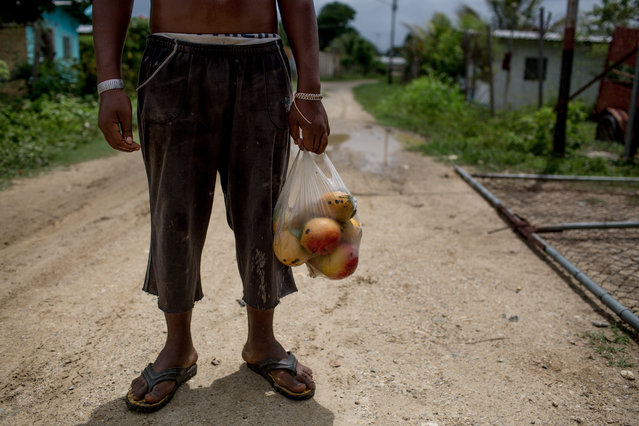
A teenager holds a bag of Mangos, a tropical fruit who grow up in threes in Caracas, Venezuela on June 22, 2016. The shortage of food especially in areas in extreme poverty had made Mangos the daily food. (Photo by Alejandro Cegarra/The Washington Post)

A teenager holds a bag of Mangos, a tropical fruit who grow up in threes in Caracas, Venezuela on June 22, 2016. The shortage of food especially in areas in extreme poverty had made Mangos the daily food. (Photo by Alejandro Cegarra/The Washington Post)
Details
11 Jul 2016 12:23:00
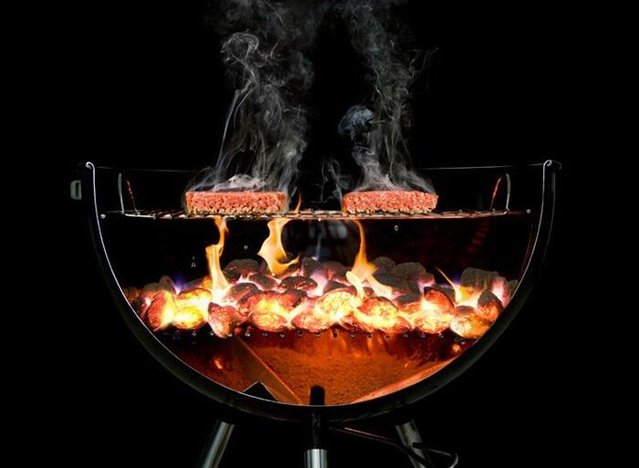
Things Cut in Half

HalfPics is a Twitter feed pointing to things cut in half like a bowl of ramen, a Mini Cooper, and toothpaste. Their tagline: “Ever wonder what stuff looks like when it’s cut in half?” Yes. We previously posted about “Cut Food,” a photo series of foods cut neatly in half by food photographer Beth Galton and food stylist Charlotte Omnès.

See also:Things Cut in Half Part1
Details
09 Sep 2013 10:05:00
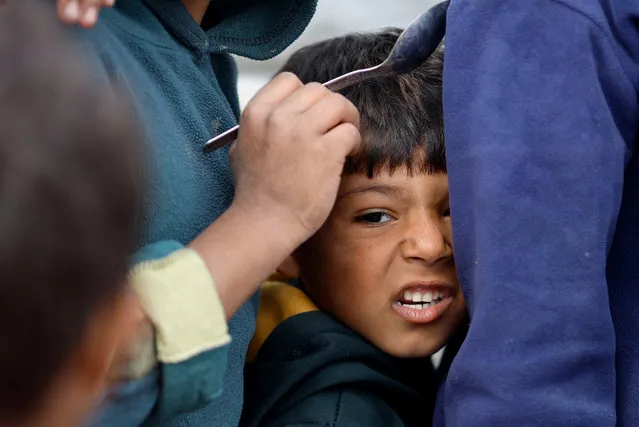
A boy reacts as Palestinians wait to receive food amid shortages of food supplies, amid the ongoing conflict between Israel and the Palestinian Islamist group Hamas, in Rafah in the southern Gaza Strip on January 17, 2024. (Photo by Mohammed Salem/Reuters)

A boy reacts as Palestinians wait to receive food amid shortages of food supplies, amid the ongoing conflict between Israel and the Palestinian Islamist group Hamas, in Rafah in the southern Gaza Strip on January 17, 2024. (Photo by Mohammed Salem/Reuters)
Details
19 Jan 2024 17:43:00
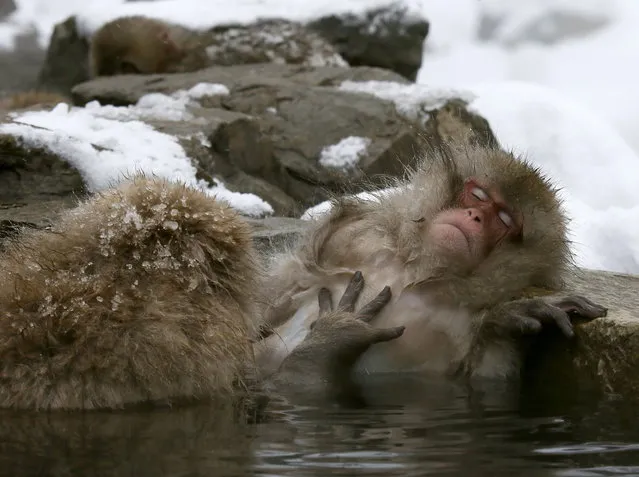
Japanese Macaque monkeys soak in the warmth of mountain hotsprings at Jigokudani Monkey Park, in Yamanouchi, central Japan, 19 January 2014. The Japanese Macaques (Macaca fuscata), also referred to as Snow Monkeys, live freely in this area that is covered by snow one third of the year. (Photo by Kimimasa Mayama/EPA)

Japanese Macaque monkeys soak in the warmth of mountain hotsprings at Jigokudani Monkey Park, in Yamanouchi, central Japan, 19 January 2014. The Japanese Macaques (Macaca fuscata), also referred to as Snow Monkeys, live freely in this area that is covered by snow one third of the year. Jigokudani is the only known place in the world where monkeys bathe in natural hot springs. As a habit, they come down from the mountains where they spend the night and bath during the day. (Photo by Kimimasa Mayama/EPA)
Details
21 Jan 2014 11:36:00