An army dog stands up as retiring soldiers salute their guard post before retirement in Suqian, Jiangsu province, China on November 29, 2017. (Photo by Reuters/China Stringer Network)
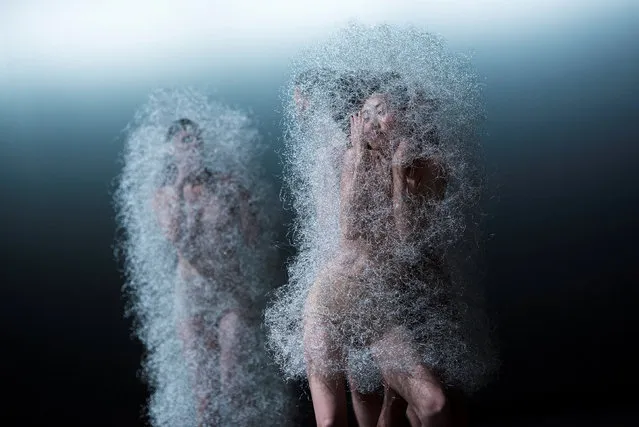
Dancers perform during a general rehearsal of “Kreatur” (Creature) by German choreographer Sasha Waltz in collaboration with artist and fashion designer Iris van Herpen and light designer Urs Schoenebaum in Berlin, Germany on June 8, 2017. (Photo by Stefanie Loos/Reuters)
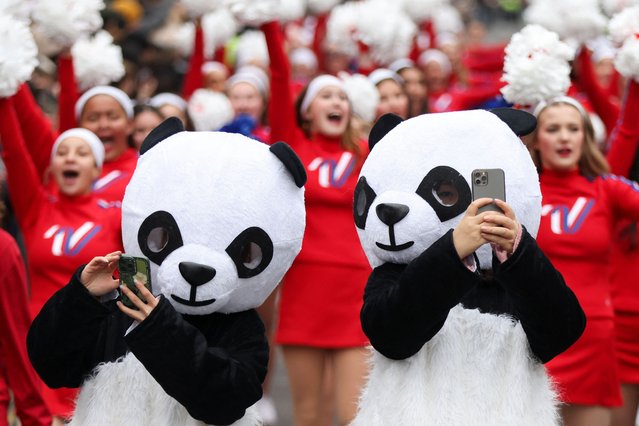
People dressed as pandas walk in front of cheerleaders during the London's New Year's Day Parade event in London, Britain on January 1, 2024. (Photo by Hollie Adams/Reuters)
As if pulled from a Disney film, a fox is mesmerised by a butterfly hovering in front of its nose in a field in Taplow, Berkshire, South East England in the second decade of July 2023. (Photo by Ann Aveyard/Animal News Agency)
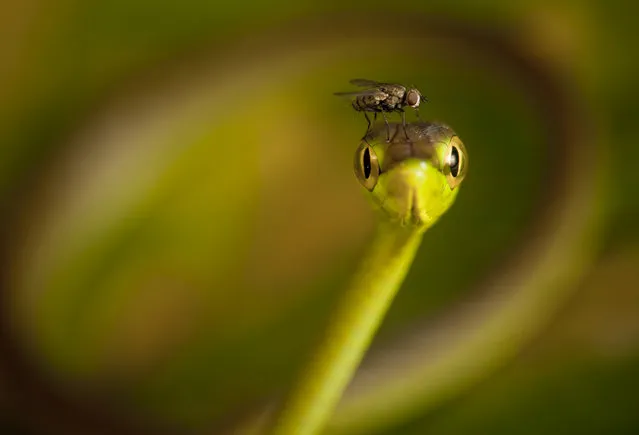
“Fly cap for a vine snake”. A fly lands on the head of a vine snake in the Choco of Colombia. (Photo and caption by Robin Moore/National Geographic Traveler Photo Contest)
ATTENTION! All pictures are presented in high resolution. To see Hi-Res images – just TWICE click on any picture. In other words, click small picture – opens the BIG picture. Click BIG picture – opens VERY BIG picture.
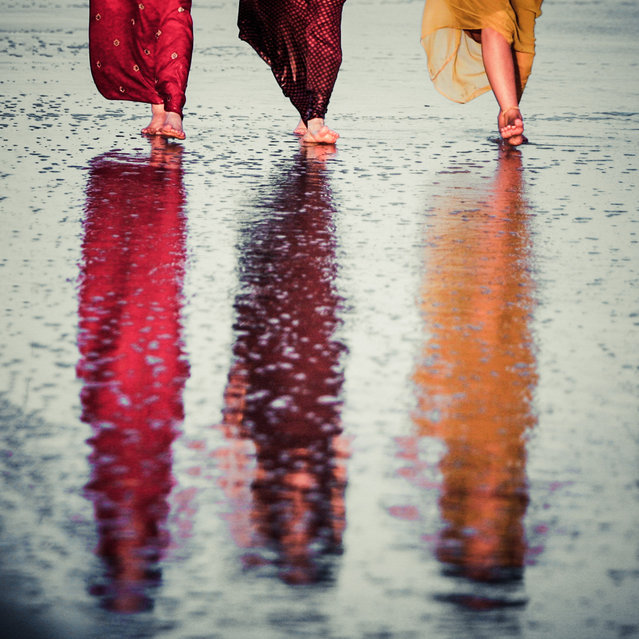
“Photocillin is the pseudonym of Dr Andy Teo, physician and people photographer based in the Surrey/Hampshire borders near London in the UK. My style is about showing the beauty of people and the world in which they live in a retro-utopian way”. – Andy Teo. Photo: “Walking six feet tall”. (Photo by Photocillin)
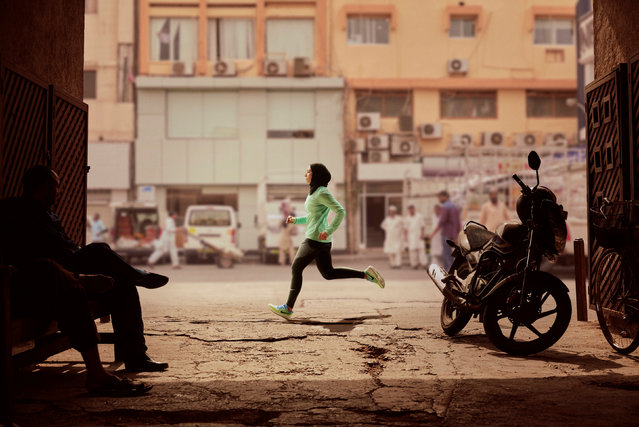
Zahra Lari runs in a scene shot for the Nike Middle East ad campaign filmed in Dubai, UAE, February 10, 2017. An online commercial released by Nike (NKE.N) this week that showed Arab women fencing, boxing and spinning on ice-skates has stirred controversy over its attempt to smash stereotypes about women leading home-bound lives in the conservative region. (Photo by Reuters/Nike)
“In anatomy, heterochromia refers to a difference in coloration, usually of the iris (but also of hair or skin). Although infrequently seen in humans, complete heterochromia is more frequently observed in other species, where it almost always involves one blue eye”. – Wikipedia (Photo by StooMathiesen)