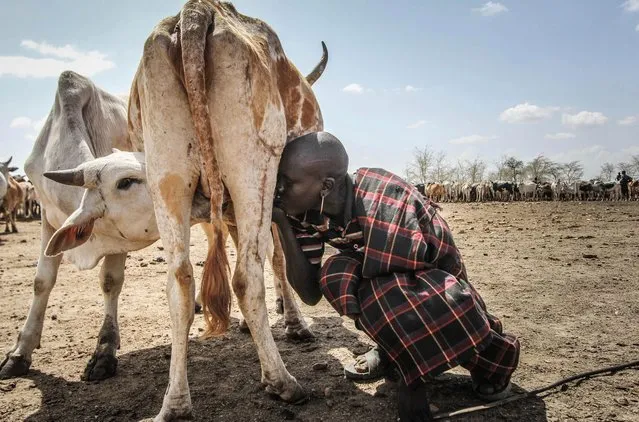
Cattle are the most important way of livelihood for the Karamojong: they provide milk, meat, blood and money when sold, Karamoja, Uganda, February 2017. (Photo by Sumy Sadurni/Barcroft Images)
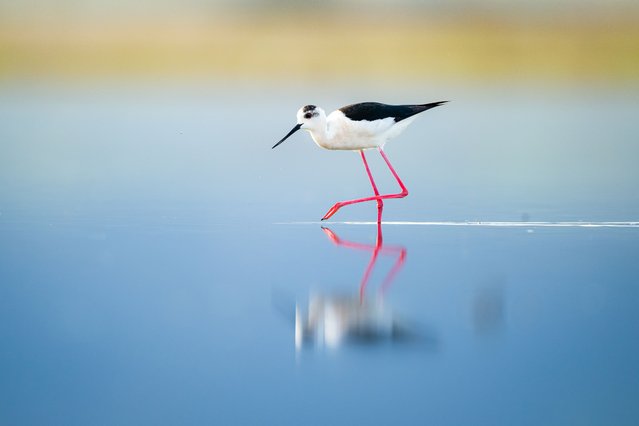
Black Winged Stilt is seen on Kavak Delta, a natural and ecologically important wetland for many migratory birds, in Canakkale, Turkiye on May 13, 2025. (Photo by Alper Tuydes/Anadolu via Getty Images)
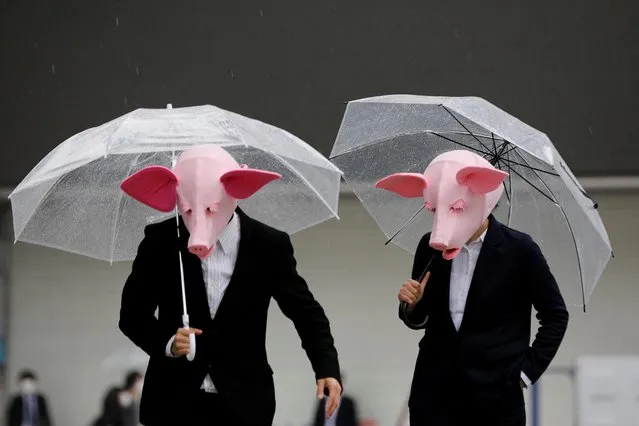
Youtubers wearing masks of pigs film a video at a shopping district which has fewer people than usually amid the coronavirus disease (COVID-19) outbreak in Tokyo, Japan, May 19, 2020. (Photo by Kim Kyung-Hoon/Reuters)
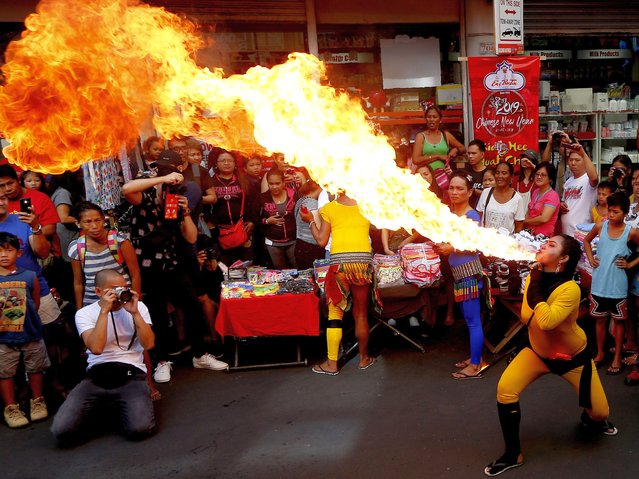
In this Tuesday, February 5, 2019, photo, fire-eater performs during celebrations of the Lunar New Year in the Chinatown district of Manila, Philippines. This year is the Year of the Earth Pig in the Chinese Lunar calendar and is supposed to represent abundance, diligence and generosity. (Photo by Bullit Marquez/AP Photo)
In this Friday, February 1, 2019, photo, Filipino-Chinese display piggy banks at the start of celebrations leading to next week's Lunar New Year in Chinatown, Manila, Philippines. This year is the Year of the Earth Pig on the Lunar calendar and is supposed to represent abundance, diligence and generosity. (Photo by Bullit Marquez/AP Photo)
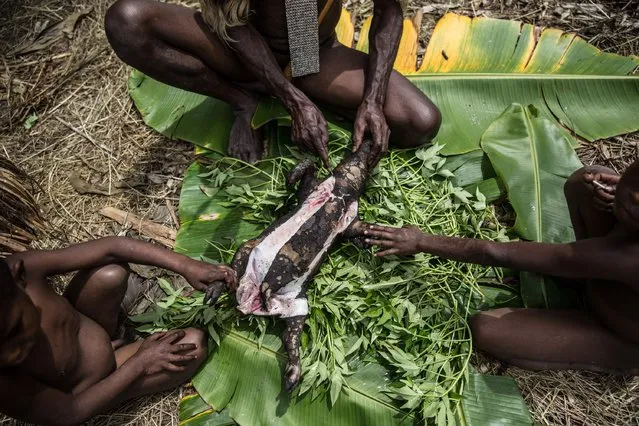
A man from the Dani tribe cuts the head of a pig after cooked by traditional way which is use burned hot stones at Obia Village on August 9, 2014 in Wamena, Papua, Indonesia. The stone-age Dani tribe live a traditional existence in the Baliem Valley, which is situated 1600 metres above sea level in the heart of the Cyclops Mountains. (Photo by Agung Parameswara/Getty Images)
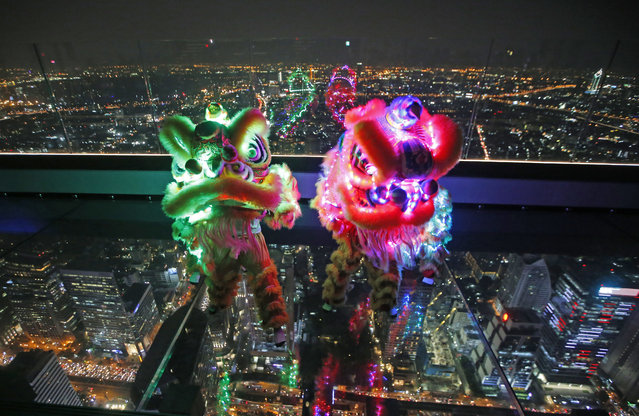
Lion dance with LED lights, perform on the glass deck of the King Power Mahanakhon building, currently Thailand's tallest at 314 meters (1,030 feet) tall, Bangkok, Thailand, Monday, February 4, 2019. Chinese will celebrate the lunar new year on Feb. 5 this year which marks the Year of the Pig in the Chinese zodiac. (Photo by Sakchai Lalit/AP Photo)
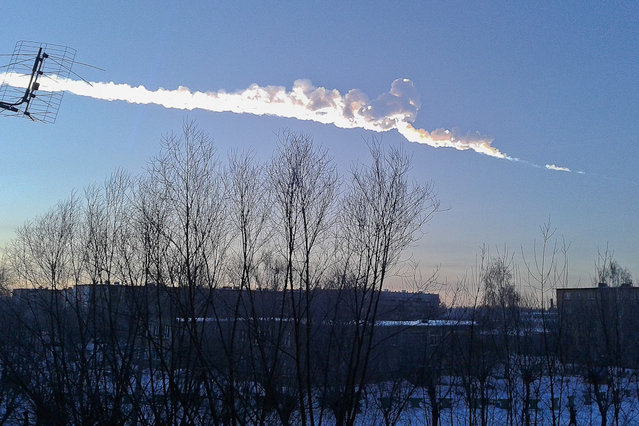
“A meteor streaked across the sky above Russia's Ural Mountains on Friday morning, causing sharp explosions and injuring more than 500 people (20 had been hospitalized in serious condition), many of them hurt by broken glass. “There was panic. People had no idea what was happening. Everyone was going around to people's houses to check if they were OK”, said Sergey Hametov, a resident of Chelyabinsk, about 1500 kilometres (930 miles) east of Moscow, the biggest city in the affected region”. (Photo by Alexey Bulaew/RIA Nowosti)