Loading...
Done
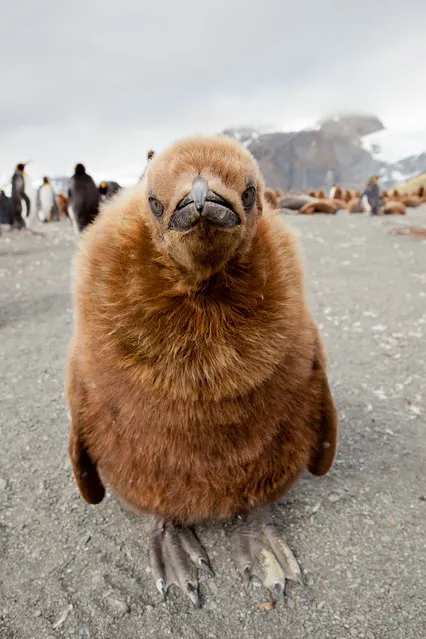
“Cub”. In the colony of penguins in South Georgia. (Photo and caption by Ondrej Zaruba/National Geographic Traveler Photo Contest)

“Cub”. In the colony of penguins in South Georgia. (Photo and caption by Ondrej Zaruba/National Geographic Traveler Photo Contest)

ATTENTION! All pictures are presented in high resolution. To see Hi-Res images – just TWICE click on any picture. In other words, click small picture – opens the BIG picture. Click BIG picture – opens VERY BIG picture.
Details
28 Jun 2013 12:32:00
Ajka alumina plant accident

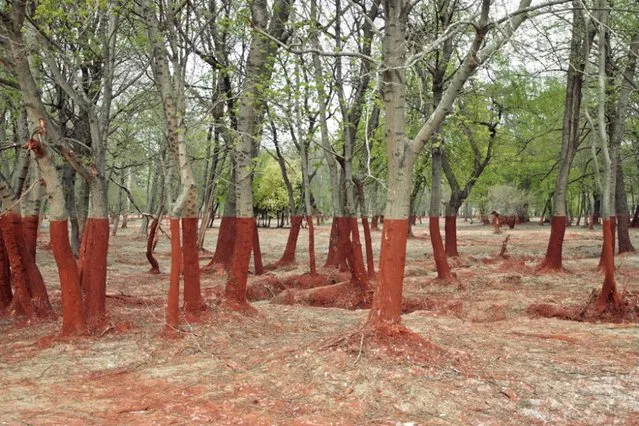
The photograph you see above isn’t the result of Photoshop or infrared photography. Captured by Spanish photographer Palíndromo Mészáros, it shows what the landscape of Ajka, Hungary looked like half a year after the Ajka alumina plant accident — an industrial disaster in which 35 million cubic feet of toxic waste flooded the land to a height of around 6.5 feet. Mészáros lined up the thick red line caused by the sludge with the horizon line to obtain this surreal image.
Details
13 Jul 2012 05:24:00
Mercedes-Benz Unimog Concept

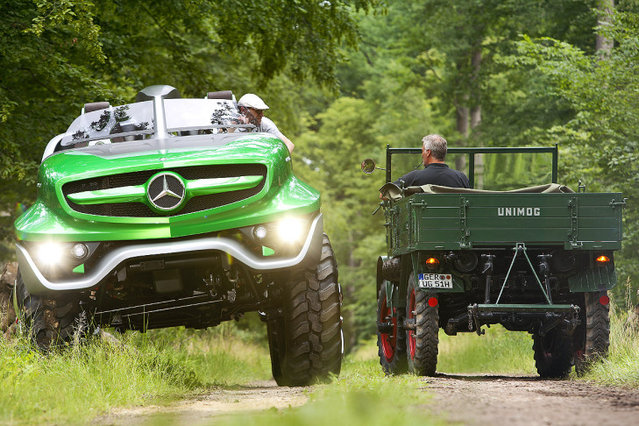
How much do things change in 60 years? Sometimes the best answer to that kind of question is a picture. Here you can see an original Unimog (right), built sometime between the start of production in 1948 and 1951, when Mercedes bought the operation in order to expand it enough to keep up with demand. On the left is a “60th Anniversary” Unimog design concept, celebrating not the actual birth of the Unimog, but its purchase by Mercedes. Needless to say, the contrast between the two is… breathtaking. And if you’re curious about the evolution of this hugely influential vehicle, if you can’t help wondering how it grew from a (relatively) tiny, spartan utility vehicle to a garish, Mercedes-starred behemoth.
Details
31 Oct 2012 11:24:00
Things Cut in Half

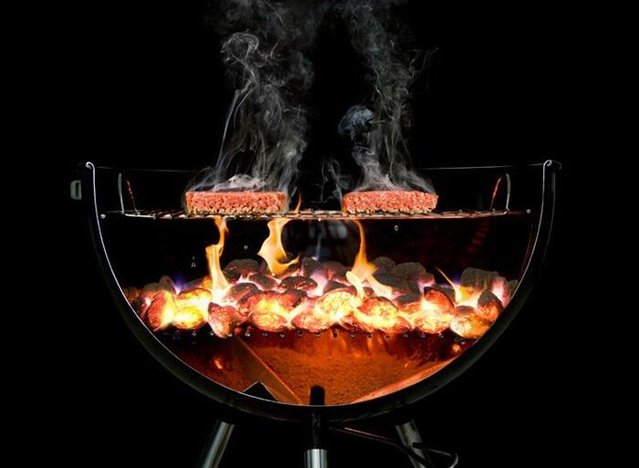
HalfPics is a Twitter feed pointing to things cut in half like a bowl of ramen, a Mini Cooper, and toothpaste. Their tagline: “Ever wonder what stuff looks like when it’s cut in half?” Yes. We previously posted about “Cut Food,” a photo series of foods cut neatly in half by food photographer Beth Galton and food stylist Charlotte Omnès.

See also:Things Cut in Half Part1
Details
09 Sep 2013 10:05:00
The Weird Shaped Trees Of Axel Erlandson

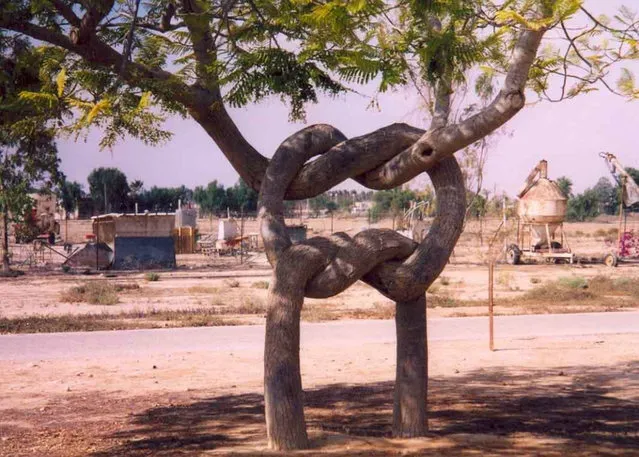
Axel Erlandson (December 15, 1884 – April 28, 1964) was a Swedish American farmer who shaped trees as a hobby, and opened a horticultural attraction in 1947 advertised as "See the World's Strangest Trees Here," and named "The Tree Circus."
The trees appeared in the column of Robert Ripley's Believe It or Not! twelve times. Erlandson sold his attraction shortly before his death. The trees were moved to Gilroy Gardens in 1985.
Details
20 Sep 2013 11:38:00
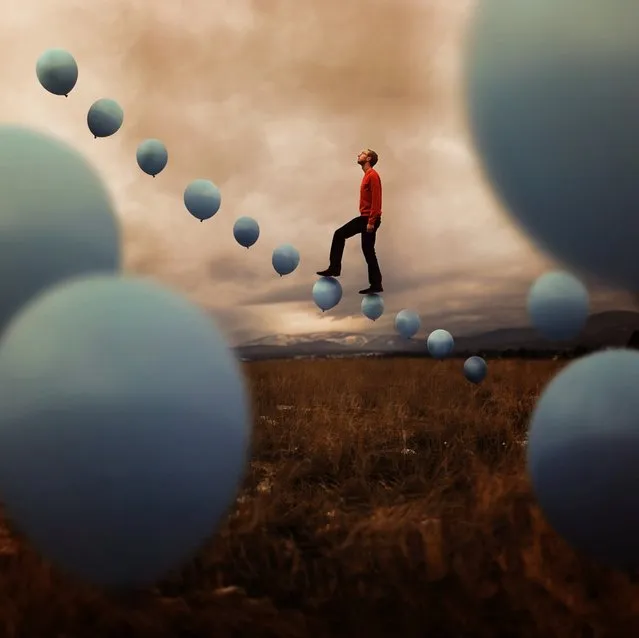
Photographers: Joel Robison Part2

“Hi! I'm Joel, I live in a valley in British Columbia's Rocky Mountains, as close to the forest as I could possibly be! I love to run, bike, jump, eat and create and I hope that you enjoy my work as much as I enjoy creating it!” – Joel Robison. (Photo by: Joel Robison; Source: Flickr)


See Also:Photographers: Joel Robison Part1
Details
01 Nov 2013 10:40:00
«Photoswapped» By Paul Ripke

“Photoswapped: Mum and dads switch heads with their children in freakiest photos you'll ever see. It is a position that many young children would love to be in. And now these strange and sometimes unnerving images show what it would actually be like if babies swapped roles, and heads, with their mother or father. The photos, created by top advertising photographer Paul Ripke, are so eye-catching that they have swept across the world online”. (Photo by Paul Ripke/Barcroft Media via Fame Pictures)
Details
14 Jan 2012 12:44:00


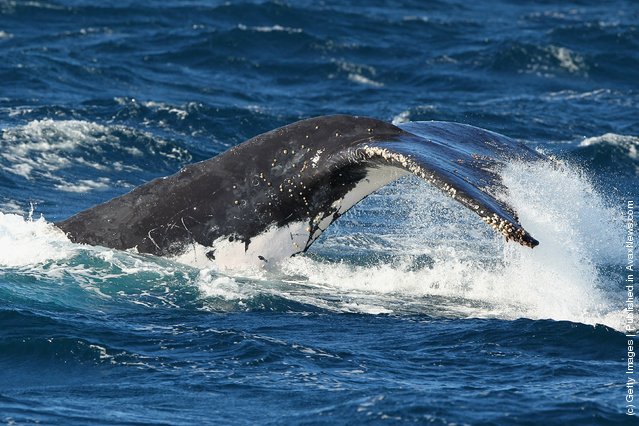
A humpback whale is seen at the beginning of whale watching season during a Manly Whale Watching tour on June 8, 2011 in Sydney, Australia. The first day of winter in New South Wales, June 1st, marks the start of the Humback and southern right whales migration from southern regions to the north to warmer waters. Whale watchers should expect tohave plenty to see with the whale population increasing each year. The migration north continues through July and with the whales returning between September and November. (Photo by Cameron Spencer/Getty Images)
Details
08 Jun 2011 09:49:00