Loading...
Done


Greetings, our dear visitors!


Without mincing words we would like to present a feature: Self-Publishing, let's call it Samizdat. :-) Sure we aren't Flickr, StumbleUpon or add_whatever_you_like, we're really small in comparison with these giants but we have constant, very attentive and grateful audience. All we can offer you is a place on the main page and attention of all our visitors to your posts, the things that are hard to achieve on numerous social services. Who knows, maybe tiny and humble indie project like AvaxNews will be much more helpful in searching of your audience than facebook for example. %-)
Details
11 Oct 2013 10:17:00
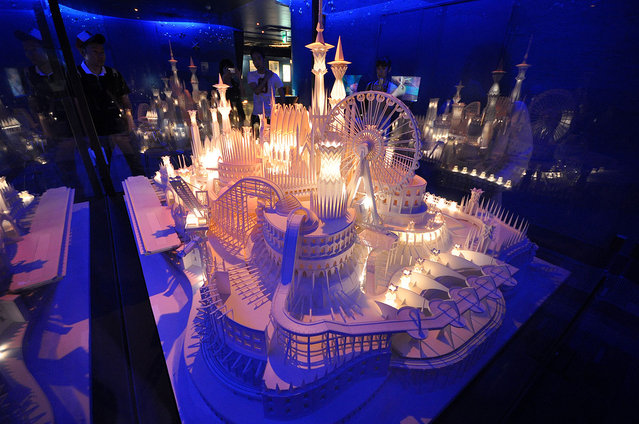
Paper Craft Castle By Wataru Itou

A paper craft art installation by Wataru Itou, a young student of a major art university in Tokyo. The installation is hand made over four years of hard work, complete with electrical lights and a moving train, all made of paper! Clearly, this man must have created one of the most stunning examples of Paper Craft in the world. The exhibition where this masterpiece was exposed was entiteled A Castle On the Ocean. It was exhibited at Umihotaru, a place which in itself is a major attraction: a service area in the middle of the ocean, right between Tokyo City and Chiba Prefecture.
Details
04 Dec 2013 10:13:00
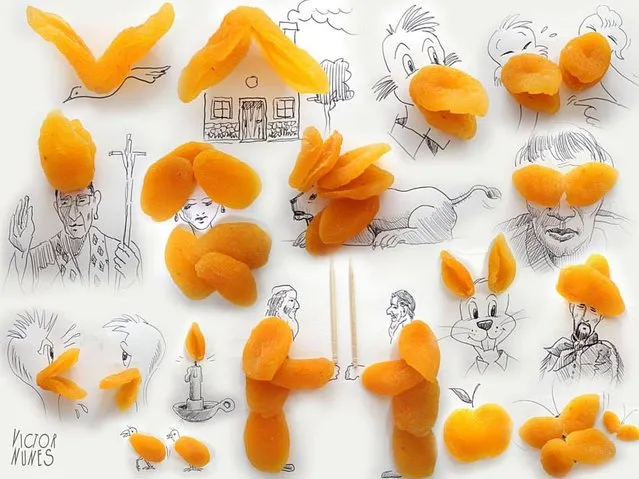
Food In Faces By Victor Nunes

Artist Victor Nunes combines every-day objects with simple illustrations to turn them into pictures of faces, animals and other playful scenes. His images invite us to look at the world differently and find creative images in our surroundings. Nunes’ art is a great example of pareidolia, which is our propensity to give meaning to random objects (like in this post about seeing faces in random objects). It’s the reason why we associate a smiley face with a human face and why some of Nunes’ pieces of popcorn or bread resemble faces to us.
Details
02 Feb 2014 11:58:00
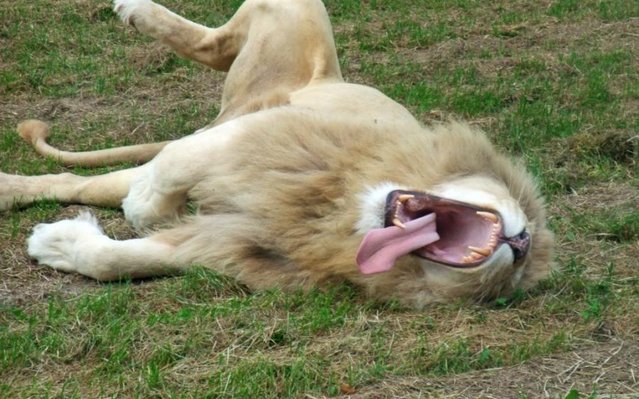
Animals Yawning

In animals, yawning can serve as a warning signal. For example, Charles Darwin, in his book The Expression of the Emotions in Man and Animals, mentioned that baboons yawn to threaten their enemies, possibly by displaying large canine teeth. Similarly, Siamese fighting fish yawn only when they see a conspecific (same species) or their own mirror-image, and their yawn often accompanies aggressive attack. Guinea pigs also yawn in a display of dominance or anger, displaying their impressive incisor teeth. This is often accompanied by teeth chattering, purring and scent marking.

Details
11 Aug 2012 09:12:00
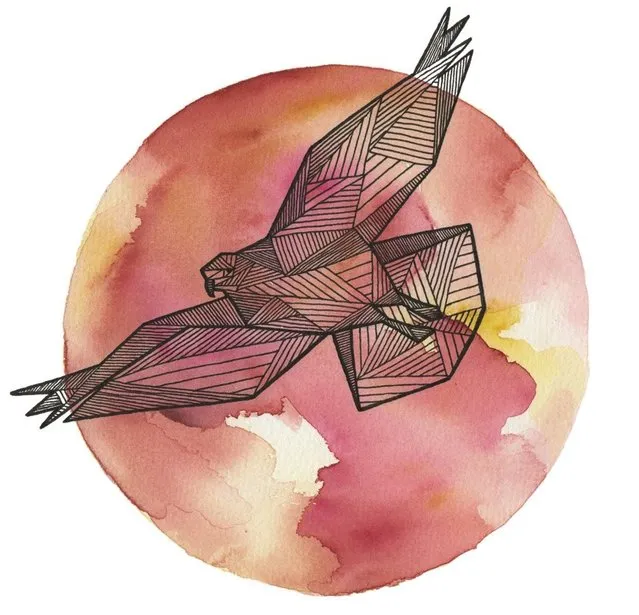
Geometric Animals By Allison Kunath

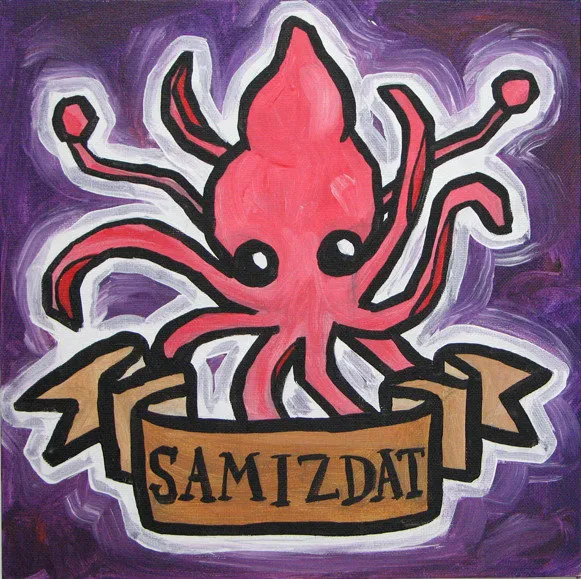
The combination of two different drawing styles in one picture never ceases to amaze us. The works of Allison Kunath are a vivid example of this technique. The background of her pictures is drawn using watercolors, while the actual image is broken down into rough geometrical shapes. This creates a very striking contrast, thanks to black, bold lines of the image on the forefront drawn over soft, cloudy shades of color. The skill of Allison is clearly seen in the way she manages to draw something as amorphous as a squid without making any curved lines. (Photo by Allison Kunath)
Details
22 Dec 2014 12:01:00
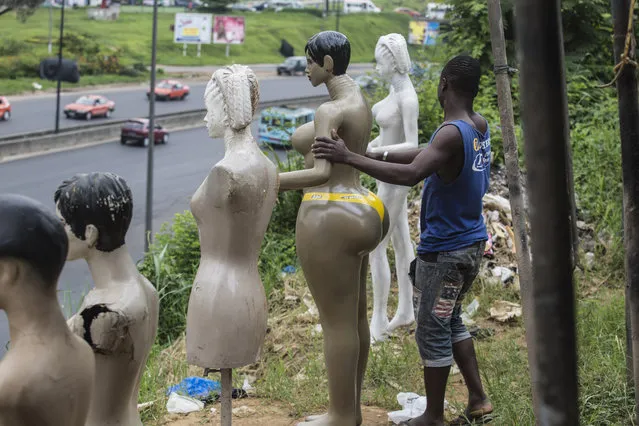
A curvy woman is considered prosperous, healthy and s*xy in Ivory Coast, photographer Joana Choumali explains. Here: An apprentice lines up his work on a roadside. (Photo by Joana Choumali)

Photographer Joana Choumali’s latest project explores body image and beauty by documenting the men building Abidjan’s clothing models. The “Awoulaba” mannequin is a customised model designed with the African ideal of beauty in mind, curvier than the stick-thin examples usually seen in the west. They first appeared in 2011, and have since become a familiar sight outside the numerous clothing shops dotted throughout Ivory Coast’s capital, Abidjan. Here: An apprentice lines up his work on a roadside. (Photo by Joana Choumali)
Details
06 Jun 2016 11:05:00
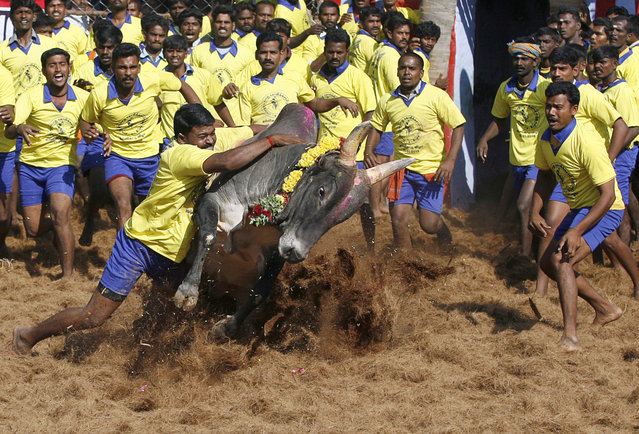
Bull tamers try to control a bull during the bull-taming sport called Jallikattu, in Palamedu, about 575 kilometers (359 miles) south of Chennai, India, Tuesday, Jan. 15, 2013. (Photo by Arun Sankar K./AP Photo)

“Jallikattu is a bull taming sport played in Tamil Nadu as a part of Pongal celebrations on Mattu Pongal day. Annually, jallikattu is held from January to July, played first in world-famous Palamedu, near Madurai on January 15 followed by “Alanganallur-jallikattu” in Alanganallur, near Madurai on 16 January. There is a specific breed of cattle bred for this purpose known as Jellicut and from the place of a big breeder Pulikulam”. – Wikipedia. Photo: Bull tamers try to control a bull during the bull-taming sport called Jallikattu, in Palamedu, about 575 kilometers (359 miles) south of Chennai, India, Tuesday, January 15, 2013. (Photo by Arun Sankar K./AP Photo)
Details
17 Jan 2014 10:06:00
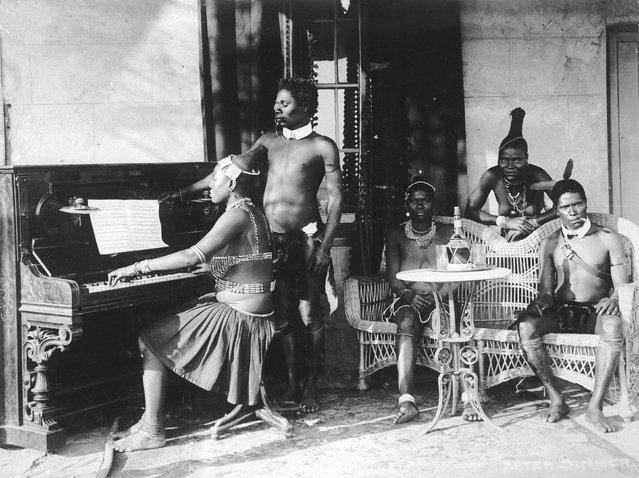
circa 1925:  A Zulu woman playing the piano while a group of others sit and listen.  (Photo by General Photographic Agency/Getty Images)

“The Zulu are the largest South African ethnic group, with an estimated 10–11 million people living mainly in the province of KwaZulu-Natal. Small numbers also live in Zimbabwe, Zambia, and Mozambique. Their language, Zulu, is a Bantu language; more specifically, part of the Nguni subgroup. The Zulu Kingdom played a major role in South African history during the 19th and 20th centuries. Under apartheid, Zulu people were classed as third-class citizens and suffered from state-sanctioned discrimination. They remain today the most numerous ethnic group in South Africa, and now have equal rights along with all other citizens”. – Wikipedia.

Photo: A Zulu woman playing the piano while a group of others sit and listen (to put it briefly, Englishmen scoff over Zulu). South Africa, circa 1925. (Photo by General Photographic Agency)

Details
03 Feb 2014 09:40:00