Loading...
Done


A woman in a maid costume serves customers the Maid Coffee Shop in the Akihabara District October 23, 2005 in Tokyo, Japan. The Akihabara District is known as the world's biggest electrical appliance and equipment town, but recently this area has also became famous for having many shops delivering products and healing services by employees in the costume of maids and animation characters. Some popular shops include coffee, hair salon and massage shops where females deliver services dressed as maids. (Photo by Koichi Kamoshida/Getty Images)
Details
10 Jul 2011 09:32:00
Atlantic Puffin Is AKA Puffins Or Puffin Birds

The Atlantic Puffin is definitely a curious-looking bird. The special coloring that this bird develops for the breeding season in the spring is very reminiscent of tropical birds. The bright colors of the beak and the markings around the eyes serve no particular advantage and have evolved as a result of sexual selection. However, Puffins don’t look that pretty all year round. They shed all these festive colors in partial moult after the breeding season is over. They lose the ornaments around their eyes, their face becomes darker, and their beak becomes very different. The natural habitat of these birds is the cold waters of the North Atlantic Ocean.
Details
12 Nov 2014 13:40:00
Jay cooks the ingredients of the tiny spaghetti on the tiny stove. (Photo by Jay Baron/Caters News)

Videographer Jay Baron, from Utah, spends up to nine hours cooking super small dishes and serving them up to his YouTube audience. The tiny portions feature cuisine from all over the world, from ultra-American apple pie to Japanese ramen. The 22-year-old confines himself to cooking in a 2ft by 2ft box, so the only heat he can use comes from a tea light. Here: Jay cooks the ingredients of the tiny spaghetti on the tiny stove. (Photo by Jay Baron/Caters News)
Details
26 Nov 2016 10:34:00
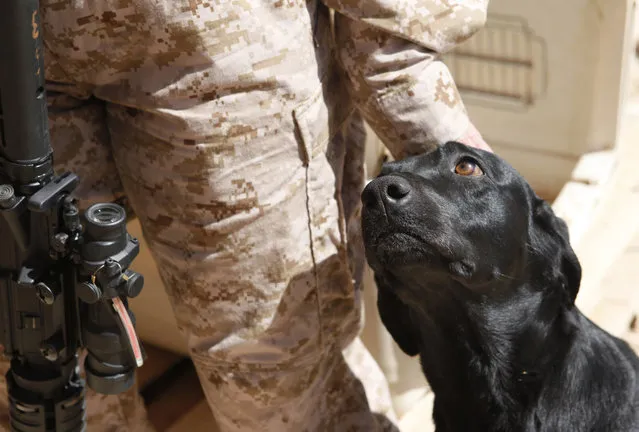
Afghanistan: Dogs of War Part 2

Throughout the course of the long war in Afghanistan, Coalition troops have relied on thousands of military working dogs to help keep them safe, and make their jobs easier. The dogs are trained to detect explosives, to find illegal drugs, to search for missing comrades, or target enemy combatants. Not only are they active on the front lines, but behind the lines they serve as therapy dogs, service dogs, and loyal companions. They also share the same risks as the ground troops, suffering injuries and sometimes death on the battlefields. Gathered here are images of these dogs and their handlers in Afghanistan and back home, from over the past several years, part of the ongoing series here on Afghanistan.
Details
05 Jun 2014 21:10:00
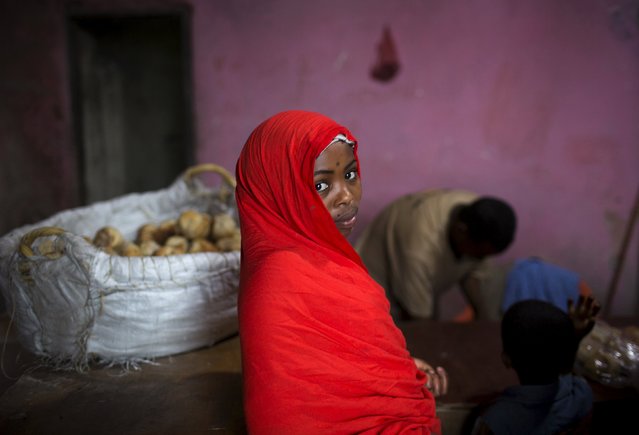
A girl is seen in a bakery in the old walled town of Harar in eastern Ethiopia, May 19, 2015. (Photo by Siegfried Modola/Reuters)

A girl is seen in a bakery in the old walled town of Harar in eastern Ethiopia, May 19, 2015. Daily life of people in Ethiopia, where elections are held this weekend, is portrayed in the east African nation's churches and mosques, coffee shops and markets, both in the capital Addis Ababa and the walled town of Harar in the east. Ethiopia, home to nearly 100 million people, holds the first poll on Sunday since long-serving leader Meles Zenawi died in 2012. (Photo by Siegfried Modola/Reuters)
Details
25 May 2015 09:43:00


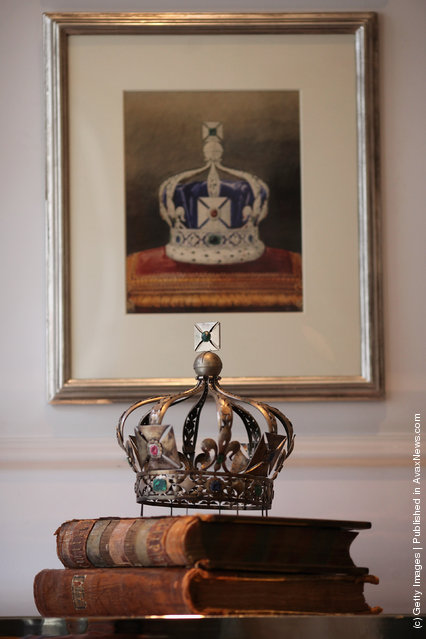
A preparatory model of the Imperial State Crown of India worn in 1911 by King George V stands next to original ledgers dating from 1735 in Garrard's flagship store in Mayfair on April 6, 2011 in London, England. Garrard is the world's oldest jewellers having been founded by George Wickes in 1735 and soon after appointed as goldsmith to the Prince of Wales. For over 160 years Garrard held the title of Crown Jeweller, bestowed by Queen Victoria in 1843, Garrard have served six successive monarchs. They have produced several royal crowns as well as the engagement ring presented to Kate Middleton by Prince William and formerly Princess Diana's engagement ring. (Photo by Oli Scarff/Getty Images)
Details
17 Apr 2011 10:22:00


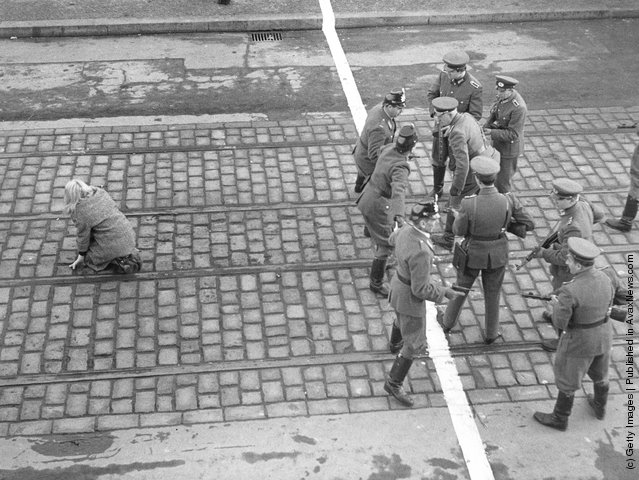
“The Berlin Wall (German: Berliner Mauer) was a barrier constructed by the German Democratic Republic (GDR, East Germany) starting on 13 August 1961, that completely cut off West Berlin from surrounding East Germany and from East Berlin. The barrier included guard towers placed along large concrete walls, which circumscribed a wide area (later known as the “death strip”) that contained anti-vehicle trenches, “fakir beds” and other defenses. The Soviet-dominated Eastern Bloc officially claimed that the wall was erected to protect its population from fascist elements conspiring to prevent the “will of the people” in building a socialist state in East Germany. However, in practice, the Wall served to prevent the massive emigration and defection that marked Germany and the communist Eastern Bloc during the post-World War II period”. – Wikipedia

Photo: West Berlin policemen and East German Volkspolizei face each other across the border in Berlin, circa 1955. (Photo by Three Lions/Hulton Archive/Getty Images)
Details
22 May 2011 10:49:00
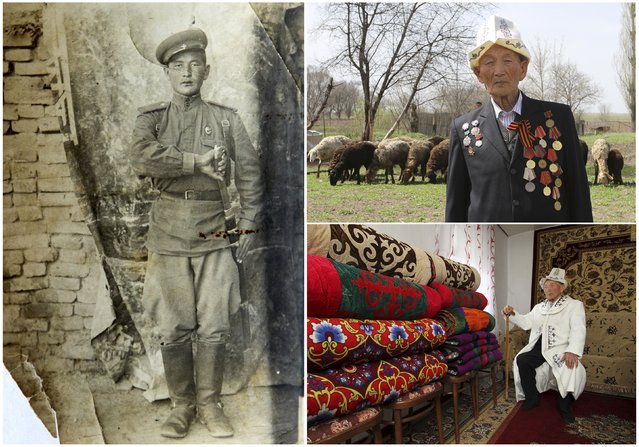
World War Two veteran Abla Begaliyev, 91, is seen in an undated handout picture (L), poses for a picture in Arashan (Top R) and at home in Kyrgyzstan April 14, 2015. Begaliyev served in the border guard cavalry from February 1942 until April 1947. Originally from Kyrgyzstan, he fought on the Ukrainian front and relocated to the border with Afghanistan at the end of World War Two. (Photo by Vladimir Pirogov/Reuters/Family handout (L))

World War Two veteran Abla Begaliyev, 91, is seen in an undated handout picture (L), poses for a picture in Arashan (Top R) and at home in Kyrgyzstan April 14, 2015. Begaliyev served in the border guard cavalry from February 1942 until April 1947. Originally from Kyrgyzstan, he fought on the Ukrainian front and relocated to the border with Afghanistan at the end of World War Two. As the world marks the 70th anniversary of the end of World War Two, Reuters photographers the length and breadth of the former Soviet republics (CCCP) captured portraits of Red Army veterans, mostly now in their 80s and 90s, today and through archive pictures at the time. More than 20 million Soviet citizens were killed in the war. (Photo by Vladimir Pirogov/Reuters/Family handout (L))
Details
08 May 2015 14:22:00