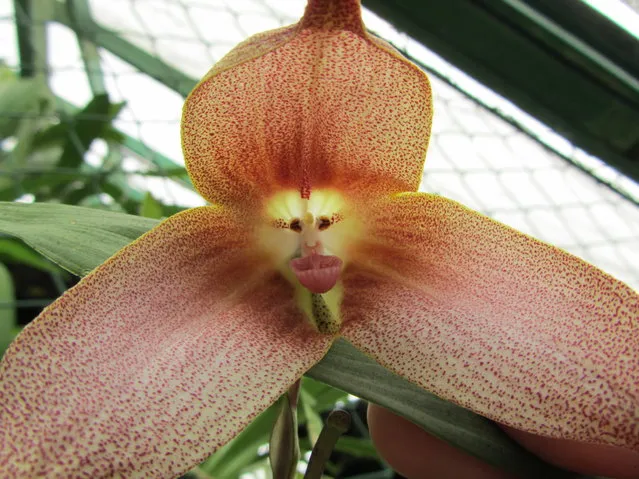
The Monkey orchid (Orchis simia) is an orchid species of the Orchis genus. It is known for its pungent odor, which some say is similar to that of feces.
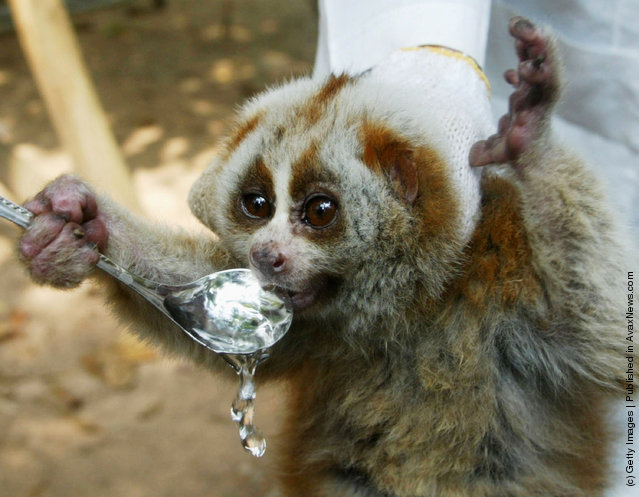
Workers feed water to a Slow Loris at the Guangdong Wild Animal Rescue Centre on December 21, 2004 in Guangzhou, China. Many protected species at the Centre have been seized by Police from illegal traders. (Photo by China Photos/Getty Images)
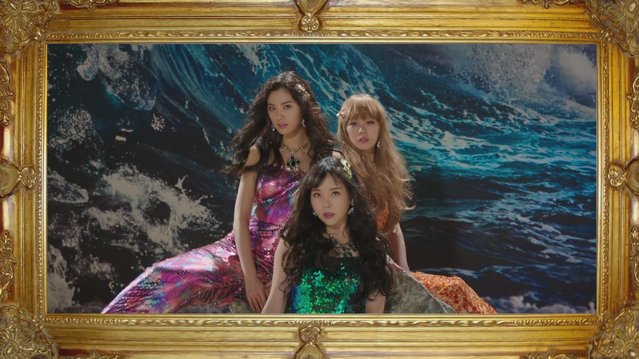
Is it worth eating live beings? This is a philosophical question: the history of our species and the ontology of being are saying that it's more likely yes, and on the other hand your mind and empathy are more likely to be against this idea. Or at least like in this Korean clip – eat, but with tears in your eyes.
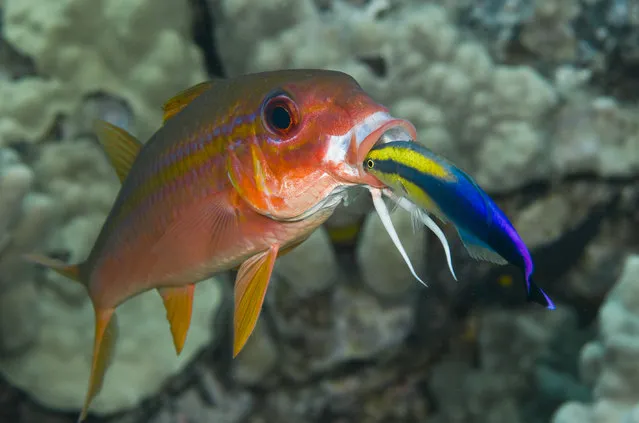
A Hawaiian cleaner wrasse provides its cleaning services to a yellowfin goatfish in a reef community off the Big Island in Hawaii. Cleaner species help rid their hosts of ectoparasites, dead tissue, bacteria and fungi. Studies have shown cleaning to play a vital role in keeping many reef ecosystems healthy. (Photo by Marty Snyderman/Caters News Agency)
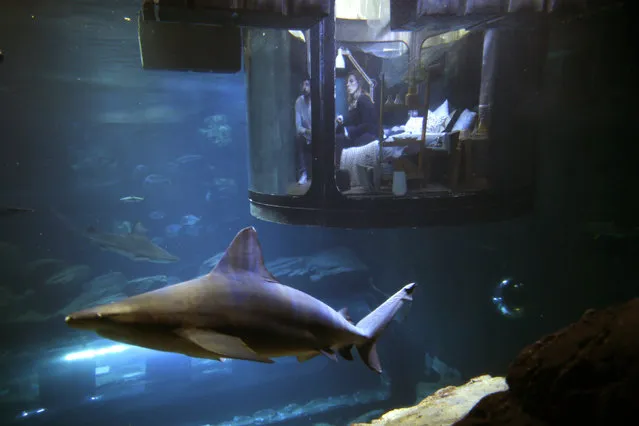
People look at sharks from an underwater room structure installed in the Aquarium of Paris, France, March 14, 2016. Airbnb and the Aquarium of Paris offer contest winners a night underwater sleeping with sharks and create a research platform for “misunderstood” shark species. (Photo by Charles Platiau/Reuters)
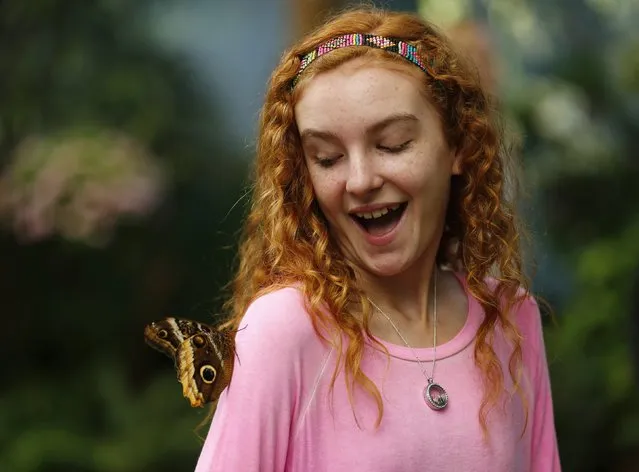
A Common Blue Morpho butterfly lands on the arm of Garbiella as it and hundreds of other butterflies from around the world fill the bird aviary for the next month at the San Diego Zoo Safari Park in San Diego, California March 13, 2015. Called the Butterfly Jungle, the exhibit has over 30 species of butterflies. (Photo by Mike Blake/Reuters)
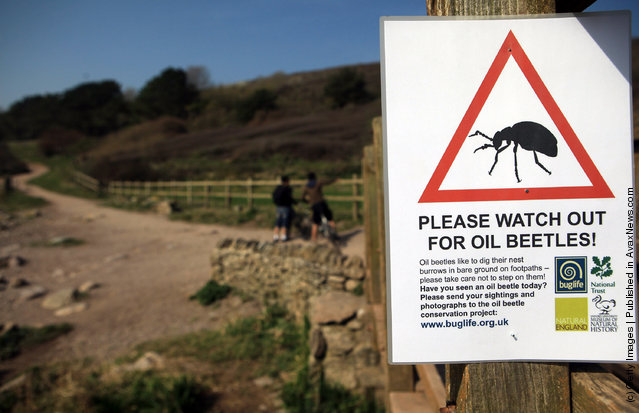
People enjoy the fine weather on the coast at Wembury during the first ever nationwide survey to map the location of the threatened and creatures on March 24, 2011 in near Plymouth, England. Often found on the coast, and particularly in the south west of England, the number of oil beetle species found in the UK has halved in the last 100 years and the survey will help establish the whereabouts of the remaining four species and boost efforts to secure their future. The survey is being launched today by Buglife: The Invertebrate Trust and the National Trust in partnership with Natural England and Oxford University Museum of Natural History. (Photo by Matt Cardy/Getty Images)
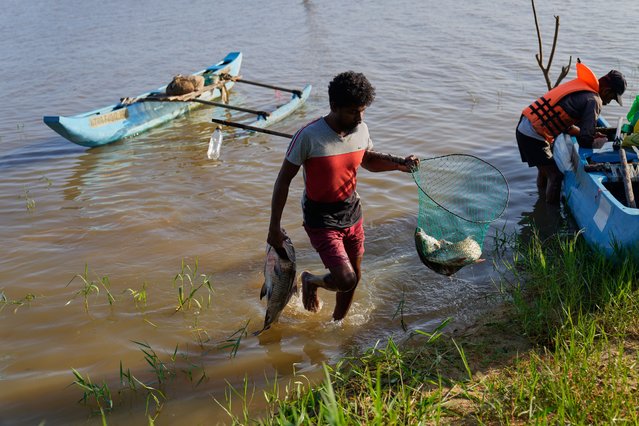
A fisherman brings his catch ashore from the Deduru Oya Reservoir, where giant snakeheads have become an invasive species in Walpaluwa village, Sri Lanka, Thursday, October 30, 2025. (Photo by Eranga Jayawardena/AP Photo)