Loading...
Done
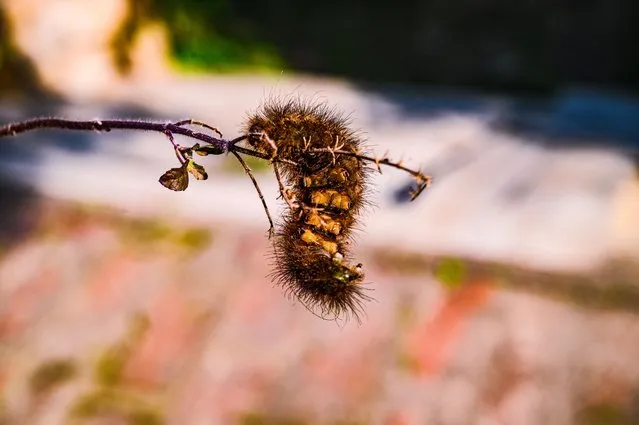
A fuzzy caterpillar on a basil plant in west Bengal, India on December 25, 2023. The caterpillar’s defence system is its hair, which has microscopic barbs that break off easily in the skin of would-be predators. (Photo by Soumyabrata Roy/NurPhoto/Rex Features/Shutterstock)

A fuzzy caterpillar on a basil plant in west Bengal, India on December 25, 2023. The caterpillar’s defence system is its hair, which has microscopic barbs that break off easily in the skin of would-be predators. (Photo by Soumyabrata Roy/NurPhoto/Rex Features/Shutterstock)
Details
09 Feb 2024 10:47:00
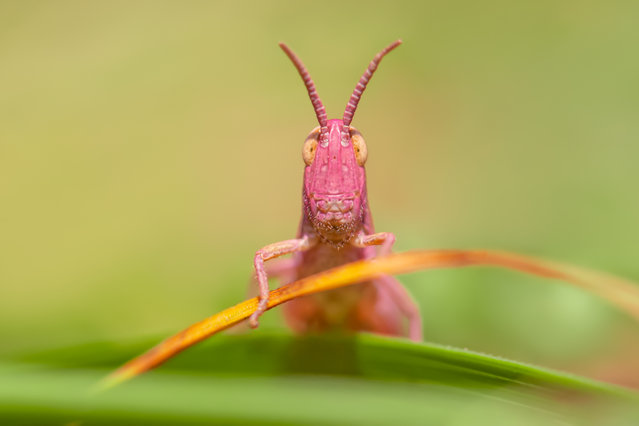
A rare grasshopper shines bright against its leafy background in North Holland, Netherlands in the first decade of October 2024. The insects are usually brown or green but turn pink due to a genetic mutation. (Photo by Roeselien Raimond/Media Drum Images)

A rare grasshopper shines bright against its leafy background in North Holland, Netherlands in the first decade of October 2024. The insects are usually brown or green but turn pink due to a genetic mutation. (Photo by Roeselien Raimond/Media Drum Images)
Details
09 Feb 2025 04:34:00
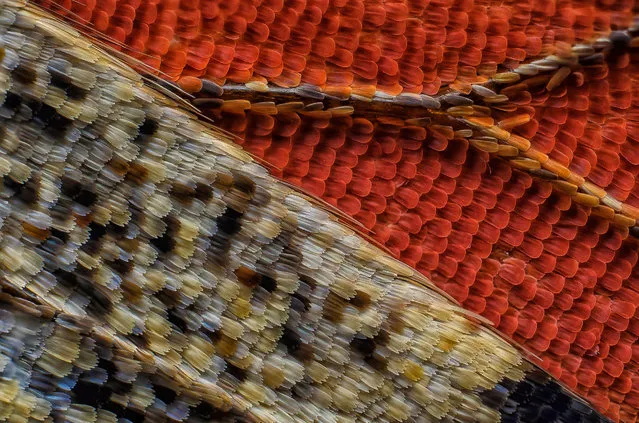
11th Place: Scales of a butterfly wing underside (Vanessa atalanta). (Photo by Francis Sneyers/Nikon's Small World 2016)

Each year Nikon Small World recognizes the excellence of photography taken under the microscope. The contest showcases the beauty and complexity of life. Anyone interested in microscopy and photography can enter the contest and in its 42nd year, Nikon Small World received 2,000 entries from 70 countries. Here: 11th Place; Scales of a butterfly wing underside (Vanessa atalanta). (Photo by Francis Sneyers/Nikon's Small World 2016)
Details
20 Oct 2016 11:19:00
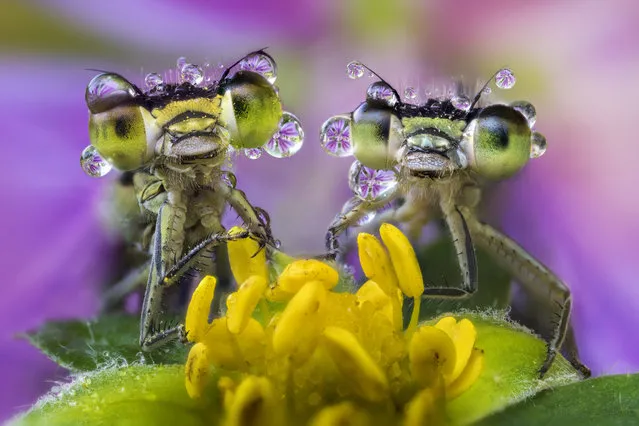
Damselflies covered in dew rest on a wild flower by the Po River, northern Italy on August 15, 2016. (Photo by Alberto Ghizzi Panizza/Barcroft Images)

Damselflies covered in dew rest on a wild flower by the Po River, northern Italy on August 15, 2016. (Photo by Alberto Ghizzi Panizza/Barcroft Images)
Details
03 Dec 2016 11:50:00
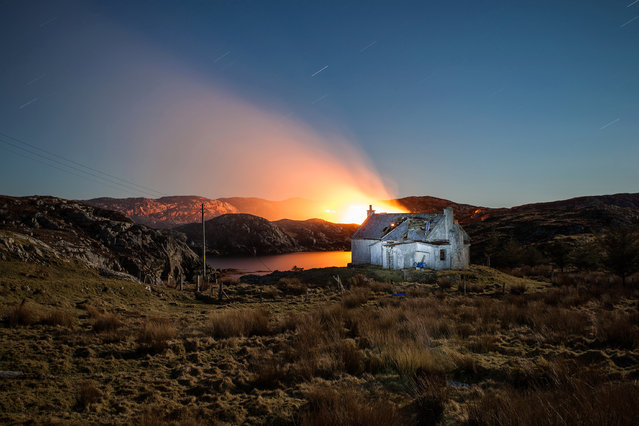
“Peat Fire”. Taken in March 2013 on the east coast of Harris. The fire is from muir-burning, when farmers burn off grasses and heather to improve grazing for their sheep. (Photo by John Maher/The Guardian)

Photographer John Maher, once the drummer with punk bank Buzzcocks, travelled to the Outer Hebrides to photograph abandoned crofters’ cottages – many of which, like this one, have seemingly been untouched since. Here: “Peat Fire”. Taken in March 2013 on the east coast of Harris. The fire is from muir-burning, when farmers burn off grasses and heather to improve grazing for their sheep. (Photo by John Maher/The Guardian)
Details
19 Aug 2016 11:39:00
A girl looks with comic disgust at a guy who falls asleep with a bottle of beer at a party; her friend laughs. (Photo by Edward Corbett/Rex Features/Shutterstock)

A girl looks with comic disgust at a guy who falls asleep with a bottle of beer at a party; her friend laughs. (Photo by Edward Corbett/Rex Features/Shutterstock)
Details
13 Jun 2024 02:40:00
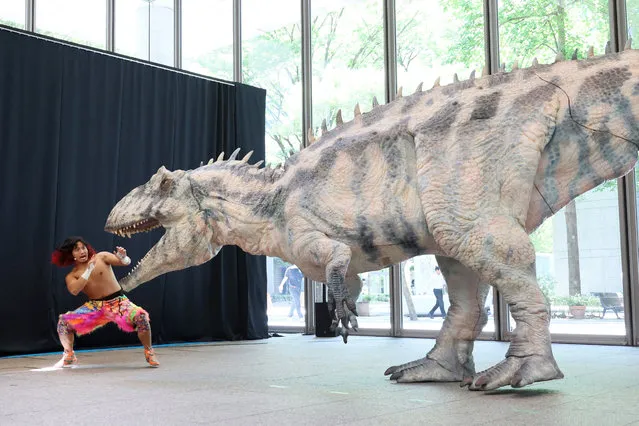
Japanese professional wrestler Hiromu Takahashi attends a promotional event of a dinosaur show “Dino Safari Gigant” in Tokyo on Wednesday, August 2, 2023. A dinosaur show using dinosaur shaped mrchanical suits will be performed in Yokohama from August 10. (Photo by Yoshio Tsunoda/AFLO/Rex Features/Shutterstock)

Japanese professional wrestler Hiromu Takahashi attends a promotional event of a dinosaur show “Dino Safari Gigant” in Tokyo on Wednesday, August 2, 2023. A dinosaur show using dinosaur shaped mrchanical suits will be performed in Yokohama from August 10. (Photo by Yoshio Tsunoda/AFLO/Rex Features/Shutterstock)
Details
08 Aug 2023 00:41:00
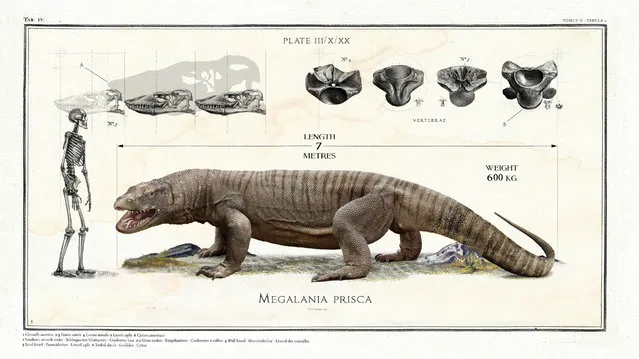
Fossil records indicate that this early lizard, Megalina prisca, was a whopping seven metres in length. (Photo by Sky TV/The Guardian)

Fossil records indicate that this early lizard, Megalania (Megalania prisca or Varanus priscus), was a whopping seven metres in length. They were part of a megafaunal assemblage that inhabited southern Australia during the Pleistocene. The youngest fossil remains date to around 50,000 years ago. The first aboriginal settlers of Australia might have encountered them and been a factor in their extinction. (Photo by Sky TV/The Guardian)
Details
12 Jun 2018 00:05:00