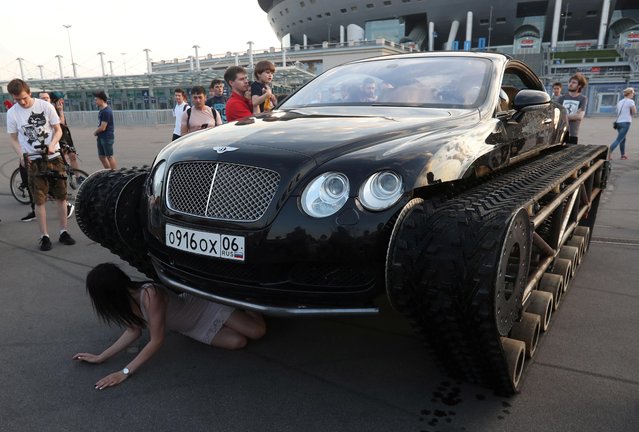
A woman poses for a picture next to a caterpillar-tracked Bentley Continental GT, which was modified by Russian car engineering enthusiasts, during a demonstration in St. Petersburg, Russia on June 7, 2019. (Photo by Anton Vaganov/Reuters)
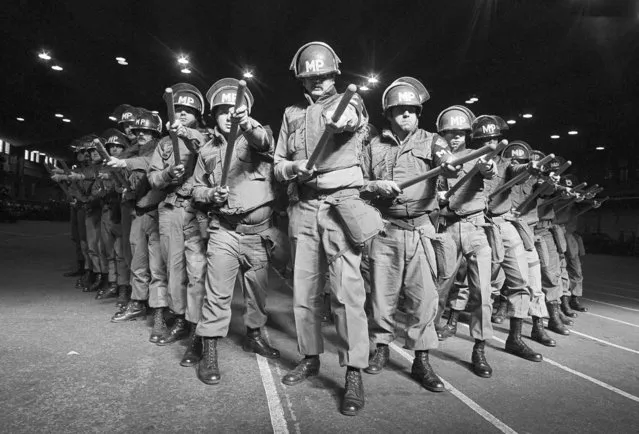
National Guardsmen are put through riot training in Boston's Commonwealth Armory on Friday, October 18, 1974. Massachusetts Gov. Francis W. Sargent called up the guard to quell school violence, but the city has been relatively calm and the guard has remained in the armories. (Photo by JWG/AP Photo)
In this November 12, 2015, file photo, Mt. Everest is seen from the way to Kalapatthar in Nepal. An American climber has died near the summit of Mount Everest and an Indian climber is missing after heading down from the mountain following a successful ascent, expedition organizers said Sunday. (Photo by Tashi Sherpa/AP Photo)
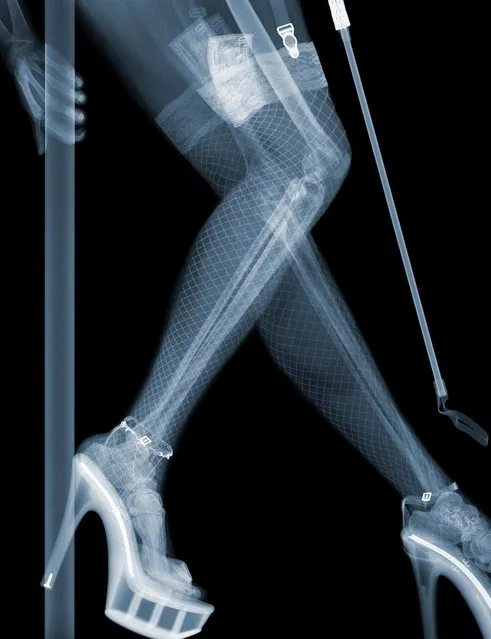
British artist Nick Veasey used an X-ray machine to show us exactly what's going on under people's clothes. The equipment took copies of items separately before they were mashed together to create characters and situations. The work is part of Veasey's latest exhibition named “X-ray Voyeurism”. In order to create the work, the 51-year-old has spent the last 20 years exposing himself to harmful radiation in his studio. Photo: “Stripper”: Has tucked her cash away safely. (Photo by Nick Veasey/Barcroft Media)
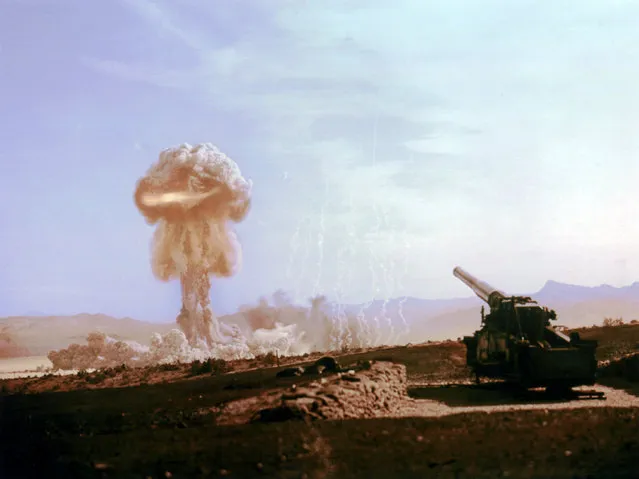
“A fter the former Soviet Union conducted its first nuclear test in August 1949, the US reevaluated its postwar defense policies. With the US monopoly on atomic weapons broken, military and political leaders chose to diversify the American stockpile by developing thermonuclear and tactical nuclear weapons. One of the more interesting concepts to come out of this period was atomic artillery, which was successfully tested at the Nevada Proving Grounds (now the Nevada Test Site) in May 1953”. – Alan Carr. Photo: Atomic Annie at work during the Upshot-Knothole test series, 1953. (Photo by Los Alamos National Laboratory/US Army)
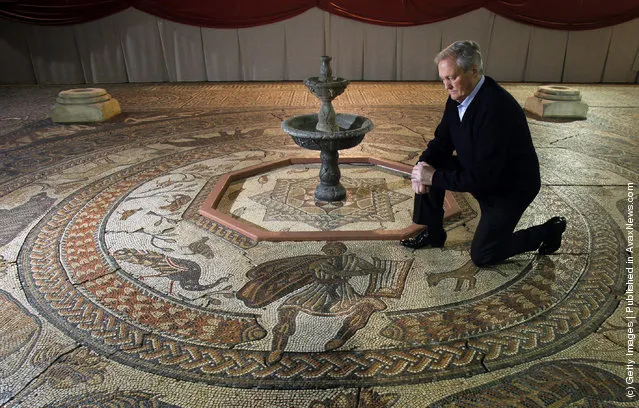
Bob Woodward looks at the reconstruction he built of the Orpheus Pavement at Prinknash Abbey on March 31, 2010 in Gloucester, England. The replica mosiac, made of more than one-and-a-half million pieces of stone is described as one of the most significant archaeological projects of recent times. (Photo by Matt Cardy/Getty Images)
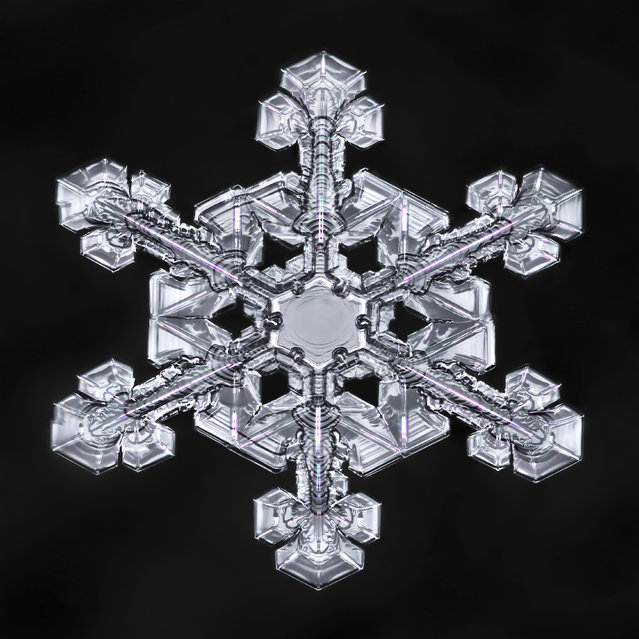
These images capture the intricate details of minuscule snowflakes, moments before they melt. The shots were taken by Don Komarechka, 31, who has had a lifelong fascination with all things macro – especially snowflakes. The professional photographer says people often don’t believe that his pictures are real because they’re so perfect. (Photo by Don Komarechka/Caters News Agency)