Loading...
Done
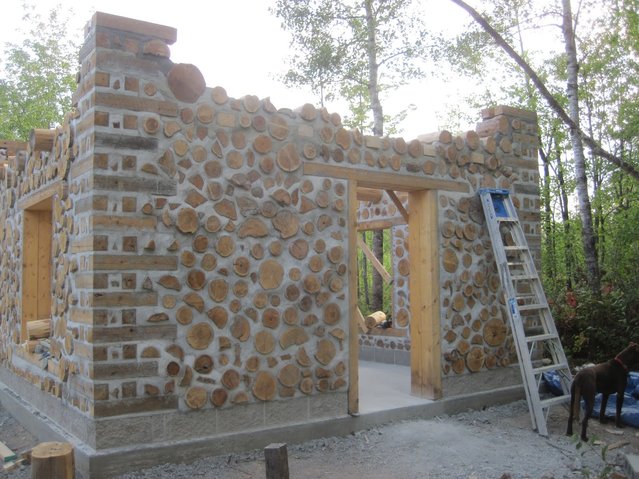
Cordwood Construction - Natural Building

Cordwood construction is a method of natural building that originated roughly one thousand years ago in Greece and Siberia. This method involves using pieces of wood that slightly protrude from the mortar, giving the walls an attractive appearance. Usually, the walls are made 12 to 24 inches thick. However, in some parts of Canada, the walls can be as thick as 36 inches. This method appeals to many people due to its ease of construction economy of resources. Cordwood Construction can be separated into two main types: mortar-insulation-mortar (M-I-M) and Throughwall. M-I-M is a more preferable and widely used choice as it allows for better insulating properties.
Details
27 Nov 2014 15:10:00
Goodfellow's Tree-Kangaroo

For some reason, everything that comes from Australia is either very cute or very poisonous; sometimes cute and poisonous at the same time. For example, Slow Loris, which you probably have seen eating a ball of rice on YouTube, is actually a very poisonous creature, despite its extreme cuteness. Goodfellow’s tree-kangaroos, on the other hand, are all cuteness and no poison. Just look at its cute little snout and furry paws, as it gingerly scratches its stomach, while sitting on its hind legs! If you don’t find this creature adorable, nothing will be able to thaw your stone-cold heart.
Details
30 Nov 2014 13:38:00


Photos by Daniel Korjonov
Details
30 May 2012 03:43:00
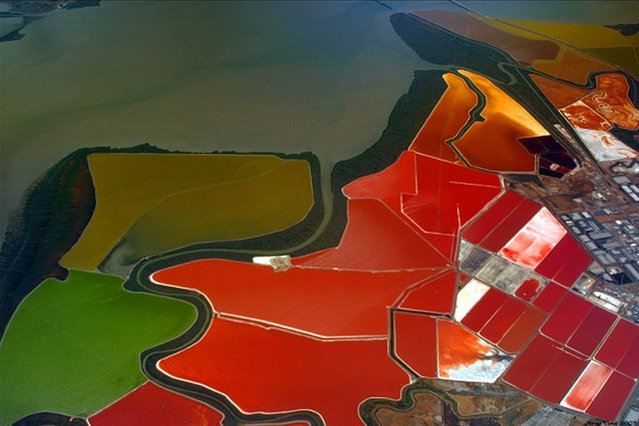
Salt ponds in San Francisco Bay

Salt evaporation ponds, also called salterns or salt pans, are shallow artificial ponds designed to produce salts from sea water or other brines. The seawater or brine is fed into large ponds and water is drawn out through natural evaporation which allows the salt to be subsequently harvested. The ponds also provide a productive resting and feeding ground for many species of waterbirds, which may include endangered species. The ponds are commonly separated by levees.
Details
11 Oct 2012 12:49:00
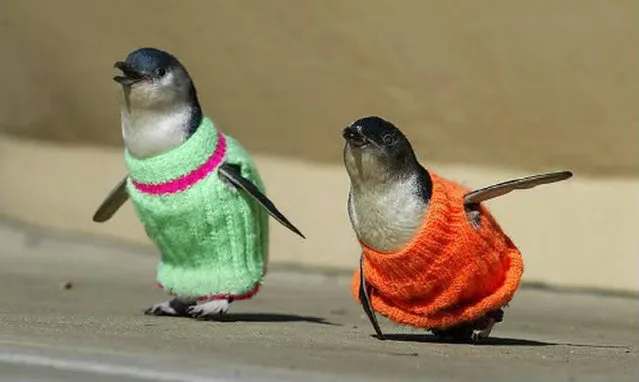
New Zealand Penguins in Need of Sweaters

Penguin sweaters, also known as penguin jumpers, are sweaters which are knitted for penguins that have been caught in oil slicks. When an oil spill affects penguins, they are dressed in knitted sweaters to stop them preening their feathers and to keep them warm, since the spilled oil destroys their natural oils. This also prevents them from poisoning themselves by ingesting the oil. The sweaters are removed and discarded as soon as the penguins can be washed. The original project has been completed, but the knitting pattern is still available on-line, as subsequent oil spills make it necessary. The extra sweaters are kept on behalf of the Wildlife Rescue Team.
Details
31 Oct 2012 13:06:00
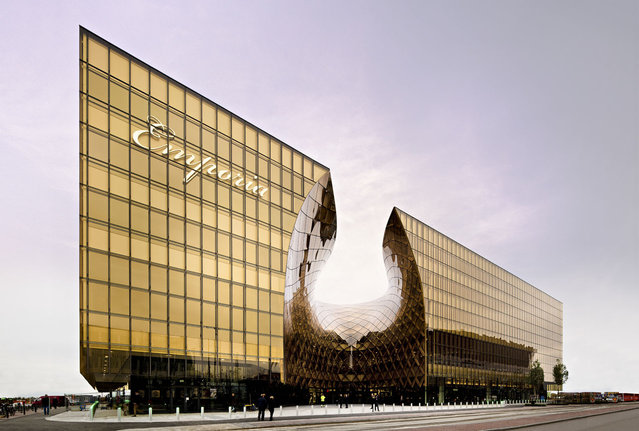
Emporia Shopping Centre In Malmo By Wingardhs

Modern architecture is nothing short of a miracle. For example, the mind-boggling skyscrapers of Dubai would dumbfound anyone who is lucky enough to witness them in real life. Nevertheless, there are some modern buildings that are not as grand as the Burj Khalifa or Princess Tower, but are still wondrous to look at. Emporia Shopping Centre, located in Malmo, Sweden, is one of those places. The architect who designed this building is named Gert Wingardh. Emporia Shopping Centre was built to look as if its center was melted through by an inferno, leaving behind a giant molten block of gold.
Details
27 Jan 2015 11:23:00
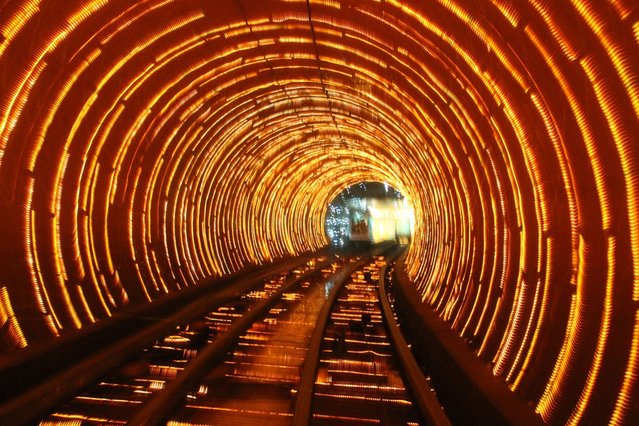
The Bund Sightseeing Tunnel In Shanghai

The Bund Sightseeing Tunnel is not an adventure for the light hearted. The trippy visuals and sound effects are rather bizarre and creepy. They look like something out of a nightmare or a psychedelic trip. Maybe the creators of this project did experiment with some illicit drugs to gain inspiration for this project. Moreover, it is more likely than not that some people tried going to this tourist attraction after “preparing” themselves beforehand. This trippy tunnel stretches from Pudong to Puxi in Shanghai, China, and is rated as one of the top five tourist attractions. We recommend visiting this place; just don’t take your kids along for the ride, since it might prove to be too scary for them.
Details
06 Feb 2015 12:27:00
Redhead Day Dutch Summer Festival

Redhead Day (Roodharigendag in Dutch) is the name of a Dutch summer festival that takes place each first weekend of September in the city of Breda, in the Netherlands. The two-day festival is a gathering of people with natural red hair, but is also focused on art related to the colour red. Activities during the festival are lectures, workshops and demonstrations which are aimed specifically at red-haired people. The festival attracts attendance from 50 countries and is free due to sponsorship of the local government.
Details
16 Jul 2014 12:58:00