Loading...
Done
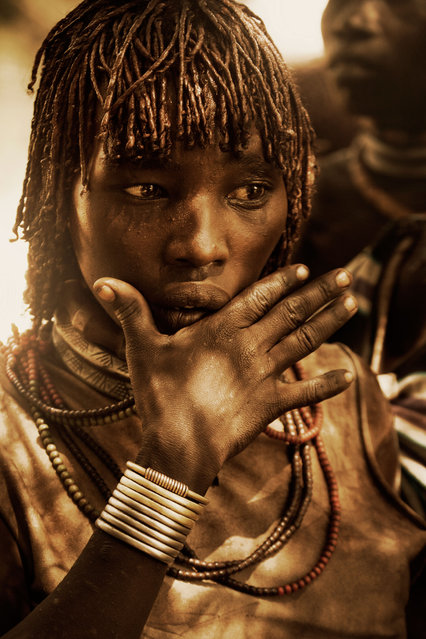
The Hamar people traditionally use red ocher clay to braid the hair of their women. (Photo by Diego Arroyo)

During his time in Ethiopia, New York-based art director and photographer Diego Arroyo spent time with the Hamar, Mursi, Dassanech, and Arbore Tribes. They, along with several others tribes, make up the 200,000 people situated in Africa’s Great Rift Valley. The people of the Omo Valley are still primarily herders and farmers, living an isolated and simple life. While they have yet to be truly touched by globalization, they could soon disappear. Their way of life is being threatened by a massive hydroelectric dam. (Photo by Diego Arroyo)
Details
13 Aug 2014 10:00:00
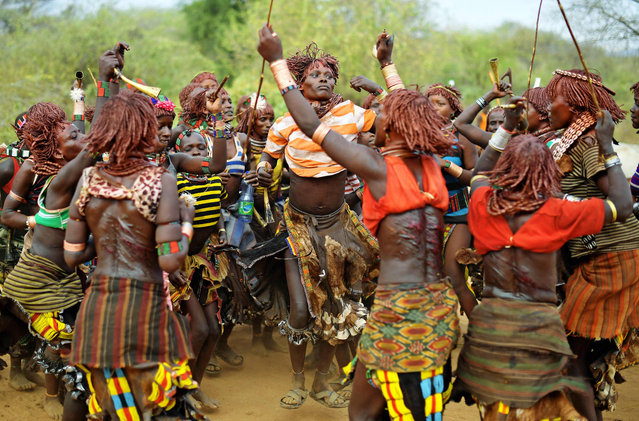
Hamar women dance before a bull jumping ceremony in Ethiopia's southern Omo Valley region near Turmi on September 19, 2016. The Hamar are a Nilotic ethnic group in Ethiopia. The construction of the Gibe III dam, the third largest hydroelectric plant in Africa, and large areas of very “thirsty” cotton and sugar plantations and factories along the Omo river are impacting heavily on the lives of tribes living in the Omo Valley who depend on the river for their survival and way of life. Human rights groups fear for the future of the tribes if they are forced to scatter, give up traditional ways through loss of land or ability to keep cattle as globalisation and development increases. (Photo by Carl De Souza/AFP Photo)

Hamar women dance before a bull jumping ceremony in Ethiopia's southern Omo Valley region near Turmi on September 19, 2016. The Hamar are a Nilotic ethnic group in Ethiopia. The construction of the Gibe III dam, the third largest hydroelectric plant in Africa, and large areas of very “thirsty” cotton and sugar plantations and factories along the Omo river are impacting heavily on the lives of tribes living in the Omo Valley who depend on the river for their survival and way of life. (Photo by Carl De Souza/AFP Photo)
Details
02 Oct 2016 08:45:00
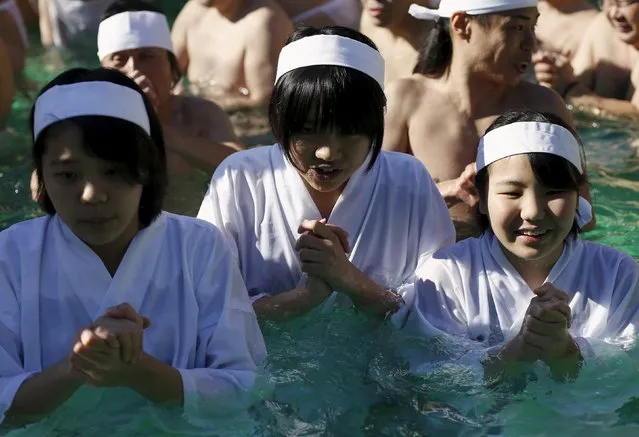
Women wearing "Shiroshozoku" or the traditional white robe pray as they bathe in ice-cold water at the Teppozu Inari shrine in Tokyo, Japan, January 10, 2016. (Photo by Yuya Shino/Reuters)

Women wearing "Shiroshozoku" or the traditional white robe pray as they bathe in ice-cold water at the Teppozu Inari shrine in Tokyo, Japan, January 10, 2016. About 100 participants took part in the Shinto ceremony to purify their souls and wish for good health in the new year. (Photo by Yuya Shino/Reuters)
Details
12 Jan 2016 08:04:00
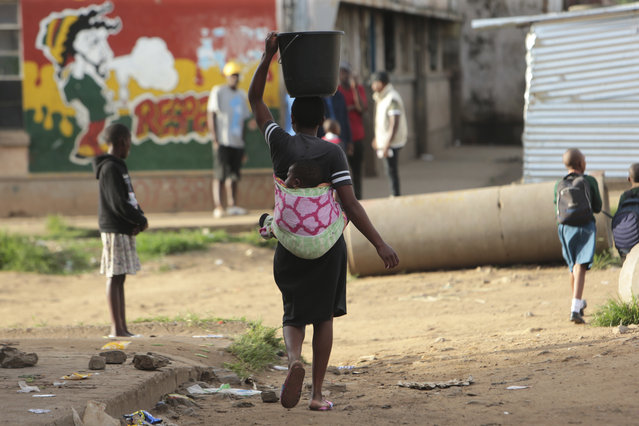
In this Monday, April 6, 2020 photo, a woman carries a her baby and a bucket of water in Harare. Lockdowns imposed to curb the coronavirus’ spread have put millions of women in Africa, Asia and elsewhere out of reach of birth control and other sexual and reproductive health needs. Confined to their homes with husbands and others, they face unwanted pregnancies and little idea of when they can reach the outside world again. (Photo by Tsvangirayi Mukwazhi/AP Photo)

In this Monday, April 6, 2020 photo, a woman carries a her baby and a bucket of water in Harare. Lockdowns imposed to curb the coronavirus’ spread have put millions of women in Africa, Asia and elsewhere out of reach of birth control and other sexual and reproductive health needs. Confined to their homes with husbands and others, they face unwanted pregnancies and little idea of when they can reach the outside world again. (Photo by Tsvangirayi Mukwazhi/AP Photo)
Details
30 May 2020 00:01:00
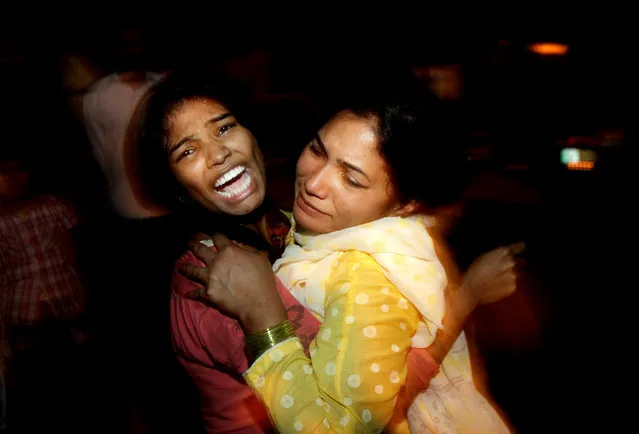
Women comfort each other as they mourn over the death of a family member who was killed in a bomb blast, at a local hospital in Lahore, Pakistan, Sunday, March, 27, 2016. (Photo by K.M. Chuadary/AP Photo)

Women comfort each other as they mourn over the death of a family member who was killed in a bomb blast, at a local hospital in Lahore, Pakistan, Sunday, March, 27, 2016. A bomb blast in a park in the eastern Pakistani city of Lahore has killed tens of people and wounded scores, a health official said. (Photo by K.M. Chuadary/AP Photo)
Details
28 Mar 2016 10:12:00
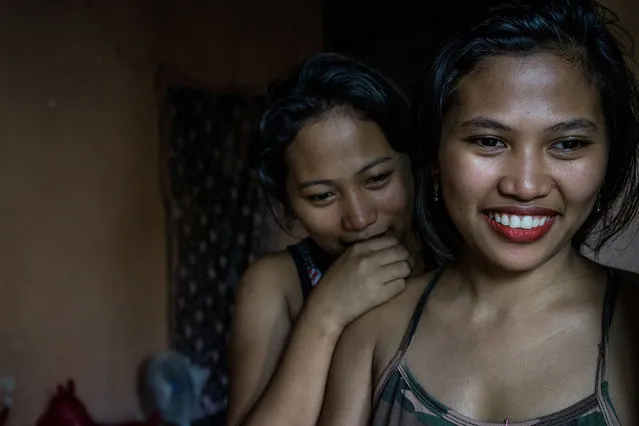
Gemma, right, and Joanne in their home in Angeles City. (Photo by Hannah Reyes Morales/The Washington Post)

Typhoon Yolanda – also known as Haiyan – struck the central part of the country November 8, 2013, leaving at least 6,300 people dead and over four million displaced. A month after Typhoon Haiyan, the United Nations Population Fund estimates that 5,000 women were subjected to sеxual violence. A study by the Health and Human Rights online publication shows the majority of young girls and women in Manila’s sеx industry come from poverty-stricken areas – such as Leyte, Samar, Cebu and southern Mindanao – and enter trafficking through force, deception, economic desperation and psychological manipulation. (Photo by Hannah Reyes Morales/The Washington Post)
Details
01 May 2017 09:59:00
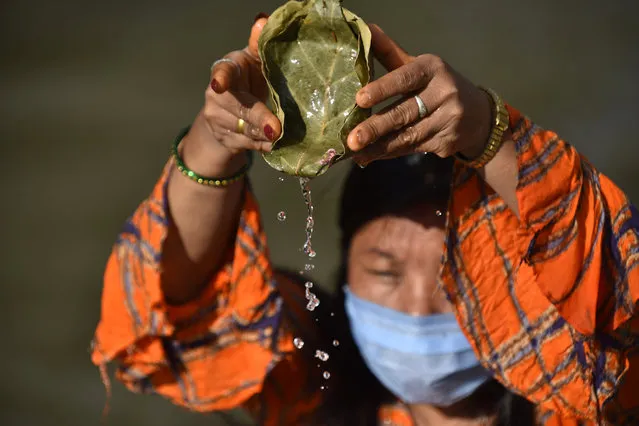
A Nepalese devotee offers ritual prayer at the Bank of Bagmati River of Pashupatinath Temple during Rishi Panchami Festival celebrations at Kathmandu, Nepal on Sunday, August 23, 2020. Rishi Panchami festival is  celebrated as the last day of three-day long Teej Festival. The Teej festival is celebrated by Hindu women in Nepal as well as in some parts of India. During the three-day long festival, women observe a day-long fast and pray for the long life of their husbands as well as for a happy family. Those who are unmarried pray for a good husband and a long life. Due to prohibitory order lockdown in Kathmandu valley for a week-long, as rapid increase in the number of COVID-19 cases. (Photo by Narayan Maharjan/NurPhoto via Getty Images)

A Nepalese devotee offers ritual prayer at the Bank of Bagmati River of Pashupatinath Temple during Rishi Panchami Festival celebrations at Kathmandu, Nepal on Sunday, August 23, 2020. Rishi Panchami festival is celebrated as the last day of three-day long Teej Festival. The Teej festival is celebrated by Hindu women in Nepal as well as in some parts of India. (Photo by Narayan Maharjan/NurPhoto via Getty Images)
Details
20 Sep 2020 00:01:00
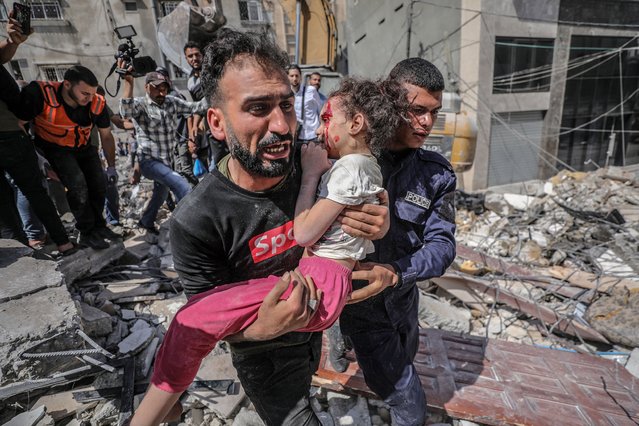
A Palestinian father evacuates his wounded daughter from the rubble of a destroyed house after an Israeli air strike in Gaza City, 16 May 2021. A total of 174 people have been killed in Israeli raids on Gaza, including 47 children and 29 women, the Palestinian Ministry of Health said on Sunday. In response violent confrontations between Israeli security forces and Palestinians in Jerusalem, various Palestinian militant factions in Gaza launched rocket attacks on Israel since 10 May, resulting in retaliatory strikes by Israel on Gaza. (Photo by Haitham Imad/EPA/EFE)

A Palestinian father evacuates his wounded daughter from the rubble of a destroyed house after an Israeli air strike in Gaza City, 16 May 2021. A total of 174 people have been killed in Israeli raids on Gaza, including 47 children and 29 women, the Palestinian Ministry of Health said on Sunday. In response violent confrontations between Israeli security forces and Palestinians in Jerusalem, various Palestinian militant factions in Gaza launched rocket attacks on Israel since 10 May, resulting in retaliatory strikes by Israel on Gaza. (Photo by Haitham Imad/EPA/EFE)
Details
17 May 2021 07:52:00