Loading...
Done
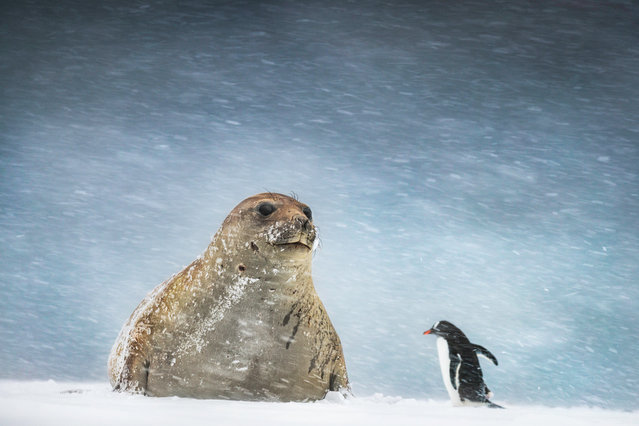
This photo of an elephant seal and Gentoo penguin shot by Andrew James in Yankee Harbour, Antarctica. (Photo by Andrew James/Travel Photographer of the Year)

This photo of an elephant seal and Gentoo penguin shot by Andrew James in Yankee Harbour, Antarctica. (Photo by Andrew James/Travel Photographer of the Year)
Details
12 Apr 2019 00:05:00
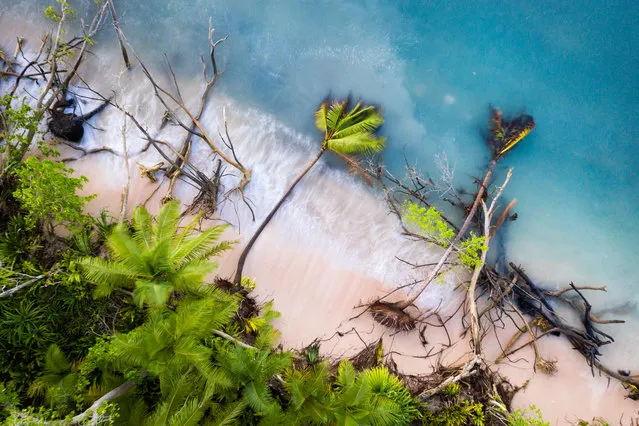
Tuvalu Beneath the Rising Tide by Sean Gallagher, Tuvalu. Changing environments prize: Fallen trees lie on a beach as the waves from the Funafuti lagoon in Tuvalu lap around them. Land erosion has always been a problem for the South Pacific country but problems are intensifying as sea levels rise. Rising seas are on the verge of completely submerging the tiny archipelago’s islands. (Photo by Sean Gallagher/CIWEM Environmental Photographer of the Year 2019)

Tuvalu Beneath the Rising Tide by Sean Gallagher, Tuvalu. Changing environments prize: Fallen trees lie on a beach as the waves from the Funafuti lagoon in Tuvalu lap around them. Land erosion has always been a problem for the South Pacific country but problems are intensifying as sea levels rise. Rising seas are on the verge of completely submerging the tiny archipelago’s islands. (Photo by Sean Gallagher/CIWEM Environmental Photographer of the Year 2019)
Details
26 Sep 2019 00:03:00
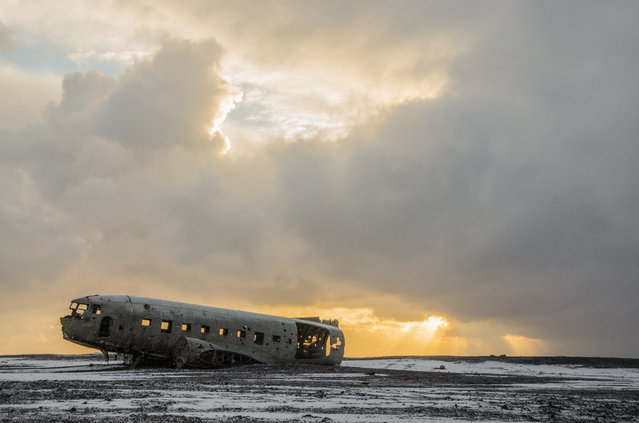
Shortlisted: Sólheimasandur aircraft crash site, Iceland by Ollie Conway. (Photo by Ollie Conway/Historic Photographer of the Year Awards 2019/The Guardian)

Shortlisted: Sólheimasandur aircraft crash site, Iceland by Ollie Conway. (Photo by Ollie Conway/Historic Photographer of the Year Awards 2019/The Guardian)
Details
27 Nov 2019 00:01:00
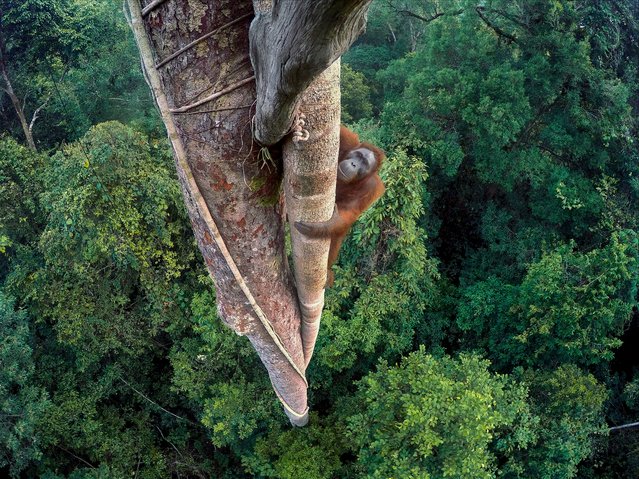
“Entwined Lives”. Tim Laman, US Winner, Wildlife photographer of the year. A young male orangutan makes the 30-metre climb up the thickest root of the strangler fig high above the canopy in Gunung Palung national park, one of the few protected orangutan strongholds in Indonesian Borneo. Laman had to do three days of climbing to position several GoPro cameras that he could trigger remotely. This shot was the one he had long visualised, looking down on the orangutan within its forest home. (Photo by Tim Laman/2016 Wildlife Photographer of the Year)

“Entwined Lives”. Tim Laman, US Winner, Wildlife photographer of the year. A young male orangutan makes the 30-metre climb up the thickest root of the strangler fig high above the canopy in Gunung Palung national park, one of the few protected orangutan strongholds in Indonesian Borneo. Laman had to do three days of climbing to position several GoPro cameras that he could trigger remotely. This shot was the one he had long visualised, looking down on the orangutan within its forest home. (Photo by Tim Laman/2016 Wildlife Photographer of the Year)
Details
19 Oct 2016 12:08:00
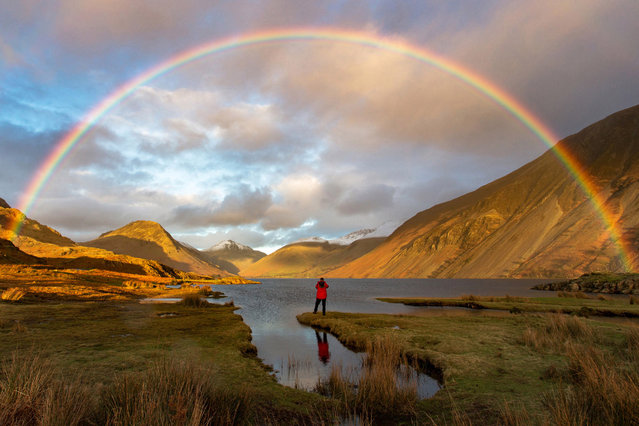
A selection of prizewinning images from the Take a View 2016 photography awards. Here: Finding Gold, taken in Wast Water in Cumbria, which won the Great Britain #OMGB “Home of Amazing Moments” award. (Photo by Mark Gilligan/PA Wire)

A selection of prizewinning images from the Take a View 2016 photography awards. Here: Finding Gold, taken in Wast Water in Cumbria, which won the Great Britain #OMGB “Home of Amazing Moments” award. (Photo by Mark Gilligan/PA Wire)
Details
24 Oct 2016 12:52:00
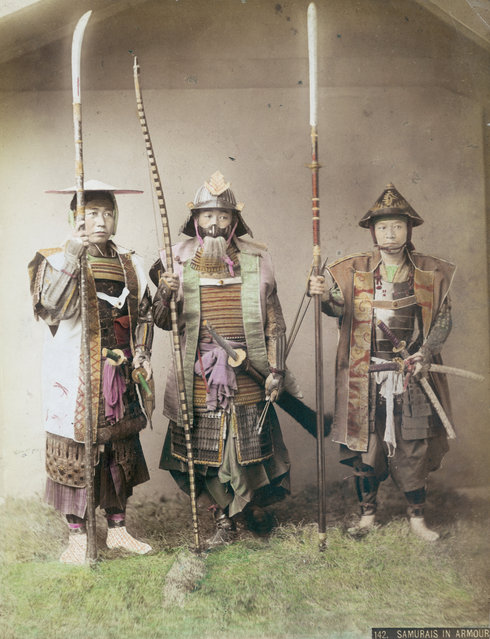
Three samurai warriors in armour, circa 1880. (Photo by Kusakabe Kimbei)

Three samurai warriors in armour, circa 1880. (Photo by Kusakabe Kimbei). P.S. All pictures are presented in high resolution.
Details
29 Aug 2012 10:55:00


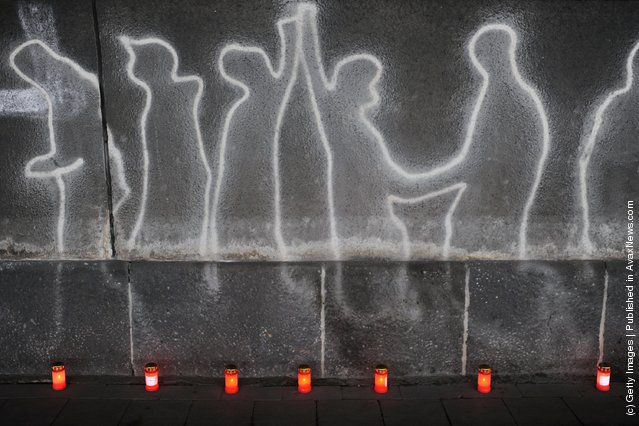
“On 24 July 2010, a stampede at the 2010 Love Parade electronic dance music festival in Duisburg, North Rhine-Westphalia, Germany, caused the death of 21 people. At least 510 more were injured”. – Wikipedia

Photo: Wall art and candles are pictured in the tunnel of the 2010 Loveparade disaster near to where many of the deaths occurred on the first anniversary of the tragedy on July 24, 2011 in Duisburg, Germany. (Photo by Thomas Starke/Getty Images)
Details
25 Jul 2011 11:49:00
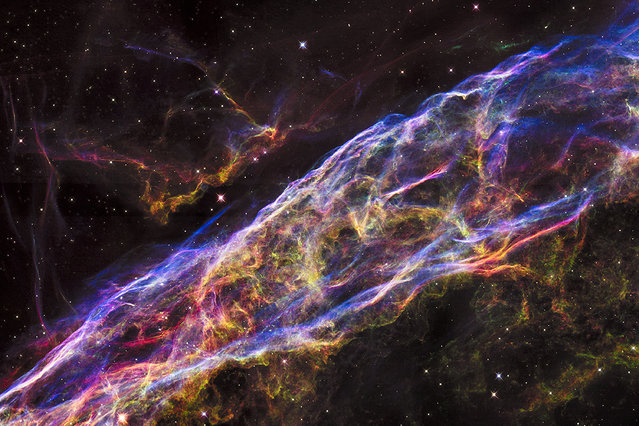
A small section of the expanding remains of the Veil Nebula, a massive star that exploded about 8,000 years ago. The entire nebula is 110 light-years across, covering six full moons on the sky as seen from Earth, and resides about 2,100 light-years away in the constellation Cygnus, the Swan. Image taken by NASA's Hubble Space Telescope. Released September 24, 2015. (Photo by Reuters/NASA/ESA/Hubble Heritage Team)

A small section of the expanding remains of the Veil Nebula, a massive star that exploded about 8,000 years ago. The entire nebula is 110 light-years across, covering six full moons on the sky as seen from Earth, and resides about 2,100 light-years away in the constellation Cygnus, the Swan. Image taken by NASA's Hubble Space Telescope. Released September 24, 2015. (Photo by Reuters/NASA/ESA/Hubble Heritage Team)
Details
10 Dec 2015 08:01:00