Loading...
Done
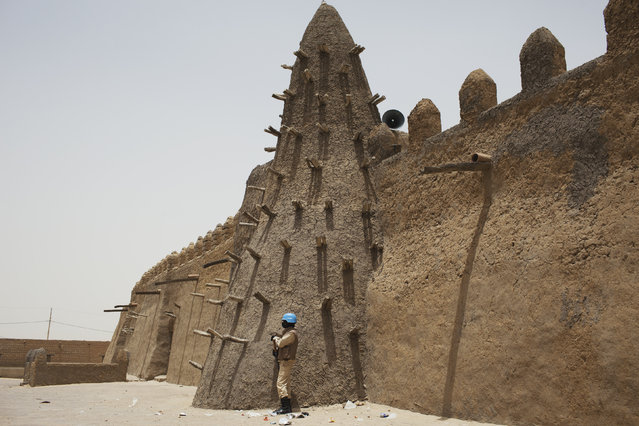
Timbuktu: A UN peacekeeper from Burkina Faso stands guard at the Djinguereber mosque, built in the 14th century, during a visit by a UN delegation on election day in Timbuktu, Mali, July 28, 2013. (Photo by Joe Penney/Reuters)

Timbuktu: A UN peacekeeper from Burkina Faso stands guard at the Djinguereber mosque, built in the 14th century, during a visit by a UN delegation on election day in Timbuktu, Mali, July 28, 2013. (Photo by Joe Penney/Reuters)
Details
08 Jul 2015 12:33:00
A motorcyclist ferries a pillion rider sitting on goods in Phnom Penh on June 6, 2017. (Photo by Tang Chhin Sothy/AFP Photo)

A motorcyclist ferries a pillion rider sitting on goods in Phnom Penh on June 6, 2017. (Photo by Tang Chhin Sothy/AFP Photo)
Details
07 Jun 2017 07:42:00
Kawakanih Yawalapiti, 9, Upper Xingu region of Mato Grosso, Brazil, 2018: Kawakanih lives with her tribe, the Yawalapiti, in Xingu national park, a preserve in the Amazon basin of Brazil. The Yawalapiti collect seeds to preserve species unique to their ecosystem, which lies between the rain forest and savannah. Kawakanih’s diet is simple, consisting mainly of fish, cassava, porridge, fruit and nuts. “It takes five minutes to catch dinner”, says Kawakanih. “When you’re hungry, you just go to the river with your net”. (Photo by Gregg Segal/The Guardian)

Photographer Gregg Segal travelled the world to document children and the food they eat in a week. Partly inspired by the increasing problems of childhood obesity, he tracked traditional regional diets as yet unaffected by globalisation, and ironically, found that the healthiest diets were often eaten by the least well off. (Photo by Gregg Segal/The Guardian)
Details
03 Jul 2019 00:03:00
A group of PETA supporters protest Canada Goose's use of coyote fur, with “Canada Goose Kills” painted on their backs in New York, USA on October 18, 2018. (Photo by Erik Pendzich/Rex Features/Shutterstock)

A group of PETA supporters protest Canada Goose's use of coyote fur, with “Canada Goose Kills” painted on their backs in New York, USA on October 18, 2018. (Photo by Erik Pendzich/Rex Features/Shutterstock)
Details
14 Nov 2018 00:01:00
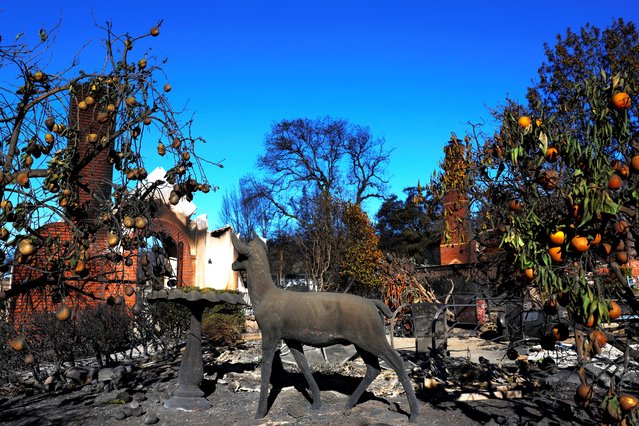
A charred deer figure stands in the ruins of a devastated home, as the Eaton Fire continues, in Altadena, California, on January 14, 2025. (Photo by Shannon Stapleton/Reuters)

A charred deer figure stands in the ruins of a devastated home, as the Eaton Fire continues, in Altadena, California, on January 14, 2025. (Photo by Shannon Stapleton/Reuters)
Details
25 Jan 2025 02:19:00
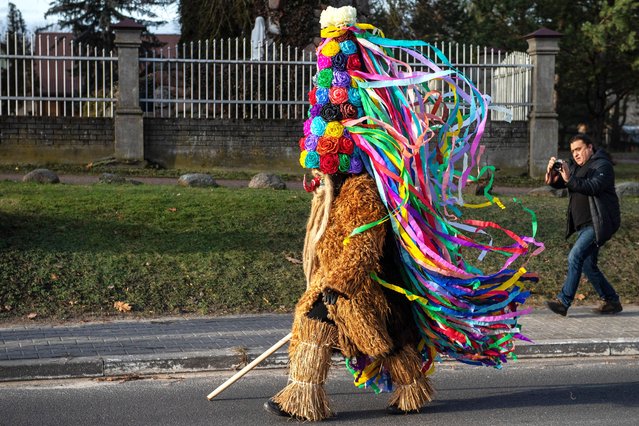
Participants take part in the so-called “Bearded Men” parade in the streets of Slawatycze village, eastern Poland, 29 December 2023. “Bearded Men” is an old local tradition, passed from generation to generation. In last three days of December, costumed citizens of Slawatycze say goodbye to the old year and make wishes for the New Year. (Photo by Wojtek Jargilo/EPA/EFE)

Participants take part in the so-called “Bearded Men” parade in the streets of Slawatycze village, eastern Poland, 29 December 2023. “Bearded Men” is an old local tradition, passed from generation to generation. In last three days of December, costumed citizens of Slawatycze say goodbye to the old year and make wishes for the New Year. (Photo by Wojtek Jargilo/EPA/EFE)
Details
20 Feb 2025 04:12:00


NEW YORK - SEPTEMBER 19: Aisha Tyler attends Worldwide Launch of 'Gears of War 3' for Xbox 360 at Best Buy Theater on September 19, 2011 in New York City. (Photo by Jemal Countess/Getty Images for Xbox)
Details
14 Nov 2011 08:10:00


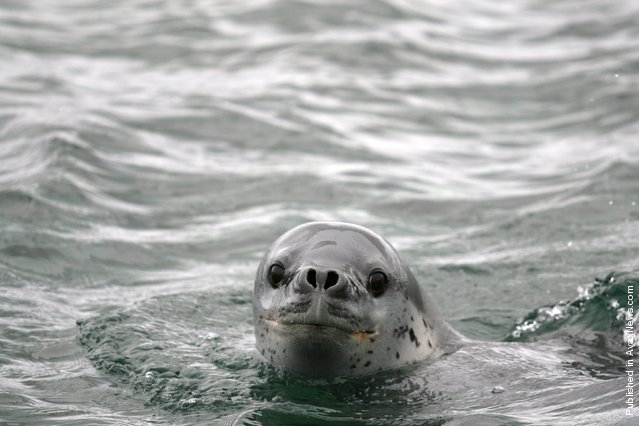
“The leopard seal (Hydrurga leptonyx), also referred to as the sea leopard, is the second largest species of seal in the Antarctic (after the southern elephant seal). It is most common in the southern hemisphere along the coast of Antarctica and on most sub-Antarctic islands, but can also be found on the coasts of southern Australia, Tasmania, South Africa, New Zealand, Lord Howe Island, Tierra del Fuego, the Cook Islands, and the Atlantic coast of South America. It can live twenty-six years, possibly more. Orcas and large sharks are the only natural predators of leopard seals”. – Wikipedia

Photo by: Gilad Rom; Source: Flickr
Details
13 Nov 2011 11:24:00