Loading...
Done
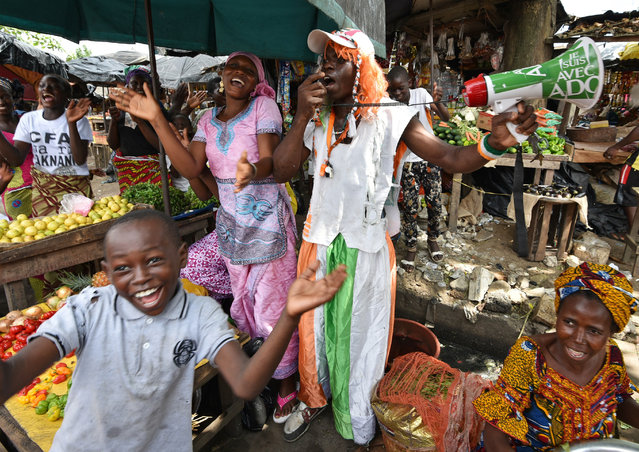
4: Abidjan, Ivory Coast. Latest ranking: 128; Ranking five years ago: 131; Five-year index movement: 3.8%. Here: A supporter of Ivory Coast president Alassane Ouattara campaigns in a market in the city’s Koumassi quarter. (Photo by Sia Kambou/AFP Photo)

A period of relative stability has put the Iranian capital No1 on the list of world cities that have achieved biggest improvements in liveability over the past five years, as calculated by the Economist Intelligence Unit. The “most improved” top 10 contains some unexpected names. So, eg, the fourth place: Abidjan, Ivory Coast. Latest ranking: 128; Ranking five years ago: 131; Five-year index movement: 3.8%. Here: A supporter of Ivory Coast president Alassane Ouattara campaigns in a market in the city’s Koumassi quarter. (Photo by Sia Kambou/AFP Photo)
Details
19 Aug 2016 11:55:00
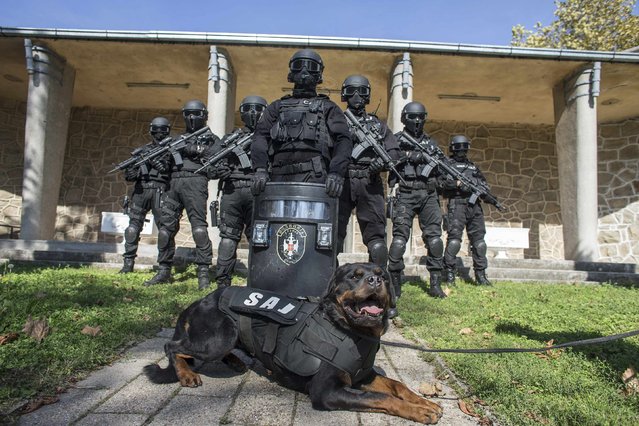
Serbian police officers of the Special Anti-Terrorist Unit pose for a picture in their base outside Belgrade October 8, 2014. (Photo by Marko Djurica/Reuters)

Serbian police officers of the Special Anti-Terrorist Unit pose for a picture in their base outside Belgrade October 8, 2014. When the killing of an unarmed black teenager by a white policeman in Ferguson, Missouri, in August sparked sometimes violent protests, the response of police in camouflage gear and armoured vehicles wielding stun grenades and assault rifles seemed more like a combat operation than a public order measure. Some U.S. police departments have recently acquired U.S. military-surplus hardware from wars abroad, but there are many law enforcers around the world whose rules of engagement also allow the use of lethal force with relatively few restrictions. But for every regulation that gives police wide scope to use firearms, there is another code that sharply limits their use. In Serbia, police may use measures ranging from batons to special vehicles, water cannon and tear gas on groups of people who have gathered illegally and are behaving in a way that is violent or could cause violence, but they may use firearms only when life is endangered. (Photo by Marko Djurica/Reuters)
Details
27 Nov 2014 14:53:00
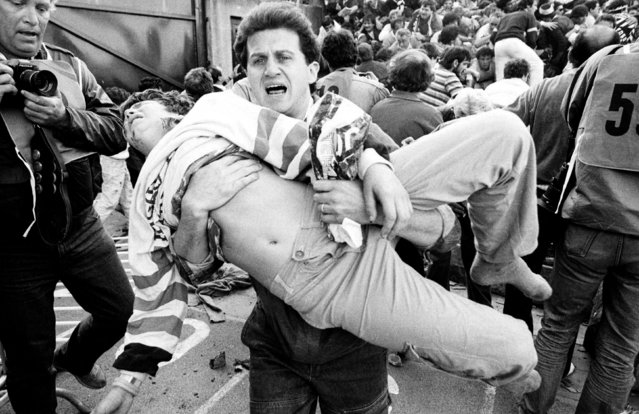
An injured soccer fan is carried to safety by a friend after a wall collapsed during violence between fans before the European Cup final between Juventus and Liverpool at the Heysel stadium in Brussels, May 29, 1985. 39 people died, and a further 600 were injured. (Photo by Nick Didlick/Reuters)

Reuters multi-award winning photographers are celebrated here in a three part retrospective on the 30th anniversary of the service's launch. They have captured dramatic images illustrating the human tragedy of natural disaster and war as well as the fallout of economic events across the continents, creating iconic images, recognised around the world. Here: an injured soccer fan is carried to safety by a friend after a wall collapsed during violence between fans before the European Cup final between Juventus and Liverpool at the Heysel stadium in Brussels, May 29, 1985. 39 people died, and a further 600 were injured. (Photo by Nick Didlick/Reuters)
Details
15 Feb 2015 13:43:00
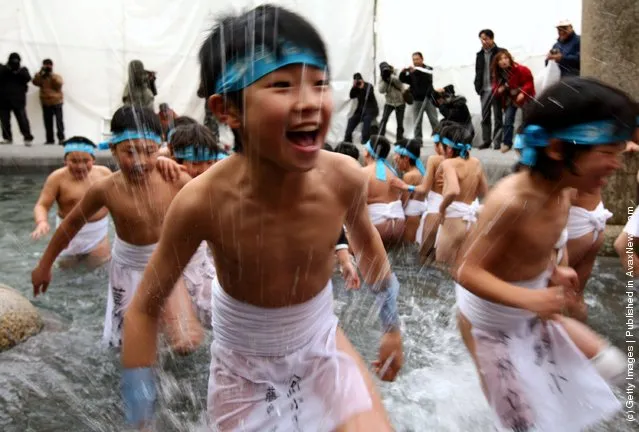
Japanese children wear loincloths as they splash about in freezing cold water during Saidaiji Naked Festival, at Saidaiji Temple

“A Hadaka Matsuri (“Naked Festival”) is a type of Japanese festival, or matsuri, in which participants wear a minimum amount of clothing; usually just a Japanese loincloth (called fundoshi), sometimes with a short happi coat, and rarely completely naked. Whatever the clothing, it is considered to be above vulgar, or everyday, undergarments, and on the level of holy Japanese shrine attire. Naked festivals are held in dozens of places throughout Japan every year, usually in the summer or winter. The most famous festival is held in Okayama, where the festival originated. Every year, over 9,000 men participate in this festival”. – Wikipedia

Photo: Japanese men wear loincloths as they splash about in freezing cold water during Saidaiji Naked Festival, at Saidaiji Temple on February 18, 2012 in Okayama, Japan. (Photo by Buddhika Weerasinghe/Getty Images)
Details
19 Feb 2012 12:18:00
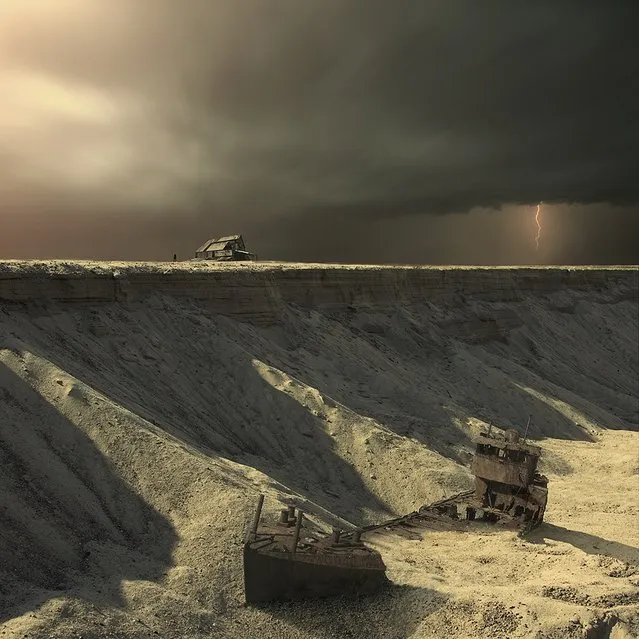
“Last Outpost”. (Photo by Michal Karcz)

“I was born in 1977 in Warsaw, Poland. I had graduated from the High School of Art in Warsaw. My journey into the world of photography began in the early 90's, but at that time my biggest passion was painting. Painting helped me develop vision that was hard to create. Unfortunately I had to leave the paintbrush and canvas. A few years ago, I opened “the door” to my own world with help of a different key”... – Michal Karcz. Photo: “Last Outpost”. (Photo by Michal Karcz)
Details
07 Aug 2013 14:15:00


Greetings, our dear visitors!


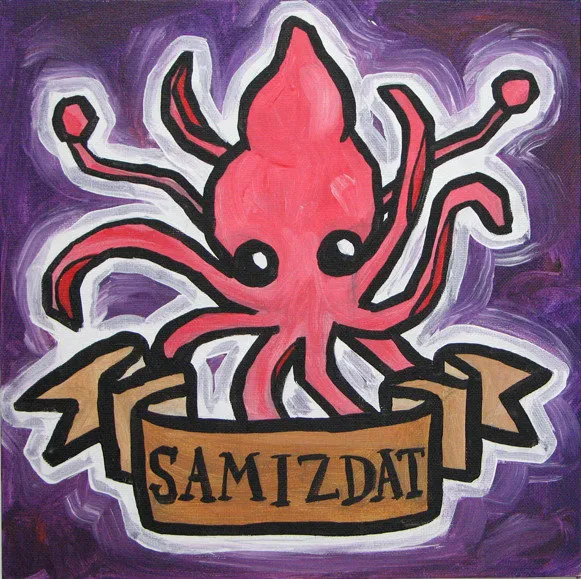
Without mincing words we would like to present a feature: Self-Publishing, let's call it Samizdat. :-) Sure we aren't Flickr, StumbleUpon or add_whatever_you_like, we're really small in comparison with these giants but we have constant, very attentive and grateful audience. All we can offer you is a place on the main page and attention of all our visitors to your posts, the things that are hard to achieve on numerous social services. Who knows, maybe tiny and humble indie project like AvaxNews will be much more helpful in searching of your audience than facebook for example. %-)
Details
11 Oct 2013 10:17:00
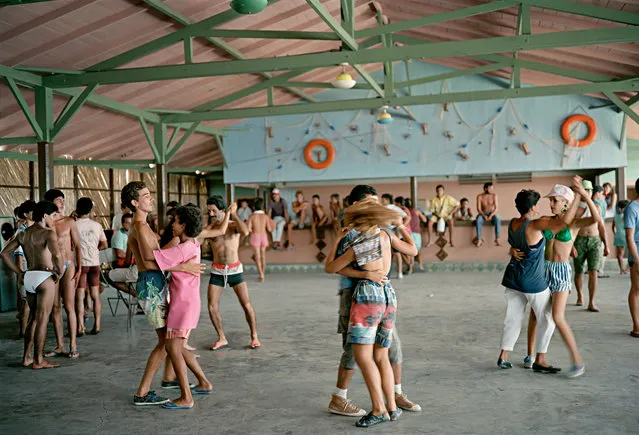
Giovan set out to capture the people’s resilience, during what Fidel Castro, with typical hyperbole, called the “special period”. (Photo by Tria Giovan/The Guardian)

As an American in 1990s Cuba, Tria Giovan risked being branded a traitor. But the photographer continued to visit and, from the dance hall to the hair salon, she captured the resilient spirit of the Cuban people. The 120 images in Tria Giovan’s “The Cuba Archive” are from the period in the 90s when, as an American, travel to Cuba could have seen her branded a traitor, as the country was subject to a US trade embargo. Her trip required lots of planning – and patience. (Photo by Tria Giovan/The Guardian)
Details
21 Sep 2017 09:04:00
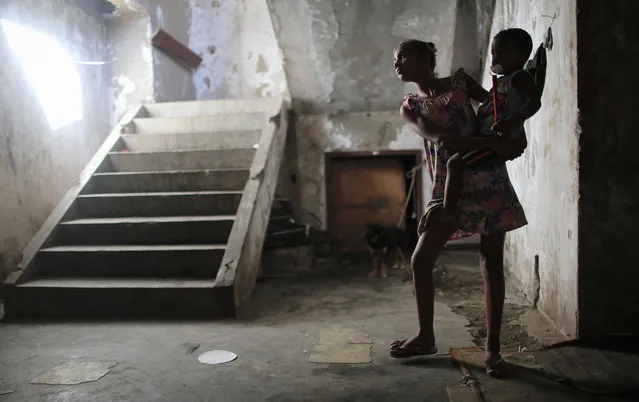
Resident Taina holds her brother Ysaque in the hallway outside their apartment in an occupied building in the Mangueira “favela” community on August 13, 2016 in Rio de Janeiro, Brazil. (Photo by Mario Tama/Getty Images,)

Resident Taina holds her brother Ysaque in the hallway outside their apartment in an occupied building in the Mangueira “favela” community on August 13, 2016 in Rio de Janeiro, Brazil. (Photo by Mario Tama/Getty Images)
Details
22 Aug 2016 12:18:00