Loading...
Done
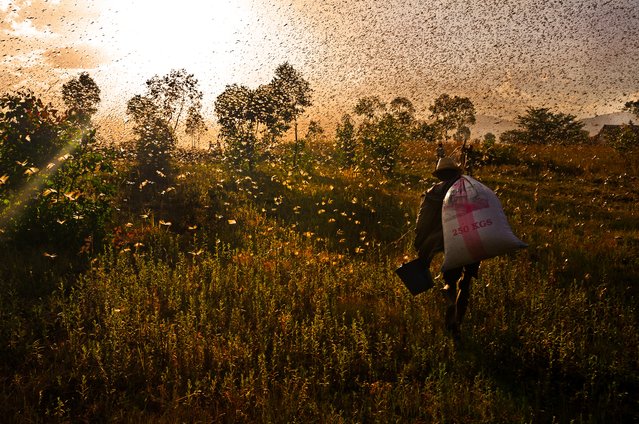
“Locusts & Men”. Oppression, interaction, collaboration. In the life cycle of nature nothing is lost, but the coexistence of different species is sometimes difficult. In Madagascar periodically returns the archaic antagonism between man and the migratory locust, in a circle of life where the two species are looking for space and food for their survival. Photo location: Madagascar, 2013. (Photo and caption by Michele Martinelli/National Geographic Photo Contest)

“Locusts & Men”. Oppression, interaction, collaboration. In the life cycle of nature nothing is lost, but the coexistence of different species is sometimes difficult. In Madagascar periodically returns the archaic antagonism between man and the migratory locust, in a circle of life where the two species are looking for space and food for their survival. At the end of the day a man walks home carrying on his shoulders the heavy bag which contains the locusts captured during the day. The insects provide nutritious meals for the man and his family. Photo location: Madagascar, 2013. (Photo and caption by Michele Martinelli/National Geographic Photo Contest)

ATTENTION! All pictures are presented in high resolution. To see Hi-Res images – just TWICE click on any picture. In other words, click small picture – opens the BIG picture. Click BIG picture – opens VERY BIG picture.
Details
03 Dec 2013 10:59:00
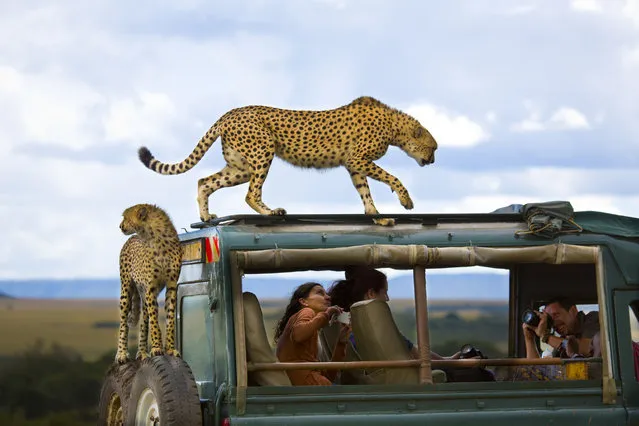
“Say cheese”. Cheetahs jumped on the vehicle of tourists in Masai Mara national park, Kenya. (Photo and caption by Yanai Bonneh/National Geographic Traveler Photo Contest)

“Say cheese”. Cheetahs jumped on the vehicle of tourists in Masai Mara national park, Kenya. (Photo and caption by Yanai Bonneh/National Geographic Traveler Photo Contest)

ATTENTION! All pictures are presented in high resolution. To see Hi-Res images – just TWICE click on any picture. In other words, click small picture – opens the BIG picture. Click BIG picture – opens VERY BIG picture.
Details
26 Jun 2013 06:33:00
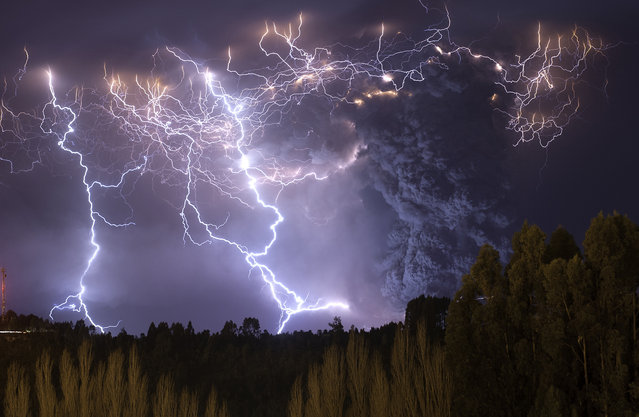
The eruption of Cordon Caulle began on June 4, 2011, located in the Region of Los Rios in Chile. For about 12 months, people and animals became accustomed to living with the daily fall of ash, which also caused problems in the air traffic in South America. The explosions and lightning during first days of the eruption could be seen from hundreds of miles around. This photograph was taken on the second night of eruption from the town of Lago Ranco. (Photo and caption by Francisco Negroni/National Geographic Traveler Photo Contest)

The eruption of Cordon Caulle began on June 4, 2011, located in the Region of Los Rios in Chile. For about 12 months, people and animals became accustomed to living with the daily fall of ash, which also caused problems in the air traffic in South America. The explosions and lightning during first days of the eruption could be seen from hundreds of miles around. This photograph was taken on the second night of eruption from the town of Lago Ranco. (Photo and caption by Francisco Negroni/National Geographic Traveler Photo Contest)

ATTENTION! All pictures are presented in high resolution. To see Hi-Res images – just TWICE click on any picture. In other words, click small picture – opens the BIG picture. Click BIG picture – opens VERY BIG picture.
Details
23 Jun 2013 11:24:00
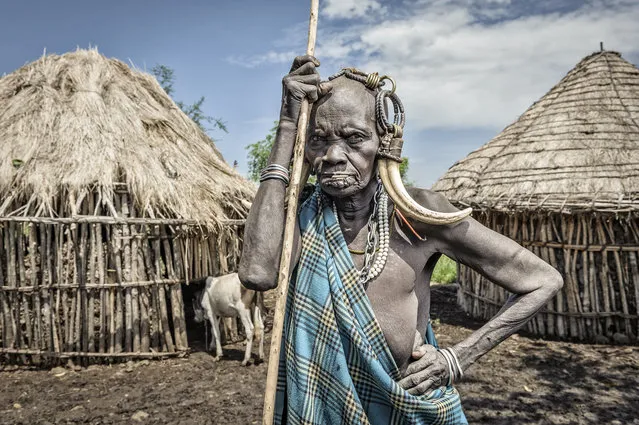
“Old Mursi woman”. Old woman by the huts of her village. Location: Marenke, Omo valley, Ethiopia. (Photo and caption by Jorge Fernandez/National Geographic Traveler Photo Contest)

“Old Mursi woman”. Old woman by the huts of her village. Location: Marenke, Omo valley, Ethiopia. (Photo and caption by Jorge Fernandez/National Geographic Traveler Photo Contest)

ATTENTION! All pictures are presented in high resolution. To see Hi-Res images – just TWICE click on any picture. In other words, click small picture – opens the BIG picture. Click BIG picture – opens VERY BIG picture.
Details
24 Jun 2013 09:55:00
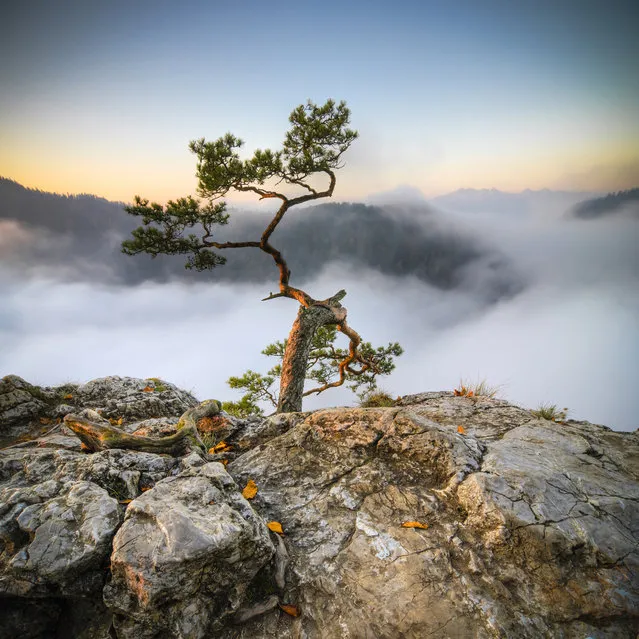
“Sokolica”. Sokolica, Poland. (Photo and caption by Marcin Kęsek/National Geographic Traveler Photo Contest)

“Sokolica”. Sokolica, Poland. (Photo and caption by Marcin Kęsek/National Geographic Traveler Photo Contest)

ATTENTION! All pictures are presented in high resolution. To see Hi-Res images – just TWICE click on any picture. In other words, click small picture – opens the BIG picture. Click BIG picture – opens VERY BIG picture.
Details
25 Jun 2013 09:13:00
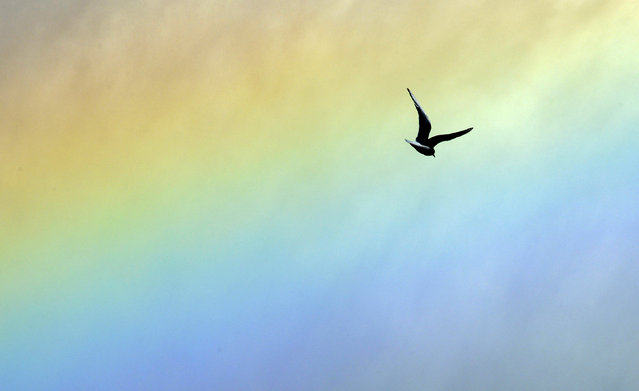
A seagull flies through a rainbow near the Savannah River and the open spillway at Thurmond Dam in Clarks Hill, SC, Monday, January 4, 2016. (Photo by Michael Holahan/Augusta Chronicle via AP Photo)

A seagull flies through a rainbow near the Savannah River and the open spillway at Thurmond Dam in Clarks Hill, SC, Monday, January 4, 2016. (Photo by Michael Holahan/Augusta Chronicle via AP Photo)
Details
28 Apr 2016 12:25:00
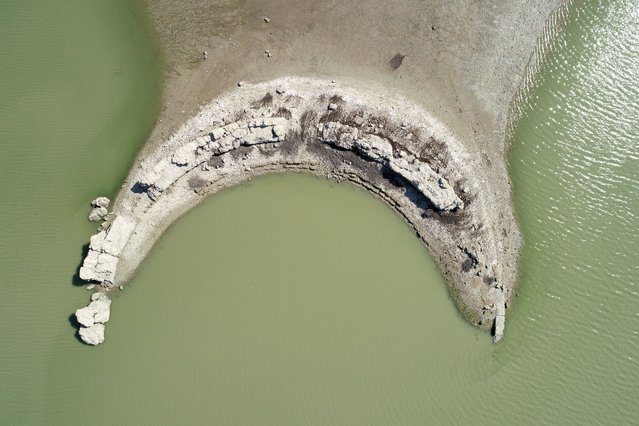
A drone photo shows an aerial view of a part of Augusta Ancient City, belonging to the Roman period, revealed following the withdrawal of water level of Seyhan Dam Lake, in Adana, Turkey on September 07, 2021. (Photo by Eren Bozkurt/Anadolu Agency via Getty Images)

A drone photo shows an aerial view of a part of Augusta Ancient City, belonging to the Roman period, revealed following the withdrawal of water level of Seyhan Dam Lake, in Adana, Turkey on September 07, 2021. (Photo by Eren Bozkurt/Anadolu Agency via Getty Images)
Details
09 Oct 2021 08:06:00
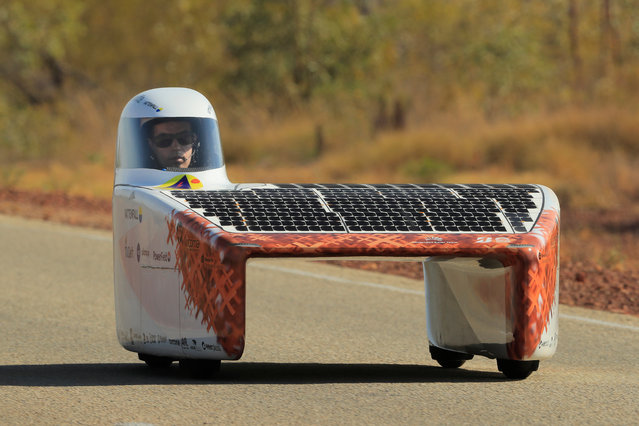
The Vattenfall Solar Team car “Nuna” from the Netherlands competes in the Challenger class on Day 2 of the 2019 Bridgestone World Solar Challenge at Elliott on October 14, 2019 in Elliott Australia. Teams from across the globe are competing in the 2019 World Solar Challenge – a 3000 km solar-powered vehicle race between Darwin and Adelaide. The race starts on the 13th of October in Darwin in the Northern Territory and travels the Stuart Highway to Port Augusta and then via Highway 1 to finish in the City of Adelaide in South Australia. (Photo by Mark Evans/Getty Images for SATC)

The Vattenfall Solar Team car “Nuna” from the Netherlands competes in the Challenger class on Day 2 of the 2019 Bridgestone World Solar Challenge at Elliott on October 14, 2019 in Elliott Australia. Teams from across the globe are competing in the 2019 World Solar Challenge – a 3000 km solar-powered vehicle race between Darwin and Adelaide. The race starts on the 13th of October in Darwin in the Northern Territory and travels the Stuart Highway to Port Augusta and then via Highway 1 to finish in the City of Adelaide in South Australia. (Photo by Mark Evans/Getty Images for SATC)
Details
17 Oct 2019 00:07:00