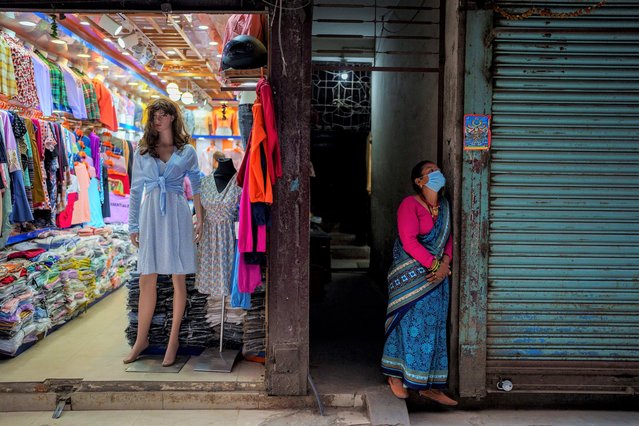
A Nepalese woman wearing a mask as a precaution against the coronavirus stands next to the clothing store in Kathmandu, Nepal, Tuesday, April 26, 2022. (Photo by Niranjan Shrestha/AP Photo)
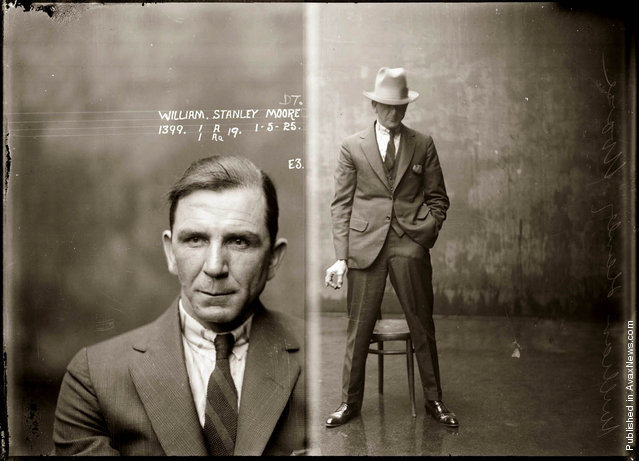
Mug shot of William Stanley Moore, 1 May 1925, Central Police Station, Sydney. This picture appears in the Photo Supplement to the NSW Police Gazette, 28 July, 1926 captioned: “Opium dealer. Operates with large quantities of faked opium and cocaine. A wharf labourer; associates with water front thieves and drug traders”. (Photo by NSW Police Forensic Photography Archive, Justice & Police Museum, Histiric Houses Trust of NSW)
A traditional game that earned hollers from the crowd saw a male rider gallop after a young woman, stretching for a kiss. Only a handful of the men managed the risky peck before the young women turned the tables and thundered after the men with whips in hand. (Photo by Amos Chapple/Radio Free Europe/Radio Liberty)
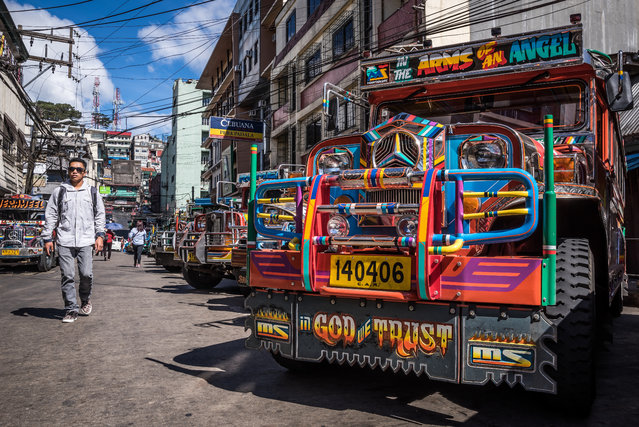
These Filipino icons of ingenuity were originally re-crafted from abandoned US army jeeps after the second world war, and helped to establish a new system of urban transportation. Jeepneys are being phased to help ease city congestion, but the move will also cause unemployment for experienced drivers – and higher fares for commuters. (Photo by Claudio Sieber/Barcroft Media)
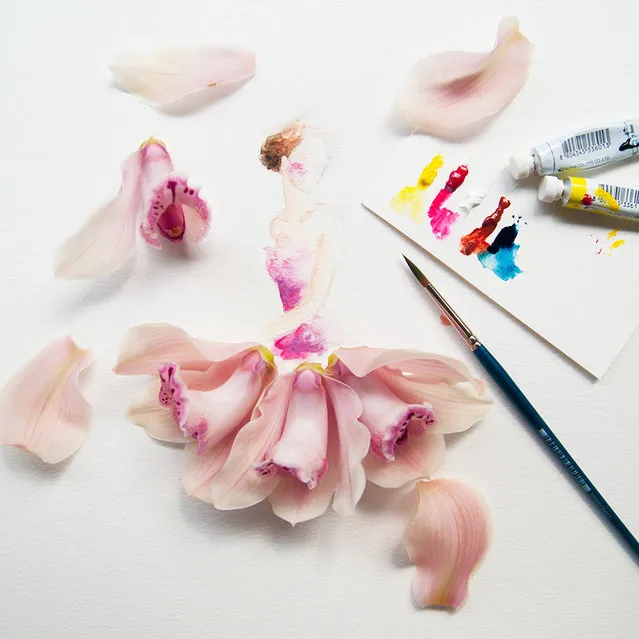
Flowers have always been used in art and fashion. They are everywhere from haute couture scarves to household wallpaper but one artist Lim Zhi Wei, who calls herself Limzy, has created beautiful paintings using fresh flowers that outshines all of those things.
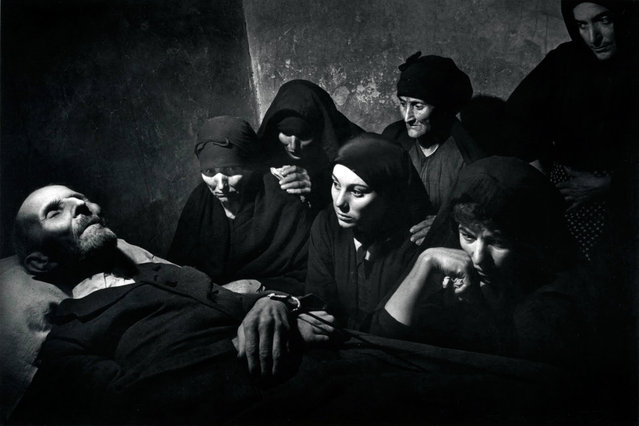
“Originally published in the April 9, 1951, issue of LIFE magazine, W. Eugene Smith’s photo essay, «Spanish Village», has been lauded for more than six decades as the most moving photographic portrait ever made of daily life in rural Spain during the rule of dictator Francisco Franco”. – Time & Life Pictures. Photo: His wife, daughter, granddaughter and friends have their last earthly visit with a villager. (Photo by W. Eugene Smith/Time & Life Pictures)
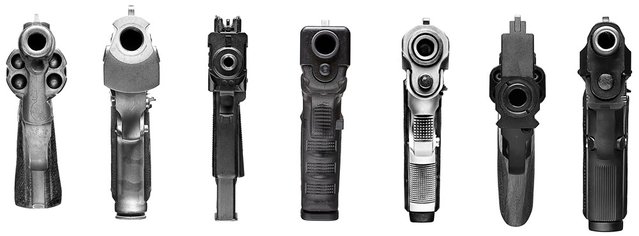
“Guns have a massive amount of power associated with them. They are designed to kill. We decided to photograph portraits of them in a similar way you might photograph a powerful person. Like powerful people, pistols have this “perfect” quality that we wanted to explore. As we started shooting them, we could see flaws in their design. Metal burring around the barrels, scratches in the metal. This imperfection and detail were very interesting to us; connecting us back to these images as portraits”. – Peter Andrew. (Photo by Peter Andrew/Simon Duffy/Derek Blais)