A woman takes pictures using her mobile phone on a deserted square decorated ahead of Christmas, in Pristina on December 7, 2020, during a government-imposed curfew from 7pm to 5am, as part of preventive measures against the spread of the Covid-19. (Photo by Armend Nimani/AFP Photo)
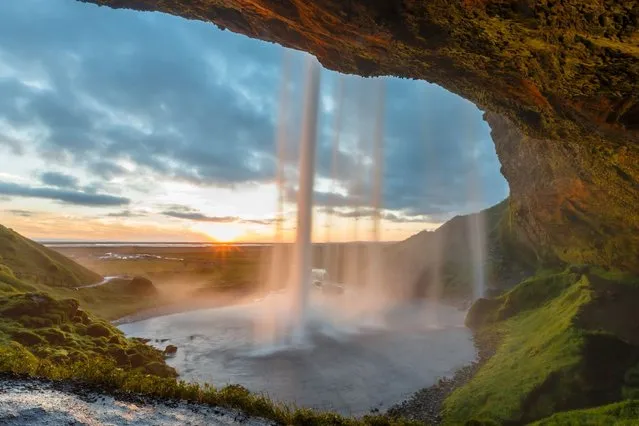
Seljalandsfoss waterfall, located in Iceland. Seljalandsfoss is one of the most famous waterfalls of Iceland. This waterfall of the river Seljalandsá drops 60 metres (200 ft) over the cliffs of the former coastline. It's possible to go behind the waterfall. (Photo by HotSpot Media)
American actress and singer Vanessa Hudgens poses on the red carpet during the Oscars arrivals at the 94th Academy Awards in Hollywood, Los Angeles, California, U.S., March 27, 2022. (Photo by Mike Blake/Reuters)
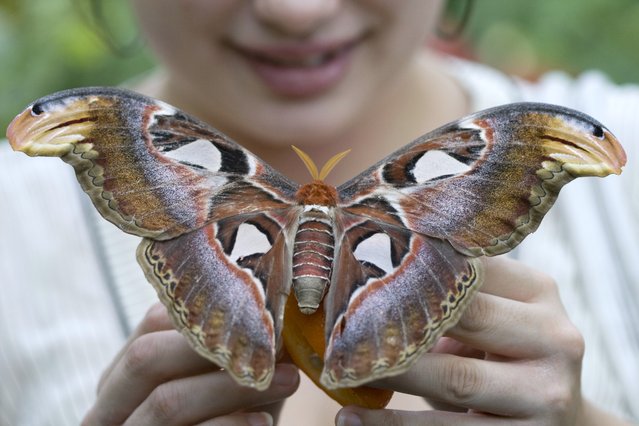
“The Atlas moth (Attacus atlas) is a large saturniid moth found in the tropical and subtropical forests of Southeast Asia, and common across the Malay archipelago. Atlas moths are considered the largest moths in the world in terms of total wing surface area [upwards of c. 400 cm2 (62 sq in)]. Their wingspans are also amongst the largest, reaching over 25 cm (10 in). Females are appreciably larger and heavier”. – Wikipedia. Photo: Atlas Moth. (Photo by Terri Oda)
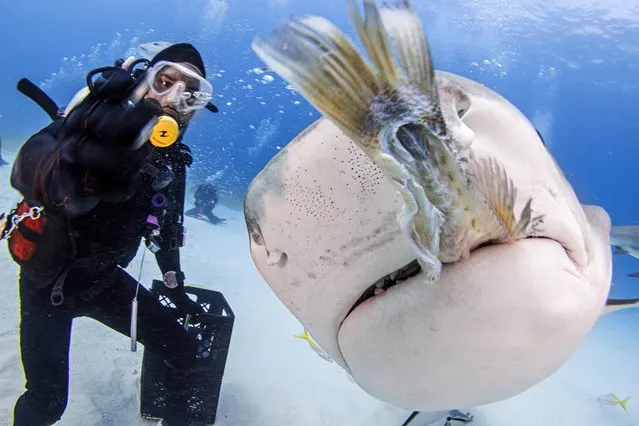
David Martinez, a divemaster and shark feeder, risks life and limb when he hand feeds tiger sharks at Tiger Beach in the Bahamas in December 2022. (Photo by Caters News Agency)
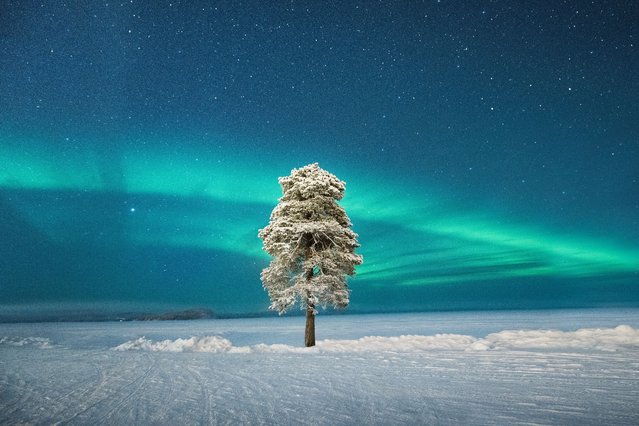
Aurorae category runner-up: Lone Tree under a Scandinavian Aurora by Tom Archer (UK). The photographer decided to explore the area around the hotel on a very crisp -35C evening in Finnish Lapland. When he found this tree, he decided to wait for the misty conditions to change and could not believe his luck when the sky cleared and the aurora came out in the perfect spot. Archer spent about an hour photographing it before his camera started to lock up because of the harsh conditions, but by then he was happy to call it a night. (Photo by Tom Archer/2020 Astronomy Photographer of the Year)
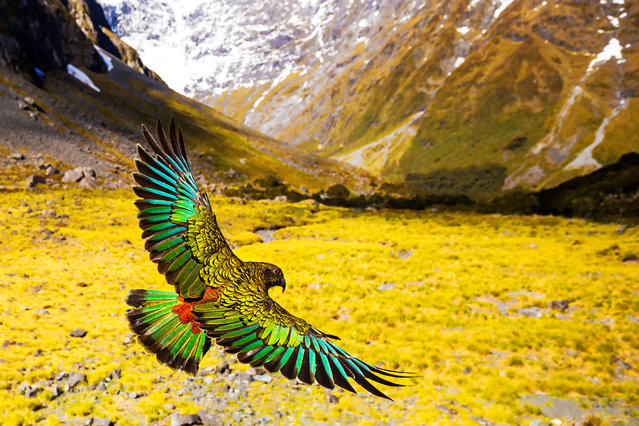
Kea are the only true alpine parrots in the world and thrive as cunning opportunists in the freezing conditions of the Southern Alps. Kea are thought to have developed their wide array of food-finding strategies during the last great ice age, where they learned to adapt using their unusual powers of curiosity. (Photo by Tom Walker/BBC Pictures/The Guardian)