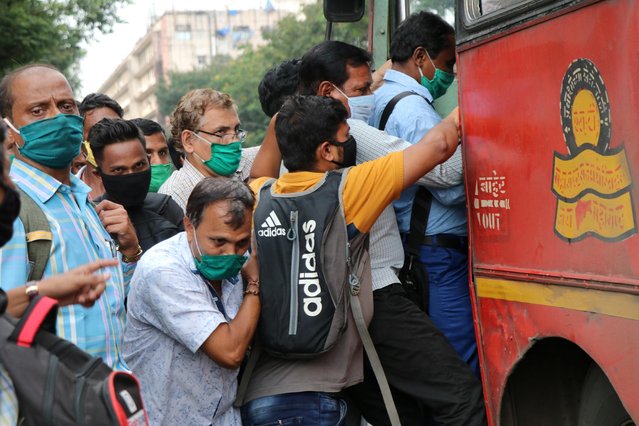
People board a passenger bus during rush hour at a bus terminal, amidst the coronavirus disease (COVID-19) outbreak, in Mumbai, India, September 9, 2020. (Photo by Niharika Kulkarni/Reuters)
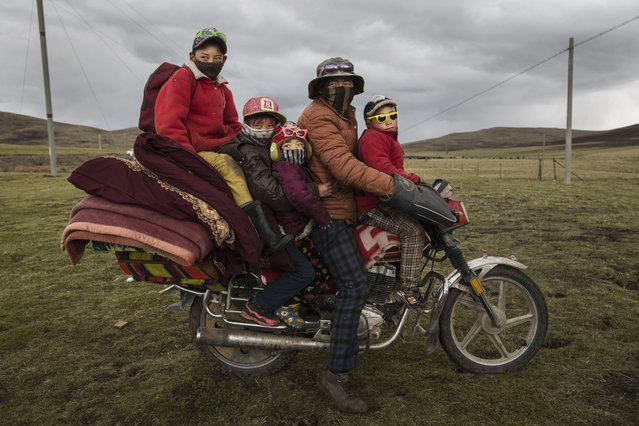
A Tibetan nomad family crowds on a motorcycle at a camp for cordycep pickers on May 21, 2016 near Sershul on the Tibetan Plateau in the Garze Tibetan Autonomous Prefecture of Sichuan province. (Photo by Kevin Frayer/Getty Images)
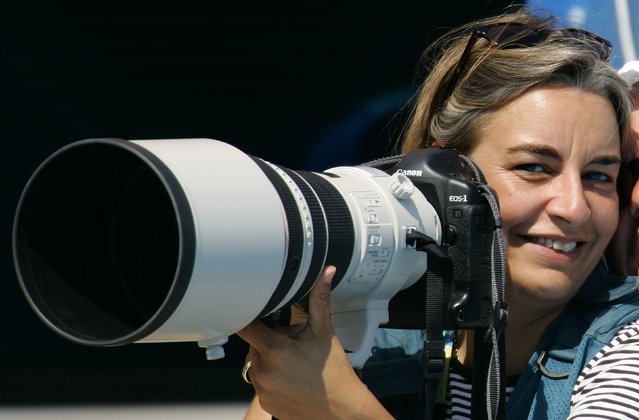
AP photographer Anja Niedringhaus laughs as she attends a swimming event at the 2004 Olympic Games in Athens, August 21, 2004. Niedringhaus, a veteran Associated Press photographer who had covered wars around the world was shot dead and another reporter was wounded on April 4, 2014 when an Afghan policeman opened fire on them in eastern Afghanistan, the news agency said. (Photo by Reuters/Staff)
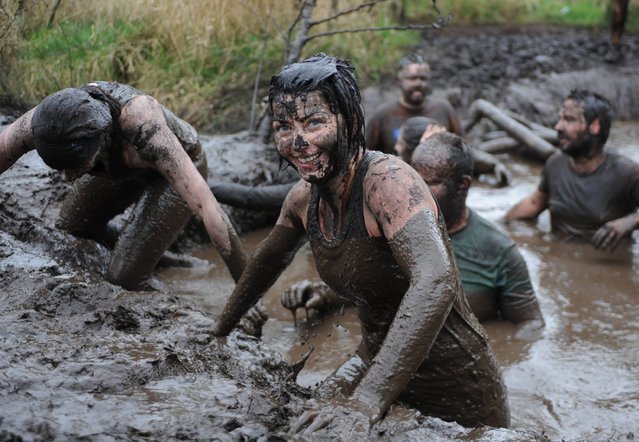
Mud Madness at the annual Jaffa Cakes charity three-mile run at Foymore Lodge near Portadown this afternoon, on April 13, 2014. A total of a thousand competitors and fun-runners took part in the two races held over the mudstrewn endurance course. (Photo by Alan Lewis/Photopress Belfast)
Andrea Petkovic of Germany in action against Sara Errani of Italy during day one of the Mutua Madrid Open tennis tournament at the Caja Magica on May 3, 2014 in Madrid, Spain. (Photo by Julian Finney/Getty Images)
People dressed in Samurai costume and helmet march during the annual Himeji Castle Festival on August 3, 2013 in Himeji, Japan. The parade of Castle Queens is part of the traditional matsuri festival around the UNESCO world heritage Himeji Castle. (Photo by Buddhika Weerasinghe)
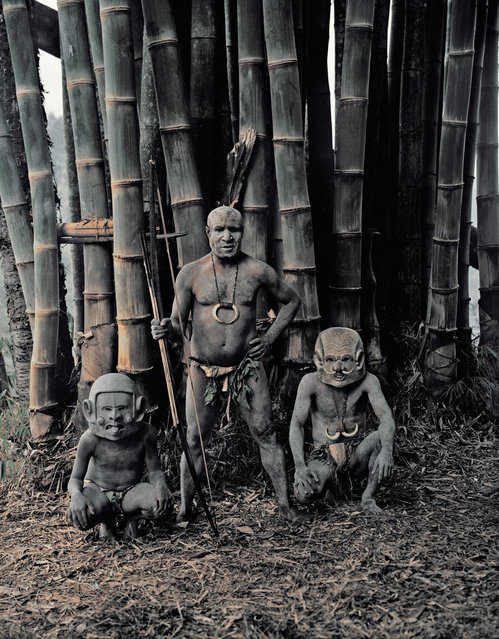
“Asaro from the Eastern Highlands”. The mudmen could not cover their faces with mud because the people of Papua New Guinea thought that the mud from the Asaro river was poisonous. So instead of covering their faces with this alleged poison, they made masks from pebbles that they heated and water from the waterfall, with unusual designs such as long or very short ears either going down to the chin or sticking up at the top, long joined eyebrows attached to the top of the ears, horns and sideways mouths. (Photo and caption by Jimmy Nelson)
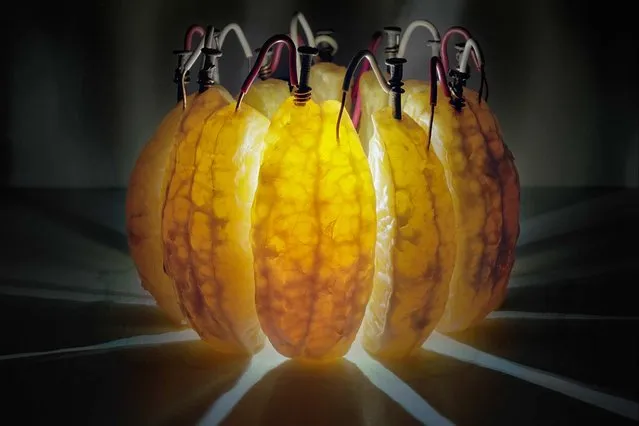
Wedges of an orange generate enough current and electrical juice – 3.5 volts – to power an LED. The fruit’s citric acid helps electrons flow from galvanized nails to copper wire in this 14-hour exposure. This image was published in September’s Visions of Earth, a trio of photos that appear in each issue of National Geographic. (Photo by Caleb Charland/National Geographic)