A model wears a creation during the Chanel Cruise 2021/2022 collection presentation in Dubai, United Arab Emirates, Tuesday, November 2, 2021. (Photo by Kamran Jebreili/AP Photo)
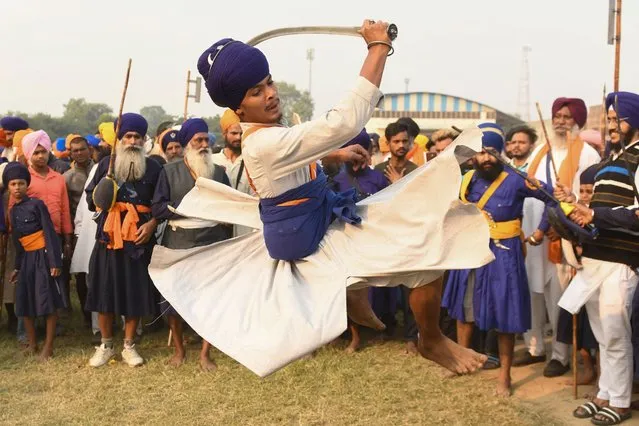
A Nihang' or Sikh warrior performs “Gatka”, an ancient form of Sikh martial arts, during a Fateh Divas celebration a day after the Hindu festival Diwali, in Amritsar on November 5, 2021. (Photo by Narinder Nanu/AFP Photo)
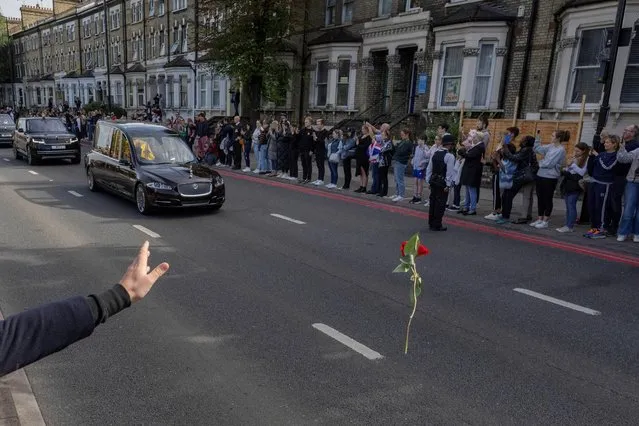
A person throws a flower towards Britain's Queen Elizabeth's coffin, as it is transported, on the day of her state funeral and burial, in London, Britain on September 19, 2022. (Photo by Carlos Barria/Reuters)
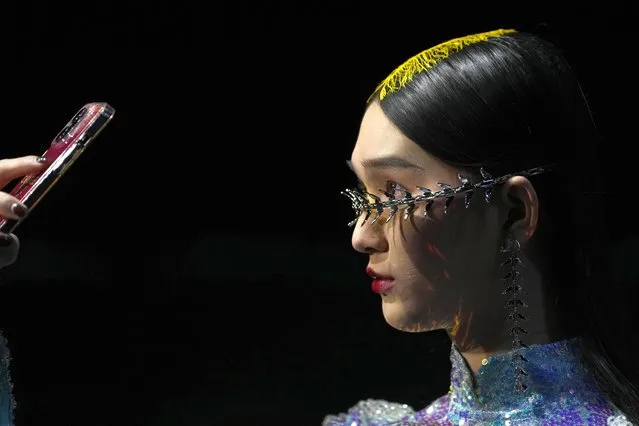
A model takes a selfie during rehearsal for the Moe Ho collection by designer Mengmeng He, during China Fashion Week in Beijing, March 29, 202. (Photo by Ng Han Guan/AP Photo)
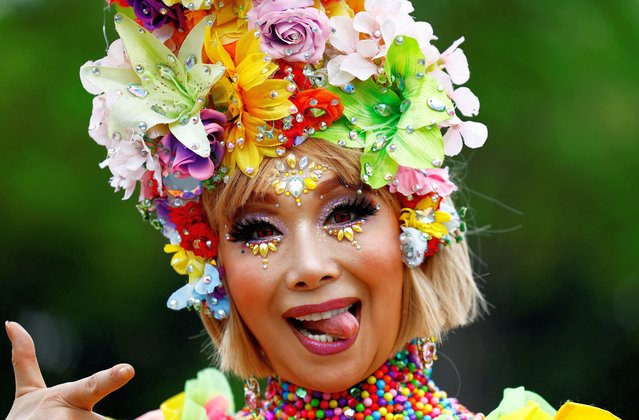
A participant marches during the Tokyo Rainbow Pride parade, celebrating advances in LGBTQ+ rights and calling for marriage equality, in Tokyo, Japan on April 21, 2024. (Photo by Issei Kato/Reuters)
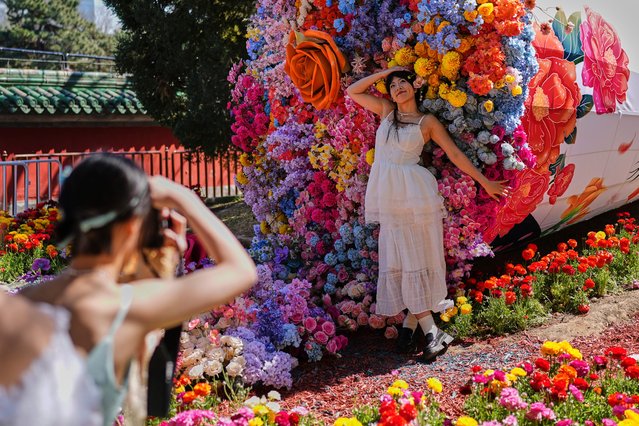
A woman poses for a photo shoot with the blossom flowers decorated at Ritan Park during the Spring season in Beijing, Sunday, March 30, 2025. (Photo by Andy Wong/AP Photo)
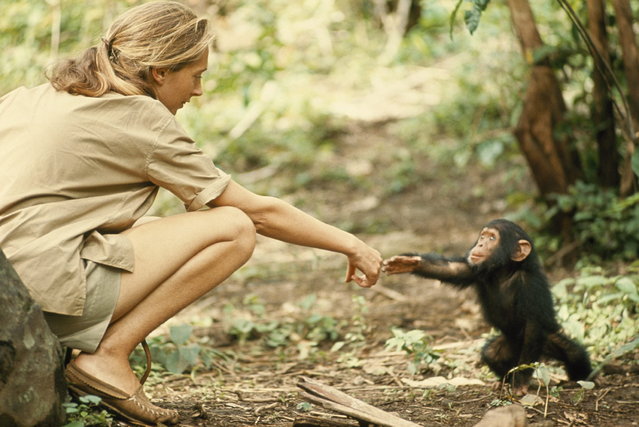
Tanzania, 1964. A touching moment between primatologist and National Geographic grantee Jane Goodall and young chimpanzee Flint at Tanzania's Gombe Stream Reserve. (Photo by Hugo van Lawick via National Geographic)
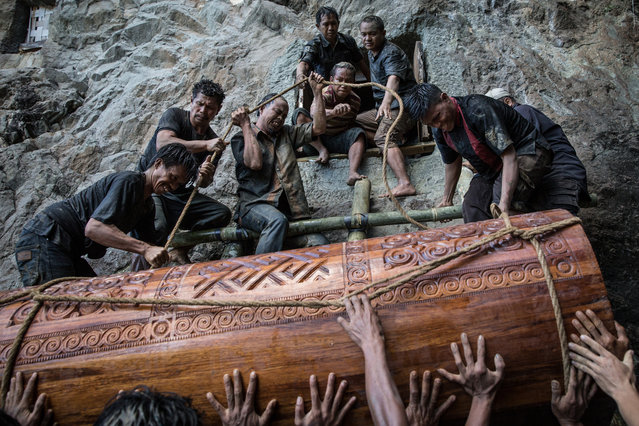
It is said that Torajans are people who “live to die”. For this Indonesian ethnic group, funerals are such extravagant events that they sometimes attract tourists. Families can postpone burials years (and the deceased are considered sick and hosted at home until the funeral) until the family can raise enough money and gather as many relatives as possible. And then it’s a jubilant multiday social event with a parade, dances and animal sacrifices. Agung Parameswara photographed these funerary practices when he traveled to South Sulawesi province, where the Torajans live. (Photo by Agung Parameswara/The Washington Post)