Loading...
Done
“Locusts & Men”. Oppression, interaction, collaboration. In the life cycle of nature nothing is lost, but the coexistence of different species is sometimes difficult. In Madagascar periodically returns the archaic antagonism between man and the migratory locust, in a circle of life where the two species are looking for space and food for their survival. Photo location: Madagascar, 2013. (Photo and caption by Michele Martinelli/National Geographic Photo Contest)

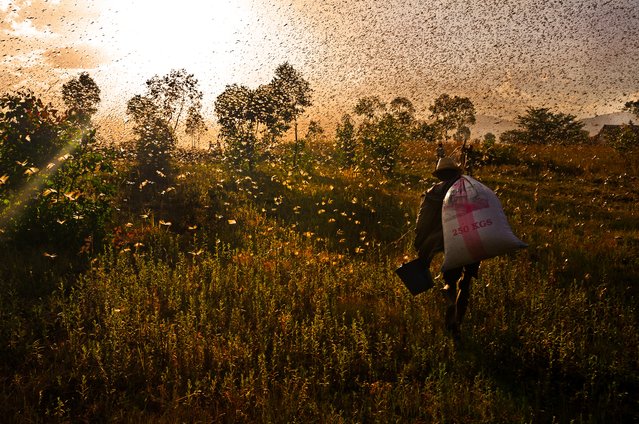
“Locusts & Men”. Oppression, interaction, collaboration. In the life cycle of nature nothing is lost, but the coexistence of different species is sometimes difficult. In Madagascar periodically returns the archaic antagonism between man and the migratory locust, in a circle of life where the two species are looking for space and food for their survival. At the end of the day a man walks home carrying on his shoulders the heavy bag which contains the locusts captured during the day. The insects provide nutritious meals for the man and his family. Photo location: Madagascar, 2013. (Photo and caption by Michele Martinelli/National Geographic Photo Contest)

ATTENTION! All pictures are presented in high resolution. To see Hi-Res images – just TWICE click on any picture. In other words, click small picture – opens the BIG picture. Click BIG picture – opens VERY BIG picture.
Details
03 Dec 2013 10:59:00
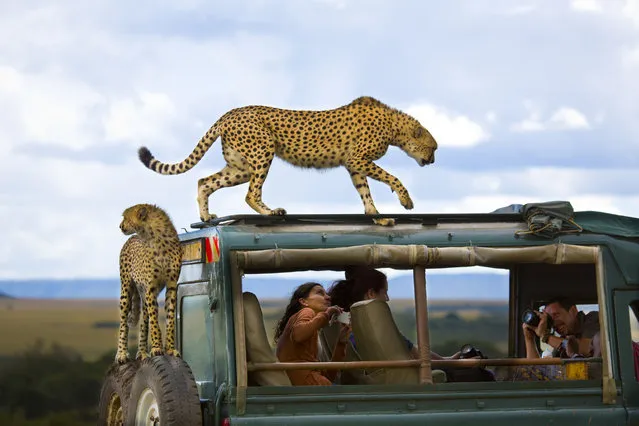
“Say cheese”. Cheetahs jumped on the vehicle of tourists in Masai Mara national park, Kenya. (Photo and caption by Yanai Bonneh/National Geographic Traveler Photo Contest)

“Say cheese”. Cheetahs jumped on the vehicle of tourists in Masai Mara national park, Kenya. (Photo and caption by Yanai Bonneh/National Geographic Traveler Photo Contest)

ATTENTION! All pictures are presented in high resolution. To see Hi-Res images – just TWICE click on any picture. In other words, click small picture – opens the BIG picture. Click BIG picture – opens VERY BIG picture.
Details
26 Jun 2013 06:33:00
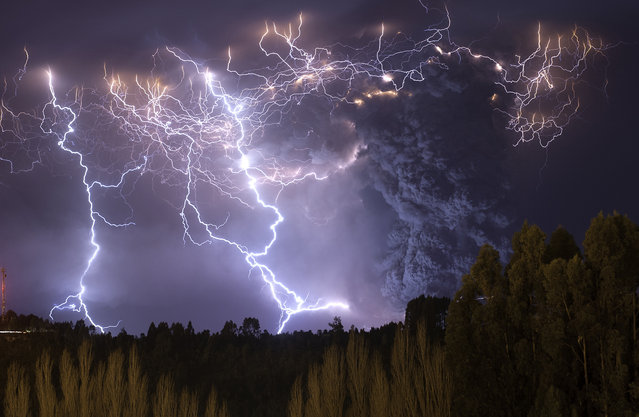
The eruption of Cordon Caulle began on June 4, 2011, located in the Region of Los Rios in Chile. For about 12 months, people and animals became accustomed to living with the daily fall of ash, which also caused problems in the air traffic in South America. The explosions and lightning during first days of the eruption could be seen from hundreds of miles around. This photograph was taken on the second night of eruption from the town of Lago Ranco. (Photo and caption by Francisco Negroni/National Geographic Traveler Photo Contest)

The eruption of Cordon Caulle began on June 4, 2011, located in the Region of Los Rios in Chile. For about 12 months, people and animals became accustomed to living with the daily fall of ash, which also caused problems in the air traffic in South America. The explosions and lightning during first days of the eruption could be seen from hundreds of miles around. This photograph was taken on the second night of eruption from the town of Lago Ranco. (Photo and caption by Francisco Negroni/National Geographic Traveler Photo Contest)

ATTENTION! All pictures are presented in high resolution. To see Hi-Res images – just TWICE click on any picture. In other words, click small picture – opens the BIG picture. Click BIG picture – opens VERY BIG picture.
Details
23 Jun 2013 11:24:00
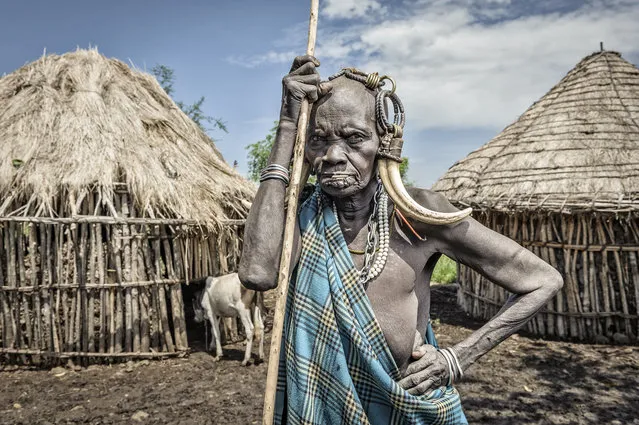
“Old Mursi woman”. Old woman by the huts of her village. Location: Marenke, Omo valley, Ethiopia. (Photo and caption by Jorge Fernandez/National Geographic Traveler Photo Contest)

“Old Mursi woman”. Old woman by the huts of her village. Location: Marenke, Omo valley, Ethiopia. (Photo and caption by Jorge Fernandez/National Geographic Traveler Photo Contest)

ATTENTION! All pictures are presented in high resolution. To see Hi-Res images – just TWICE click on any picture. In other words, click small picture – opens the BIG picture. Click BIG picture – opens VERY BIG picture.
Details
24 Jun 2013 09:55:00
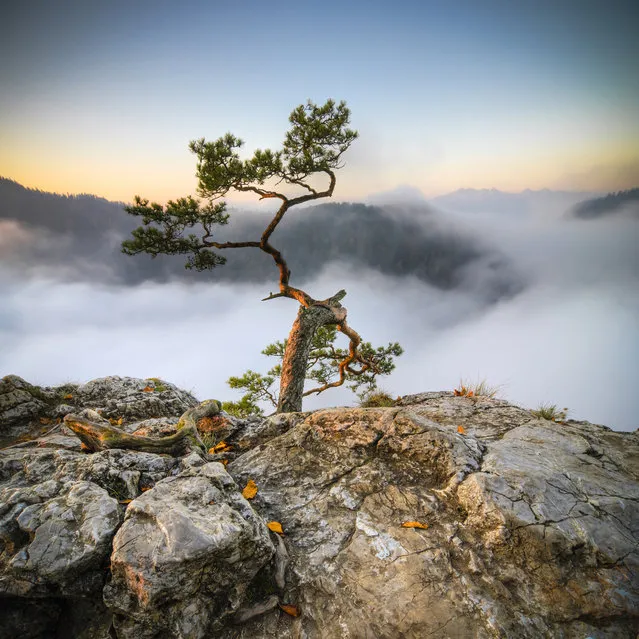
“Sokolica”. Sokolica, Poland. (Photo and caption by Marcin Kęsek/National Geographic Traveler Photo Contest)

“Sokolica”. Sokolica, Poland. (Photo and caption by Marcin Kęsek/National Geographic Traveler Photo Contest)

ATTENTION! All pictures are presented in high resolution. To see Hi-Res images – just TWICE click on any picture. In other words, click small picture – opens the BIG picture. Click BIG picture – opens VERY BIG picture.
Details
25 Jun 2013 09:13:00
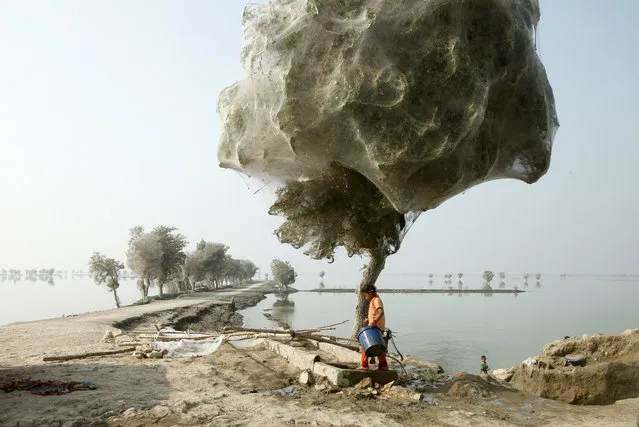
Spiderweb Cocooned Trees In Pakistan

An unexpected side-effect of the flooding in parts of Pakistan has been that millions of spiders climbed up into the trees to escape the rising flood waters. Because of the scale of the flooding and the fact that the water has taken so long to recede, many trees have become cocooned in spiders’ webs.
Details
15 May 2014 11:22:00
Spencer Slate, costumed as a scuba-diving Easter bunny, is shown in this handout photo provided by the Florida Keys News Bureau as he hides eggs amid eel grass, in the Florida Keys National Marine Sanctuary off Key Largo, Florida March 31, 2013. About 80 adults and children participated in an Underwater Easter Egg Hunt, seeking real hard-boiled eggs painted with non-toxic food coloring to avoid adverse effects on the marine ecosystem. (Photo by Bob Care/Reuters/Florida Keys News Bureau)

Spencer Slate, costumed as a scuba-diving Easter bunny, is shown in this handout photo provided by the Florida Keys News Bureau as he hides eggs amid eel grass, in the Florida Keys National Marine Sanctuary off Key Largo, Florida March 31, 2013. About 80 adults and children participated in an Underwater Easter Egg Hunt, seeking real hard-boiled eggs painted with non-toxic food coloring to avoid adverse effects on the marine ecosystem. (Photo by Bob Care/Reuters/Florida Keys News Bureau)
Details
02 Apr 2013 12:33:00
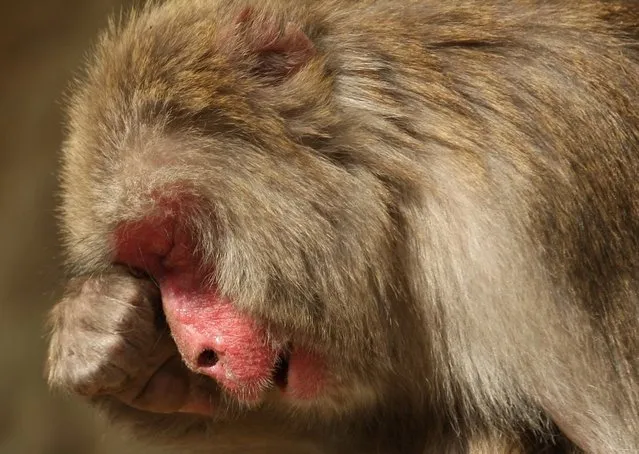
A 20-year-old Japanese macaque monkey named Monday scratches her eyes while suffering an allergy to pollen from the cedar tree at Awajishima Monkey Centre on March 17, 2013 in Sumoto, Japan. Many monkeys are suffering the effects of hay fever at this time of the year, with the typical symptoms being the same as with humans.  According to Awajishima Monkey center this year hay fever is higher than last year, the pollen season is from February to April.  (Photo by Buddhika Weerasinghe)

A 20-year-old Japanese macaque monkey named Monday scratches her eyes while suffering an allergy to pollen from the cedar tree at Awajishima Monkey Centre on March 17, 2013 in Sumoto, Japan. Many monkeys are suffering the effects of hay fever at this time of the year, with the typical symptoms being the same as with humans. According to Awajishima Monkey center this year hay fever is higher than last year, the pollen season is from February to April. (Photo by Buddhika Weerasinghe)
Details
18 Mar 2013 09:48:00