Loading...
Done
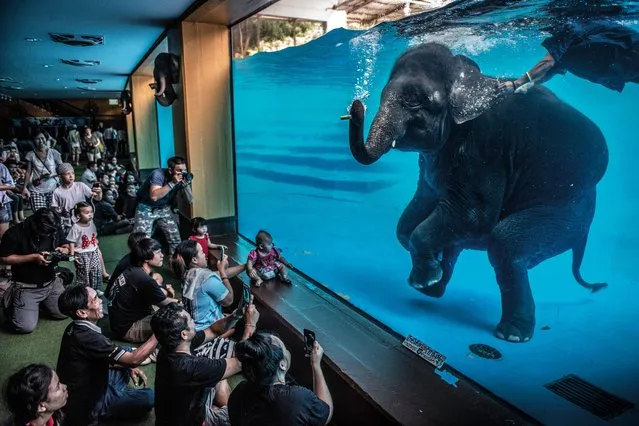
Winner, photojournalism. Elephant in the room, by Adam Oswell, Australia Zoo. Visitors watch a young elephant performing underwater. Oswell was disturbed by this scene, and organisations concerned with the welfare of captive elephants say performances like this encourage unnatural behaviour. In Thailand, there are now more elephants in captivity than in the wild. With the Covid pandemic causing tourism to collapse, elephant sanctuaries are becoming overwhelmed with animals that can no longer be looked after by their owners. (Photo by Adam Oswell/Wildlife Photographer of the Year 2021)

Winner, photojournalism. Elephant in the room, by Adam Oswell, Australia Zoo. Visitors watch a young elephant performing underwater. Oswell was disturbed by this scene, and organisations concerned with the welfare of captive elephants say performances like this encourage unnatural behaviour. In Thailand, there are now more elephants in captivity than in the wild. With the Covid pandemic causing tourism to collapse, elephant sanctuaries are becoming overwhelmed with animals that can no longer be looked after by their owners. (Photo by Adam Oswell/Wildlife Photographer of the Year 2021)
Details
30 Oct 2021 08:40:00
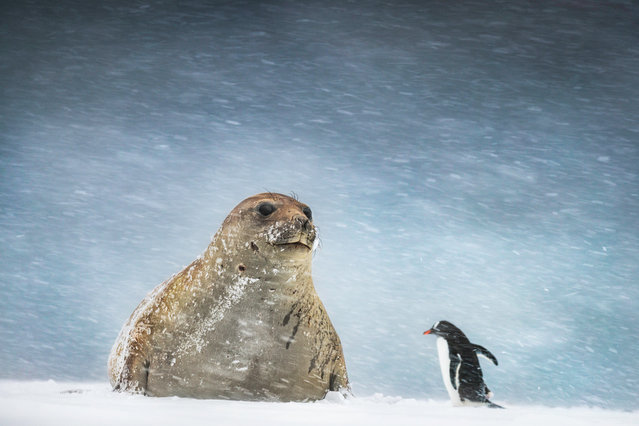
This photo of an elephant seal and Gentoo penguin shot by Andrew James in Yankee Harbour, Antarctica. (Photo by Andrew James/Travel Photographer of the Year)

This photo of an elephant seal and Gentoo penguin shot by Andrew James in Yankee Harbour, Antarctica. (Photo by Andrew James/Travel Photographer of the Year)
Details
12 Apr 2019 00:05:00
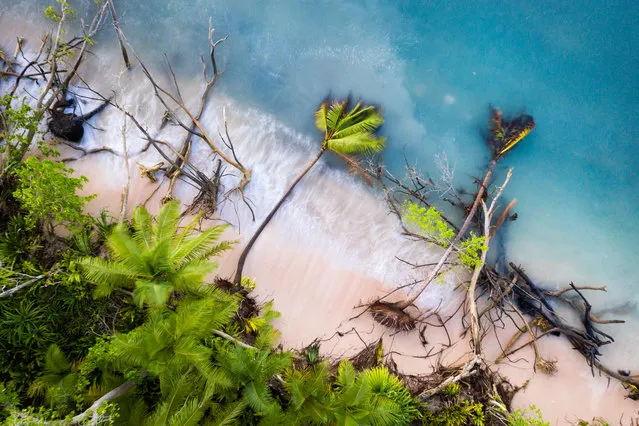
Tuvalu Beneath the Rising Tide by Sean Gallagher, Tuvalu. Changing environments prize: Fallen trees lie on a beach as the waves from the Funafuti lagoon in Tuvalu lap around them. Land erosion has always been a problem for the South Pacific country but problems are intensifying as sea levels rise. Rising seas are on the verge of completely submerging the tiny archipelago’s islands. (Photo by Sean Gallagher/CIWEM Environmental Photographer of the Year 2019)

Tuvalu Beneath the Rising Tide by Sean Gallagher, Tuvalu. Changing environments prize: Fallen trees lie on a beach as the waves from the Funafuti lagoon in Tuvalu lap around them. Land erosion has always been a problem for the South Pacific country but problems are intensifying as sea levels rise. Rising seas are on the verge of completely submerging the tiny archipelago’s islands. (Photo by Sean Gallagher/CIWEM Environmental Photographer of the Year 2019)
Details
26 Sep 2019 00:03:00
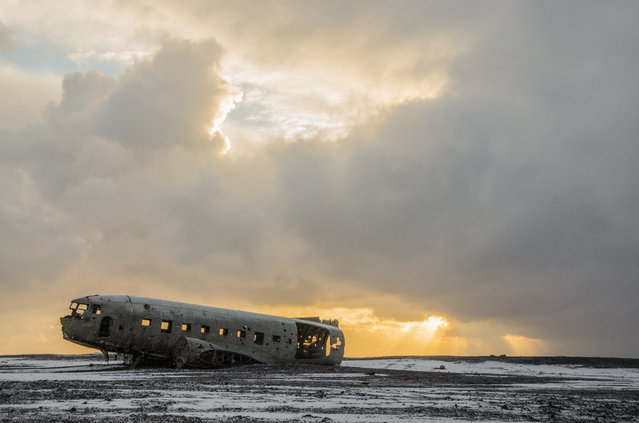
Shortlisted: Sólheimasandur aircraft crash site, Iceland by Ollie Conway. (Photo by Ollie Conway/Historic Photographer of the Year Awards 2019/The Guardian)

Shortlisted: Sólheimasandur aircraft crash site, Iceland by Ollie Conway. (Photo by Ollie Conway/Historic Photographer of the Year Awards 2019/The Guardian)
Details
27 Nov 2019 00:01:00
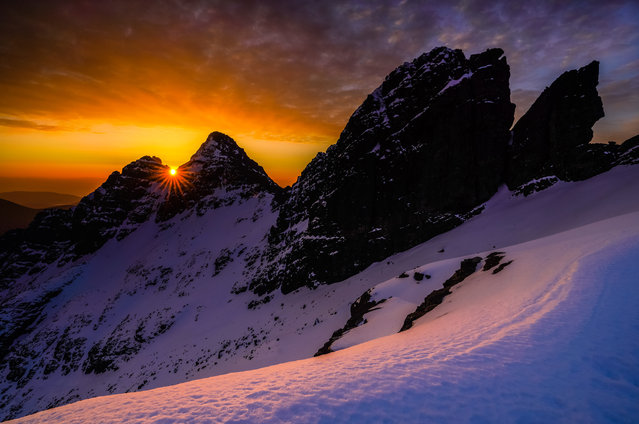
The sun rises between Sgurr nan Gillean and Knight’s Peak, Black Cuillin, Isle of Skye. (Photo by Adrian Trendall/Mountain Photo of the Year)

The sun rises between Sgurr nan Gillean and Knight’s Peak, Black Cuillin, Isle of Skye. (Photo by Adrian Trendall/Mountain Photo of the Year)
Details
13 Jan 2023 02:09:00
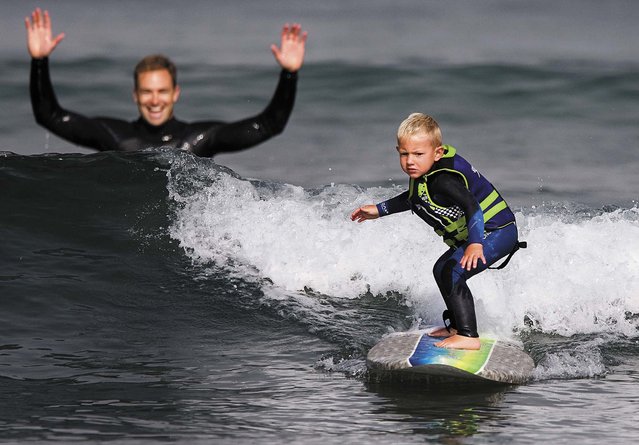
Triston surfs a wave as his father, Todd, watches in Morro Bay. “Hes the most coordinated 3-year-old I've ever seen”, says the 35-year-old captain/paramedic with the Morro Bay Fire Department. (Photo by Joe Johnston/The Tribune of San Luis Obispo)

Triston surfs a wave as his father, Todd, watches in Morro Bay. “Hes the most coordinated 3-year-old I've ever seen”, says the 35-year-old captain/paramedic with the Morro Bay Fire Department. (Photo by Joe Johnston/The Tribune of San Luis Obispo)
Details
06 Sep 2013 09:59:00
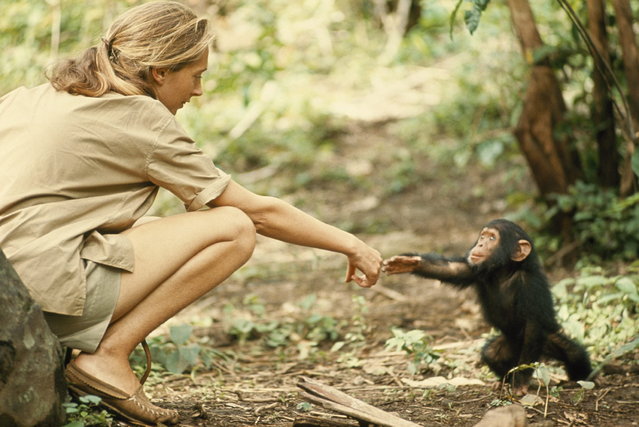
Tanzania, 1964. A touching moment between primatologist and National Geographic grantee Jane Goodall and young chimpanzee Flint at Tanzania's Gombe Stream Reserve. (Photo by Hugo van Lawick

Tanzania, 1964. A touching moment between primatologist and National Geographic grantee Jane Goodall and young chimpanzee Flint at Tanzania's Gombe Stream Reserve. (Photo by Hugo van Lawick via National Geographic)
Details
16 Jan 2013 09:59:00
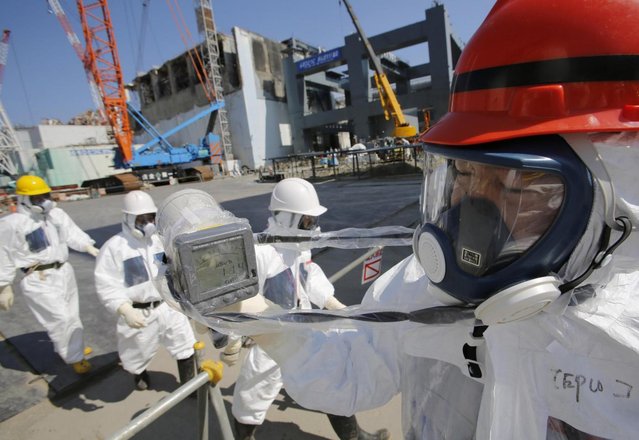
A radiation monitor indicates 114.00 microsieverts per hour near the building housing the plant's No. 4 reactor, center, and an under construction foundation, right, which will store the reactor's melted fuel rods at Tokyo Electric Power Co.'s tsunami-crippled Fukushima Dai-ichi nuclear power plant in Okuma, Fukushima prefecture, Wednesday, March 6, 2013, ahead of the second anniversary of the March 11, 2011 tsunami and earthquake. (Photo by Issei Kato/AP Photo/Pool)

A radiation monitor indicates 114.00 microsieverts per hour near the building housing the plant's No. 4 reactor, center, and an under construction foundation, right, which will store the reactor's melted fuel rods at Tokyo Electric Power Co.'s tsunami-crippled Fukushima Dai-ichi nuclear power plant in Okuma, Fukushima prefecture, Wednesday, March 6, 2013, ahead of the second anniversary of the March 11, 2011 tsunami and earthquake. Some 110,000 people living around the nuclear plant were evacuated after the massive March 11, 2011, earthquake and tsunami knocked out the plant's power and cooling systems, causing meltdowns in three reactors and spewing radiation into the surrounding air, soil and water. (Photo by Issei Kato/AP Photo/Pool)
Details
06 Mar 2013 13:19:00