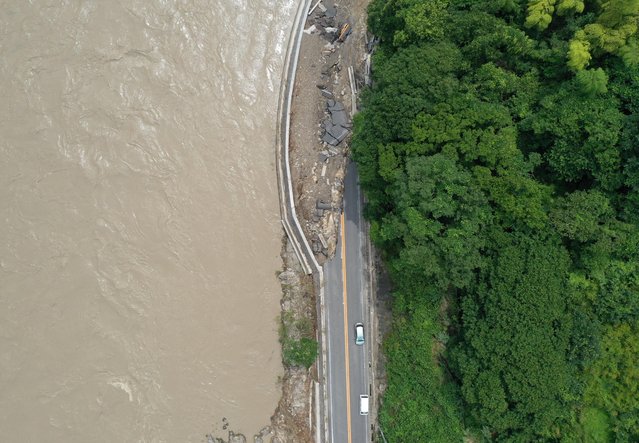
A view shows a damaged road after floods caused by torrential rain, in Kumamura, Kumamoto Prefecture, southwestern Japan, July 8, 2020. (Photo by Kim Kyung-Hoon/Reuters)
Canadian actress and model Shay Mitchell enjoys time to herself after giving birth in the last decade of August 2022. (Photo by shaymitchell/Instagram)
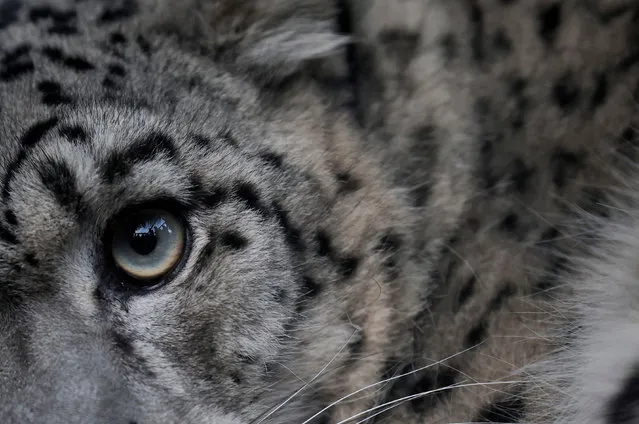
A snow leopard looks on from an inside of a cage, after being captured from the southern plains of Nepal and brought to the central zoo, which wildlife experts say is rare for the animal that is found in the higher altitude, in Kathmandu, Nepal on January 26, 2024. (Photo by Navesh Chitrakar/Reuters)
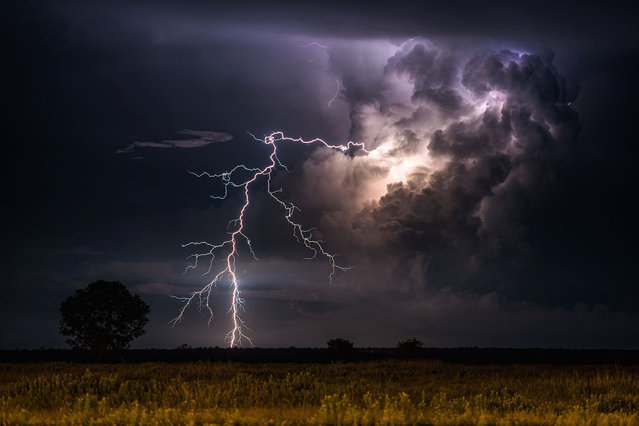
An incredible clear-air lightning display from storms to the east of Noonamah, just outside Darwin on April 6, 2015. (Photo by Jacci Ingham/The Guardian)
Participants run at the “Half-Naked Marathon” at Olympic Forest park in Beijing, China, February 28, 2016. This annual running event which requires participants to run half-naked, was organized to promote environmentally friendly lifestyles. (Photo by Kim Kyung-Hoon/Reuters)
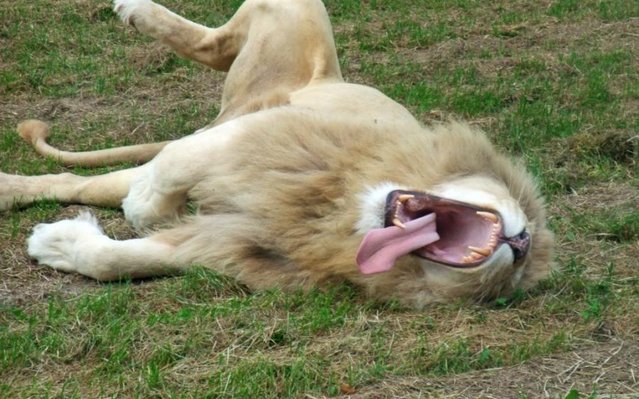
In animals, yawning can serve as a warning signal. For example, Charles Darwin, in his book The Expression of the Emotions in Man and Animals, mentioned that baboons yawn to threaten their enemies, possibly by displaying large canine teeth. Similarly, Siamese fighting fish yawn only when they see a conspecific (same species) or their own mirror-image, and their yawn often accompanies aggressive attack. Guinea pigs also yawn in a display of dominance or anger, displaying their impressive incisor teeth. This is often accompanied by teeth chattering, purring and scent marking.