Loading...
Done
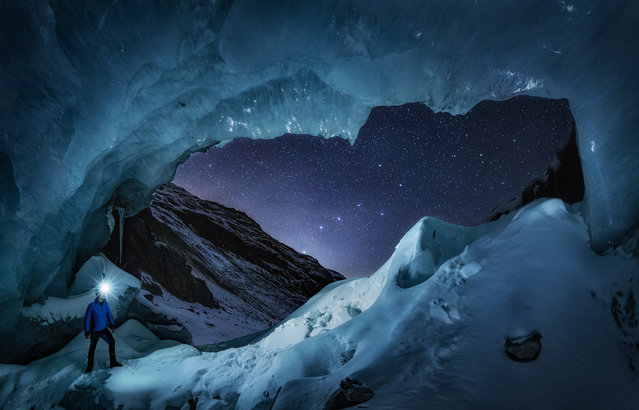
“Mr Big Dipper”, Nicholas Roemmelt (Denmark). A stargazer observes the constellation of the Big Dipper perfectly aligned with the window of the entrance to a large glacier cave in Engadin, Switzerland. This is a panorama of two pictures, and each is a stack of another two pictures: one for the stars and another one for the foreground, but with no composing or time blending. (Photo by Nicholas Roemmelt/National Maritime Museum/The Guardian)

“Mr Big Dipper”, Nicholas Roemmelt (Denmark). A stargazer observes the constellation of the Big Dipper perfectly aligned with the window of the entrance to a large glacier cave in Engadin, Switzerland. This is a panorama of two pictures, and each is a stack of another two pictures: one for the stars and another one for the foreground, but with no composing or time blending. (Photo by Nicholas Roemmelt/National Maritime Museum/The Guardian)
Details
27 Jul 2017 06:50:00
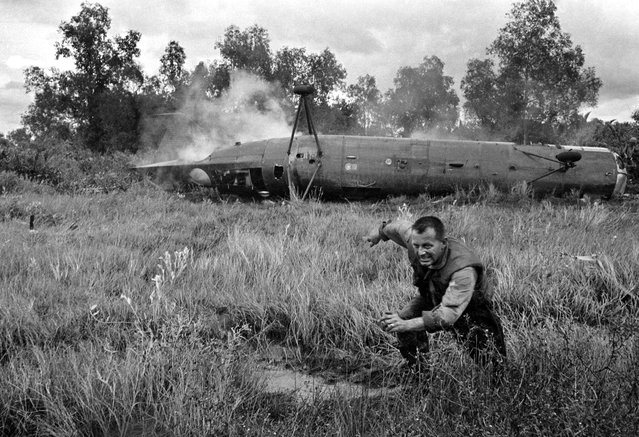
A U.S. crewman runs from a crashed CH-21 Shawnee troop helicopter near the village of Ca Mau in the southern tip of South Vietnam, Dec. 11, 1962

“Horst Faas (28 April 1933 – 10 May 2012) was a German photo-journalist and two-time Pulitzer Prize winner. He is best-known for his images of the Vietnam War”. – Wikipedia

Photo: A U.S. crewman runs from a crashed CH-21 Shawnee troop helicopter near the village of Ca Mau in the southern tip of South Vietnam, December 11, 1962. Two helicopters crashed without serious injuries during a government raid on the Viet Cong-infiltrated area. Both helicopters were destroyed to keep them out of enemy hands. (Photo by AP Photo/Horst Faas)
Details
24 May 2012 09:43:00
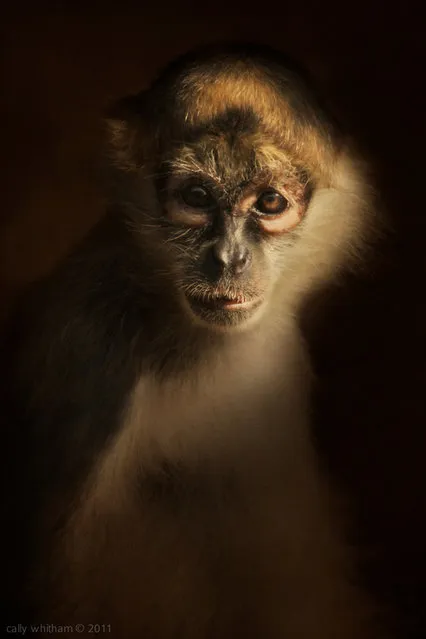
Old-Style Photographic Works By Cally Whitham Part2

Cally Whitham is a photographic artist from New Zealand with romantic notions of finding value in banality. Her work identifies aesthetic value where none appears apparent and often invites viewers to reflect on our rural beginnings. via Photography Blogs.
Details
28 Aug 2013 11:37:00
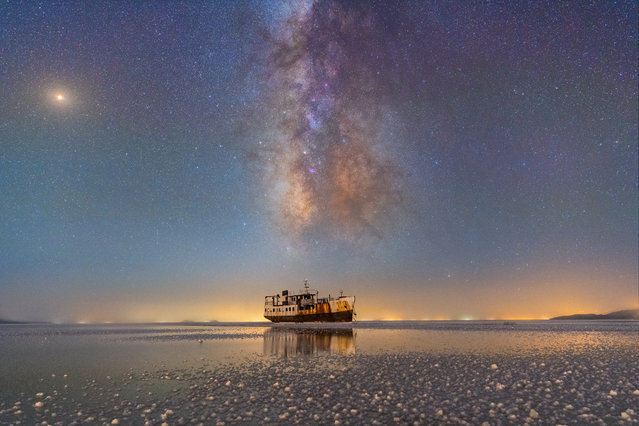
Sharafkhaneh port and lake Urmia. Masoud Ghadiri (Iran). The summer Milky Way is very prominent in this photo. On the galaxy zone, Saturn is located besides the Lagoon nebula. On the right of the horizon, you can see the extreme light pollution of Urmia, which is caused by ever-increasing city development. (Photo by Masoud Ghadiri/National Maritime Museum)

Sharafkhaneh port and lake Urmia. Masoud Ghadiri (Iran). The summer Milky Way is very prominent in this photo. On the galaxy zone, Saturn is located besides the Lagoon nebula. On the right of the horizon, you can see the extreme light pollution of Urmia, which is caused by ever-increasing city development. (Photo by Masoud Ghadiri/National Maritime Museum)
Details
20 Jun 2019 00:01:00
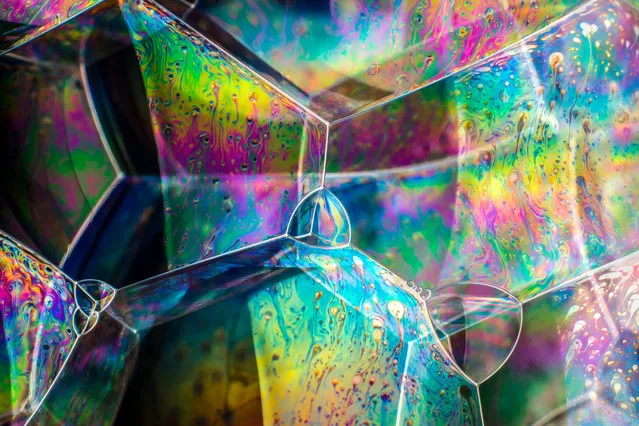
Soap Bubble Structures by Kym Cox. Bubbles optimise space and minimise their surface area for a given volume of air. This phenomenon makes them a useful tool in many areas of research, in particular, materials science and ‘packing’ – how things fit together. Bubble walls drain under gravity, thin at the top, thick at the bottom, which interferes with travelling lightwaves to create bands of colour. Black spots show the wall is too thin for interference colours, indicating the bubble is about to burst. (Photo by Kym Cox/2019 Science Photographer of the Year/RPS)

Soap Bubble Structures by Kym Cox. Bubbles optimise space and minimise their surface area for a given volume of air. This phenomenon makes them a useful tool in many areas of research, in particular, materials science and “packing” – how things fit together. Bubble walls drain under gravity, thin at the top, thick at the bottom, which interferes with travelling lightwaves to create bands of colour. Black spots show the wall is too thin for interference colours, indicating the bubble is about to burst. (Photo by Kym Cox/2019 Science Photographer of the Year/RPS)
Details
15 Aug 2019 00:03:00
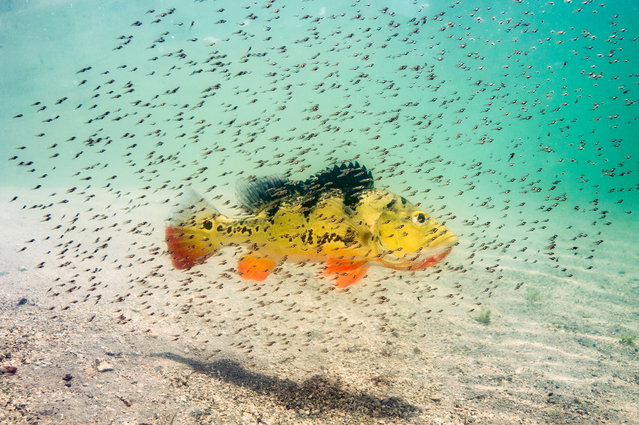
Michael O’Neill won a prize in animal portraits with fry of a peacock bass hovering around their mother for protection against predators in South Florida. (Photo by Michael Patrick O'Neill/2016 National Geographic Nature Photographer of the Year)

Michael O’Neill won a prize in animal portraits with fry of a peacock bass hovering around their mother for protection against predators in South Florida. (Photo by Michael Patrick O'Neill/2016 National Geographic Nature Photographer of the Year)
Details
10 Dec 2016 08:57:00
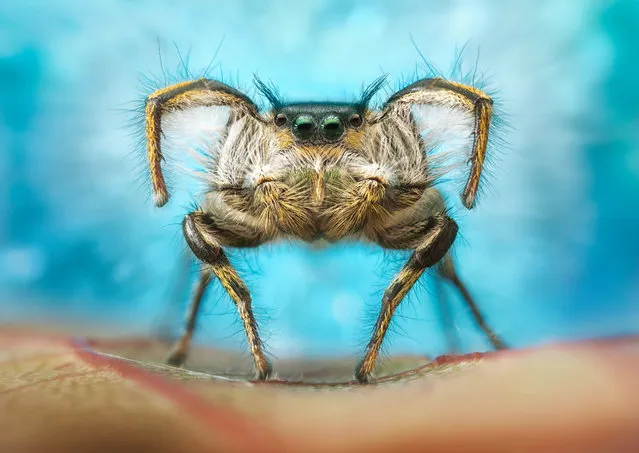
Arachnids category 3rd place: dancing spider by Raed Ammari. Male jumping spiders (in this case a Phidippus insignarius) perform a courtship dance in which they almost form a heart shape with their legs. This one was shot in Colorado. (Photo by Raed Ammari/Luminar Bug Photographer of the Year 2020)

Arachnids category 3rd place: dancing spider by Raed Ammari. Male jumping spiders (in this case a Phidippus insignarius) perform a courtship dance in which they almost form a heart shape with their legs. This one was shot in Colorado. (Photo by Raed Ammari/Luminar Bug Photographer of the Year 2020)
Details
24 Oct 2020 00:03:00
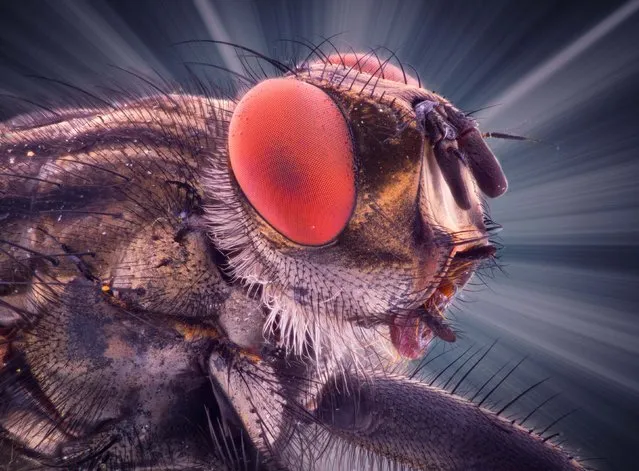
House Fly. (Photo by Kutub Uddin/Caters News)

“Creepy crawlies have become stunning examples of the natural world in these incredible close-up pictures. Photographer Kutub Uddin, 28, snapped the tiny creatures in a forest near his home of Bognor Regis over the course of the summer. Taken in close-up using special macro lenses and filters, he managed to turn house flies, damsel flies and wasps into gorgeous jeweled works of art. Kutub said: “I found the bugs in the forest near where I live when I was taking pictures”. – Cater News
Details
01 Sep 2014 10:29:00