Loading...
Done
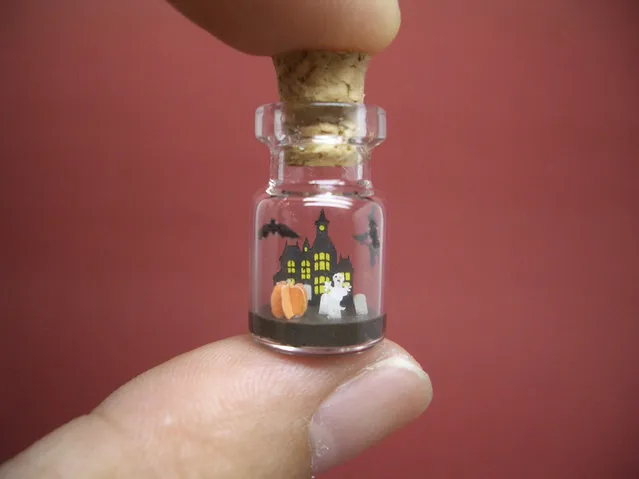
Tiny World In A Bottle (Video)

These tiny worlds created in a tiny glass bottle, literally, are the work of Akinobu Izumi. Akinobu uses paper, clay, wax and resin among other materials to create these intricate miniature worlds.
Details
05 Nov 2016 11:09:00
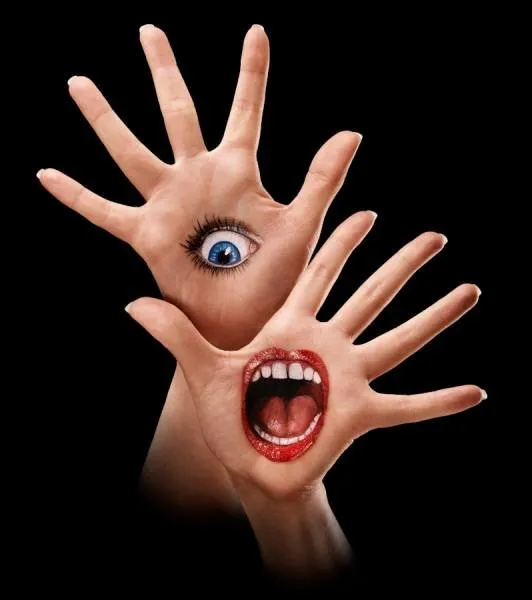
Hands by Ray Massey (Video)

Ray Massey is a London-based photographer who shoots mainly liquids, drinks, hands and still life.

Please Subscribe To: Our Youtube Channel
Details
16 Dec 2016 23:04:00
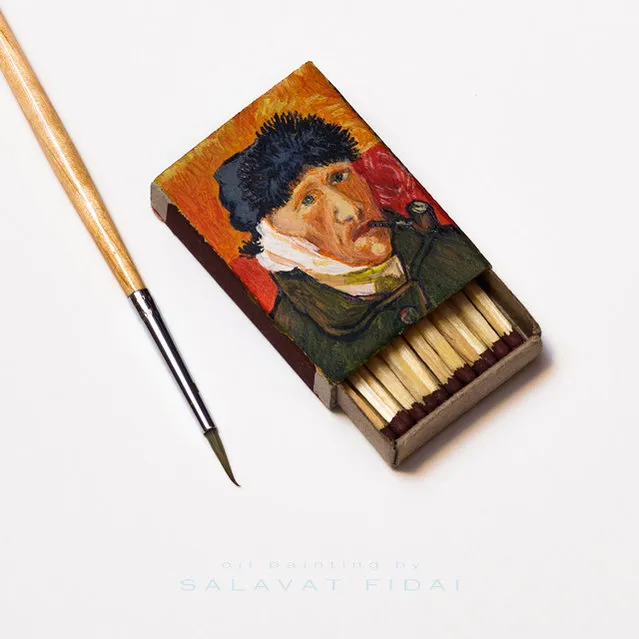
Van Gogh Paintings On Matchboxes By Salavat Fidai

Russian artist Salavat Fidai is obsessed with things in miniature, and he has previously painted miniatures on pumpkin seeds and carved sculptures into the graphite tips of pencils.

Please Subscribe To: Our Youtube Channel
Details
24 Dec 2016 23:21:00


チャラン・ポ・ランタン (Charan-Po Rantan) – フランスかぶれ (ちょっとだけショートヴァージョン)
Details
02 Mar 2019 00:03:00


荻野目洋子 (Yoko Oginome) feat. 登美丘高校ダンス部がコ (Tomioka High School Dance Club) – ダンシング・ヒーロー (Dancing Hero)
Details
21 Jul 2020 00:03:00


바버렛츠 (The Barberettes) – Barbara Ann (Cover of The Beach Boys). The Barberettes is a South Korean retro, doo-wop female group that debuted in 2014 as a trio, and is based in Seoul.
Details
04 Aug 2020 00:03:00


Foghorn Stringband – Reuben's Train. Foghorn Stringband is an old-time string band from Portland, Oregon, United States. They are considered one of the finest old-time string bands on the West Coast.
Details
20 Nov 2019 00:05:00
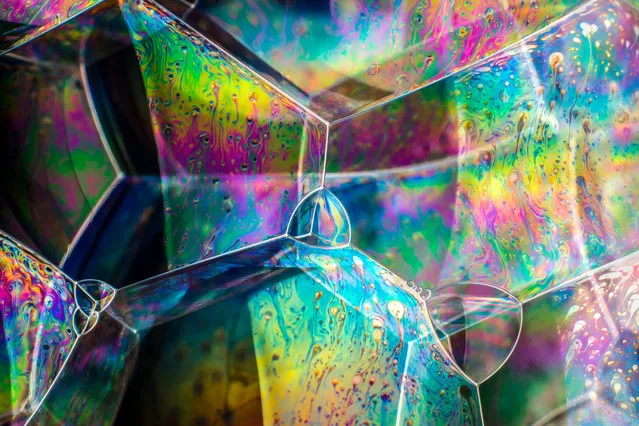
Soap Bubble Structures by Kym Cox. Bubbles optimise space and minimise their surface area for a given volume of air. This phenomenon makes them a useful tool in many areas of research, in particular, materials science and ‘packing’ – how things fit together. Bubble walls drain under gravity, thin at the top, thick at the bottom, which interferes with travelling lightwaves to create bands of colour. Black spots show the wall is too thin for interference colours, indicating the bubble is about to burst. (Photo by Kym Cox/2019 Science Photographer of the Year/RPS)

Soap Bubble Structures by Kym Cox. Bubbles optimise space and minimise their surface area for a given volume of air. This phenomenon makes them a useful tool in many areas of research, in particular, materials science and “packing” – how things fit together. Bubble walls drain under gravity, thin at the top, thick at the bottom, which interferes with travelling lightwaves to create bands of colour. Black spots show the wall is too thin for interference colours, indicating the bubble is about to burst. (Photo by Kym Cox/2019 Science Photographer of the Year/RPS)
Details
15 Aug 2019 00:03:00