Loading...
Done
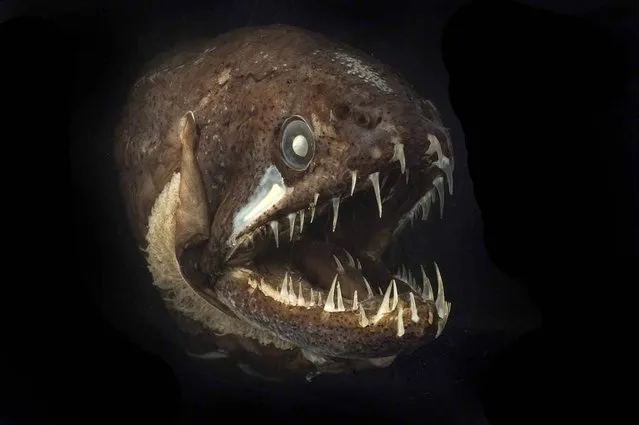
Imagine living in the sea where it is permanently dark, cold, and food is hard to find. For many animals at depth, it may be weeks to months between meals. If you find something to eat, you have to hang on to it

Imagine living in the sea where it is permanently dark, cold, and food is hard to find. For many animals at depth, it may be weeks to months between meals. If you find something to eat, you have to hang on to it. This is why so many deep-sea fishes have lots of big teeth. This dragonfish, spotted off the coast of Australia, even has teeth on its tongue. They would be terrifying animals ... if they weren’t the size of a banana. (Photo by Julian Finn/Museum Victoria)
Details
21 May 2012 12:14:00
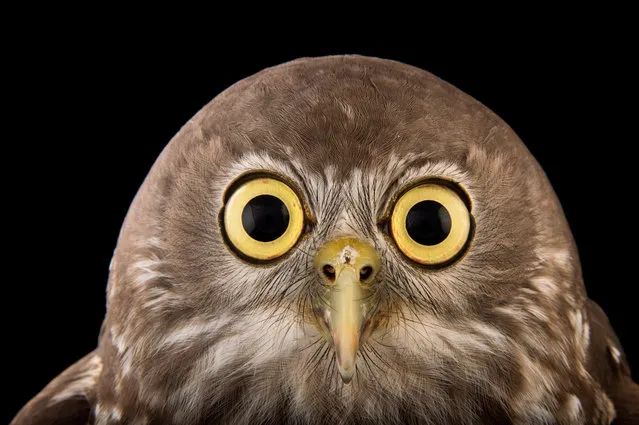
The National Geographic Photo Ark is a travelling exhibition of photographer Joel Sartore’s quest to create a photo archive of biodiversity around the world. So far, Sartore has captured studio portraits of more than 6,000 species – a number that he hopes to double. On 1 July, the ark will open at Melbourne zoo – the first time it has been exhibited in the southern hemisphere. More than 50 portraits will be on display, including many of Australian endangered animals being protected by programs at the zoo itself. These captions have been edited from text supplied by Melbourne zoo. Here: Barking owl. So-named because its call sounds like a barking dog, these birds are native to Australia, Indonesia and Papua New Guinea. In Victoria they are listed as an endangered species, and in 2003 there were estimated to be fewer than 50 breeding pairs. The main threat to the species in Victoria is loss of habitat, especially large trees with hollows in which they can nest and on which many of their prey depend. Apart from a bark, they may utter a chilling scream when they feel threatened. (Photo by Joel Sartore/National Geographic Photo Ark/The Guardian)

The National Geographic Photo Ark is a travelling exhibition of photographer Joel Sartore’s quest to create a photo archive of biodiversity around the world. So far, Sartore has captured studio portraits of more than 6,000 species – a number that he hopes to double. On 1 July, the ark will open at Melbourne zoo – the first time it has been exhibited in the southern hemisphere. More than 50 portraits will be on display, including many of Australian endangered animals being protected by programs at the zoo itself. These captions have been edited from text supplied by Melbourne zoo. Here: Barking owl. (Photo by Joel Sartore/National Geographic Photo Ark/The Guardian)
Details
01 Jul 2017 07:45:00
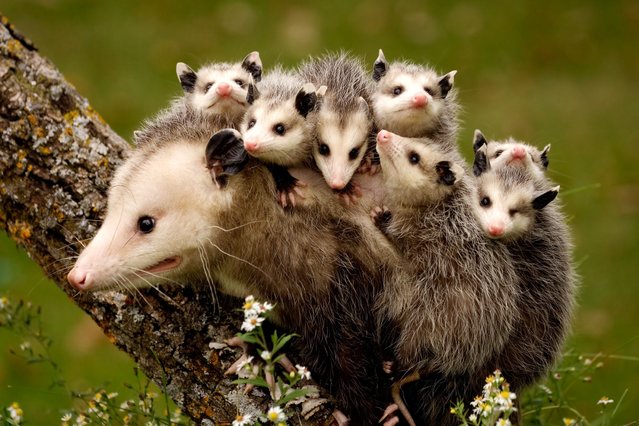
Opossums on their mothers back at a game reserve in Central Minnesota, USA, on September 2, 2013. (Photo by Caters News Agency)

Opossums on their mothers back at a game reserve in Central Minnesota, USA, on September 2, 2013. (Photo by Caters News Agency)
Details
07 Sep 2013 12:05:00
People participate in a Zombie Walk in Sao Paulo, Brazil, November 2, 2016. (Photo by Nacho Doce/Reuters)

People participate in a Zombie Walk in Sao Paulo, Brazil, November 2, 2016. (Photo by Nacho Doce/Reuters)
Details
03 Nov 2016 12:53:00
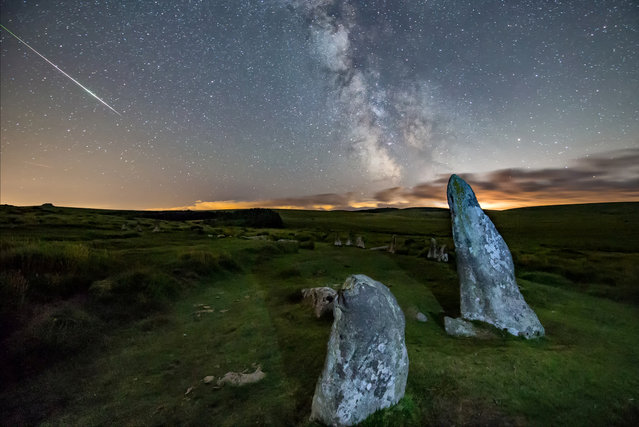
The Perseid Meteor Shower seen over The Scorhill Stone Circle in Dartmoor, Devon on August 2, 2016. (Photo by John Baker/SWNS.com)

The Perseid Meteor Shower seen over The Scorhill Stone Circle in Dartmoor, Devon on August 2, 2016. (Photo by John Baker/SWNS.com)
Details
08 Dec 2016 13:00:00
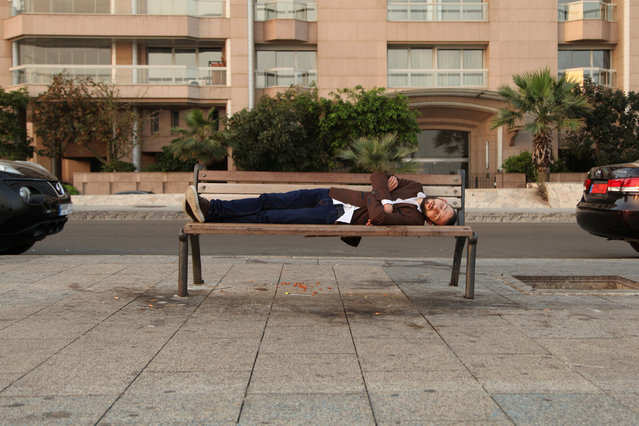
A man sleeps at Beirut's Corniche, a seaside promenade, in Lebanon May 2, 2016. (Photo by Alia Haju/Reuters)

A man sleeps at Beirut's Corniche, a seaside promenade, in Lebanon May 2, 2016. (Photo by Alia Haju/Reuters)
Details
12 Oct 2018 00:01:00
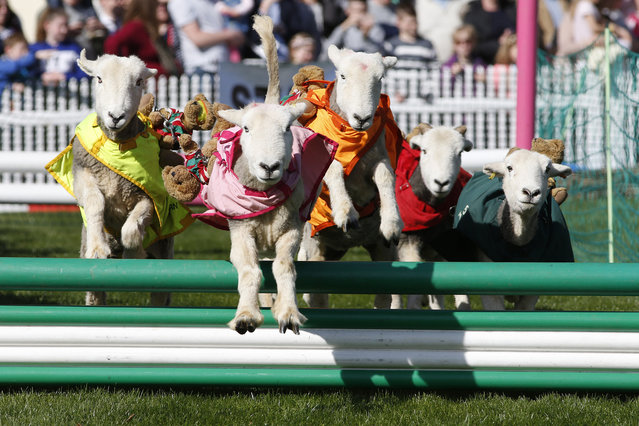
The Lamb National takes place for the racegoers at Ascot Racecourse on April 2, 2017 in Ascot, England. (Photo by Alan Crowhurst/Getty Images)

The Lamb National takes place for the racegoers at Ascot Racecourse on April 2, 2017 in Ascot, England. (Photo by Alan Crowhurst/Getty Images)
Details
23 Dec 2017 07:25:00
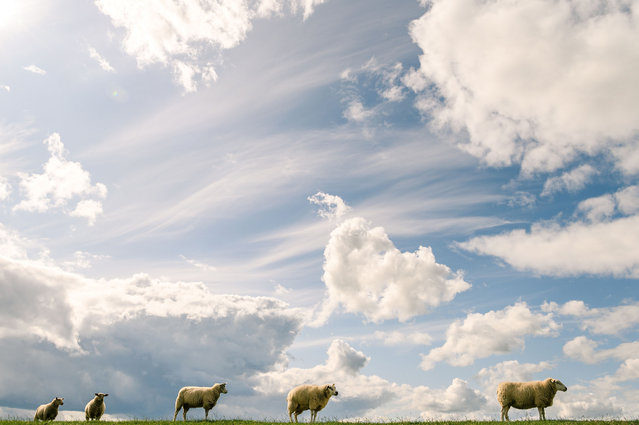
Sheep stand on a dyke as clouds cover the sky over Tossens, northern Germany, on September 2, 2019. (Photo by Mohssen Assanimoghaddam/dpa/AFP Photo)

Sheep stand on a dyke as clouds cover the sky over Tossens, northern Germany, on September 2, 2019. (Photo by Mohssen Assanimoghaddam/dpa/AFP Photo)
Details
24 Dec 2022 03:55:00