Loading...
Done
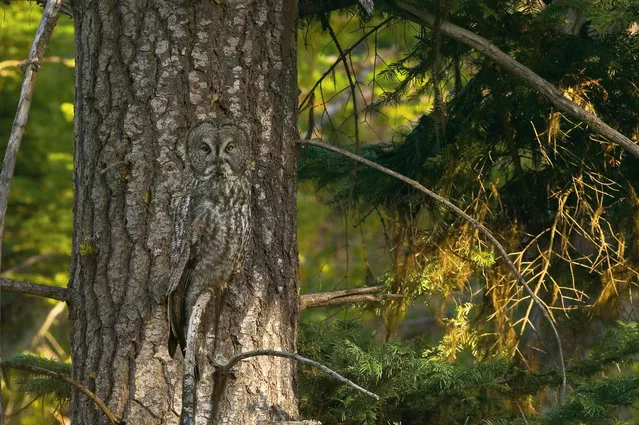
Vanishing Act By Art Wolfe

An amazing series by Art Wolfe that were taken as part of his “Vanishing Act” in which the Seattle-based photographer shows the talent of animals in disguising themselves from predators. “This collection has been a long time in the making. Finding and filming animals on location is an exhilarating and painstaking process. I’m still adding to the project even now”. Have fun spotting the hidden animals.
Details
22 Oct 2013 09:44:00
Sydney Fish Market Begins 36 Hour Seafood Marathon

A fishmonger prepares fresh festive seafood supplies at the Sydney Seafood Market on December 23, 2011 in Sydney, Australia. The annual 36-hour seafood marathon commenced today with thousands of Sydney shoppers expected to flock to the Sydney Seafood Market to find the freshest possible seafood catch for Christmas Day feasts. (Photo by Brendon Thorne/Getty Images)
Details
23 Dec 2011 12:48:00
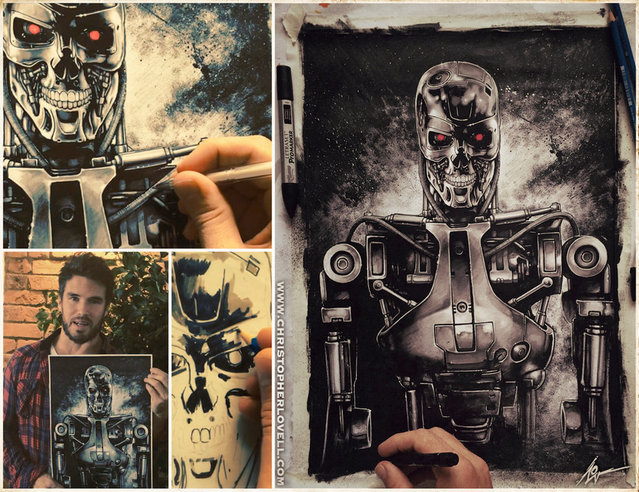
Drawing By Christopher Lovell

Artist Christopher Lovell counts himself lucky to have been a child of the 80s. The toys, cartoons and movies of the era left him spellbound, fueling his imagination. He finds this inspiration allows him to express himself very naturally through his art. Having developed a deep interest in fantasy and sci-fi, he spent his childhood and teen years immersed in every aspect of creativity he could access.
Details
30 May 2015 09:22:00
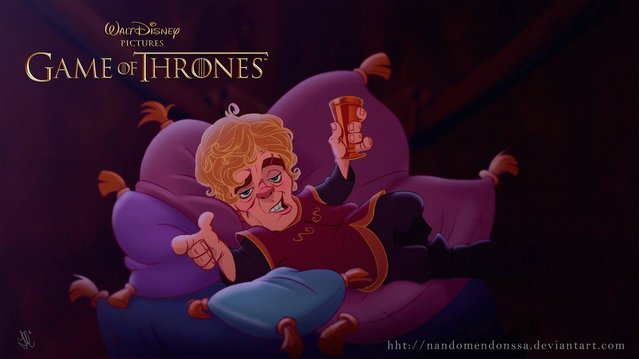
Game Of Thrones Disney Style By Fernando Mendonca And Anderson Mahans

What happens when you combine two of our favorite things, “Game of Thrones” and Disney animation? That's right: magic. Artists Fernando Mendonça and Anderson Mahanski are the ones responsible for the abundance of joy you'll find below and all we can think is, will Disney ever take on Westeros and give us “Mother of Dragons and the 7 Kingdoms”?

Details
08 Aug 2014 12:08:00
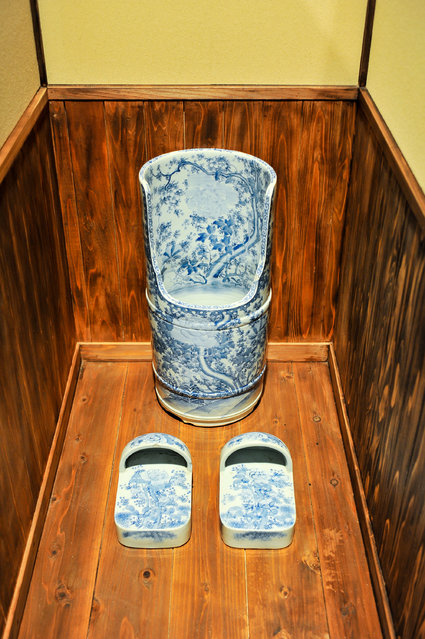
An old toilet is displayed during the “Toilet!? Human Waste and Earth's Future” exhibition at The National Museum of Emerging Science and Innovation – Miraikan on July 1, 2014 in Tokyo, Japan. The exhibition focuses on how the toilet has changed our daily lives and discovers what the most environment-friendly and ideal toilet is. (Photo by Keith Tsuji/Getty Images)

An old toilet is displayed during the “Toilet!? Human Waste and Earth's Future” exhibition at The National Museum of Emerging Science and Innovation – Miraikan on July 1, 2014 in Tokyo, Japan. The exhibition focuses on how the toilet has changed our daily lives and discovers what the most environment-friendly and ideal toilet is. (Photo by Keith Tsuji/Getty Images)
Details
03 Jul 2014 11:34:00


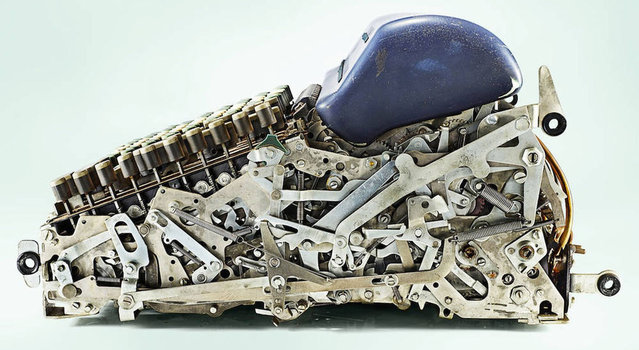
In his newest series of photos called Low Tech, Kevin Twomey artfully captures the complexity of old-style typewriters and similar machines. Despite being completely outdated, you cannot help being amazed at how complicated those “simple” devises really are. Hundreds of little parts were meticulously put together to form a machine that would perform such “basic” functions by today’s standards. Similarly, very few modern people actually think about how complicated the current technology really is. We take for granted streaming videos, GPS, and countless devises that we use every day, while in reality, these things would seem like magic to even the most prominent scientists from only half a century ago. (Photo by Kevin Twomey)
Details
21 Nov 2014 12:42:00
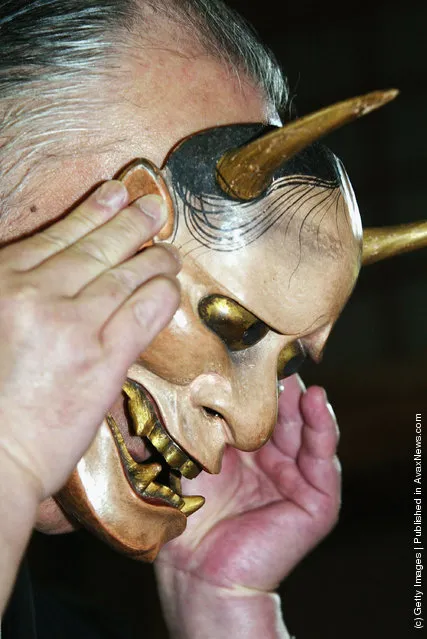
A renowned Noh actor, Otoshige Sakai, demostrates how to put on a Noh mask

“Noh, or Nogaku – derived from the Japanese word for “skill” or “talent” – is a major form of classical Japanese musical drama that has been performed since the 14th century. Many characters are masked, with men playing male and female roles. Traditionally, a Noh “performance day” lasts all day and consists of five Noh plays interspersed with shorter, humorous kyōgen pieces. However, present-day Noh performances often consist of two Noh plays with one Kyōgen play in between”. – Wikipedia

Photo: A renowned Noh actor, Otoshige Sakai, demostrates how to put on a Noh mask, on May 17, 2004 in Tokyo, Japan. (Photo by Koichi Kamoshida/Getty Images)
Details
02 Aug 2011 14:09:00
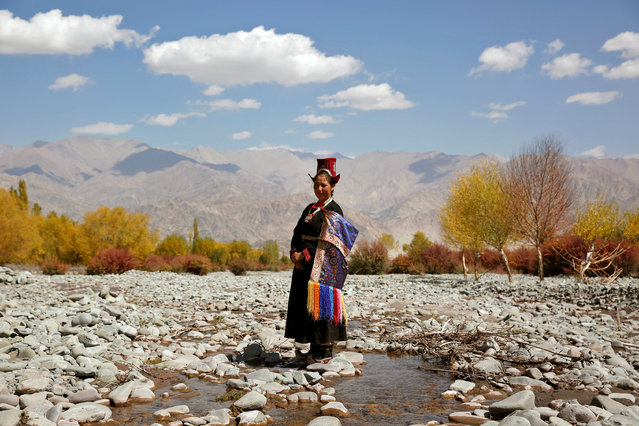
Tsewang Dolma, 33, a farmer and housewife poses for a photograph in Matho, a village nestled high in the Indian Himalayas, India September 29, 2016. When asked how living in the world's fastest growing major economy had affected life, Dolma replied: “Our culture is spoiled now. We don't wear our traditional dress”. (Photo by Cathal McNaughton/Reuters)

Tsewang Dolma, 33, a farmer and housewife poses for a photograph in Matho, a village nestled high in the Indian Himalayas, India September 29, 2016. When asked how living in the world's fastest growing major economy had affected life, Dolma replied: “Our culture is spoiled now. We don't wear our traditional dress”. (Photo by Cathal McNaughton/Reuters)
Details
13 Oct 2016 11:32:00