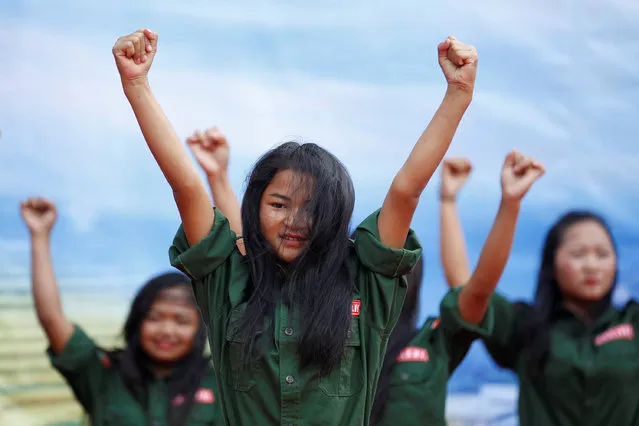
Ethnic Wa performer dressed as United Wa State Army (UWSA) soldiers perform a traditional dance in Mongmao, Wa territory in northeast Myanmar October 1, 2016. (Photo by Soe Zeya Tun/Reuters)
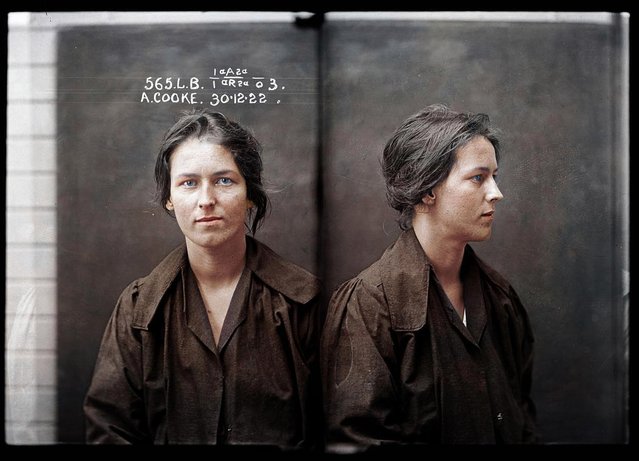
Alice Cooke at the Sydney Women’s Reformatory in 1922. By the time she was 24 Alice Cooke had created an impressive number of aliases and at least two husbands, and was convicted of bigamy and theft. (Photo by My Colorful Past/Mediadrumworld)
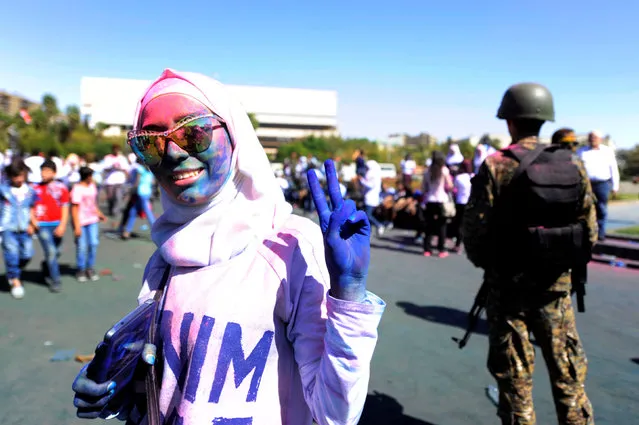
A participant covered in coloured powder gestures as she stands near a Syrian army soldier during “I Love Damascus” marathon at Umayyad Square in Damascus, Syria October 7, 2016. (Photo by Omar Sanadiki/Reuters)
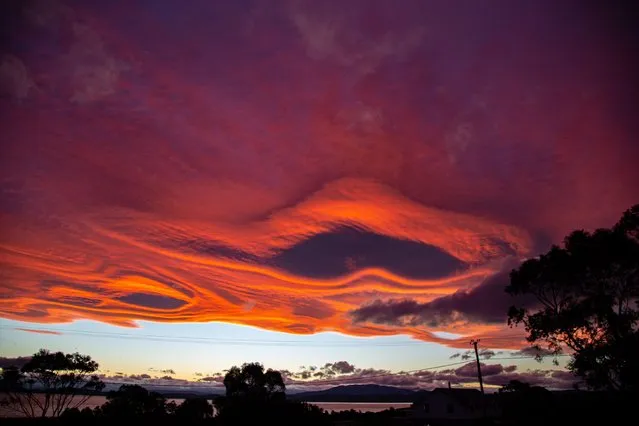
Wayne Painter, 70, saw the sun set beneath lenticular clouds 20km wide in Tasmania, Australia in November 2021. Some likened the image to a near-miss with Mars. (Photo by Wayne Painter/Kennedy News)
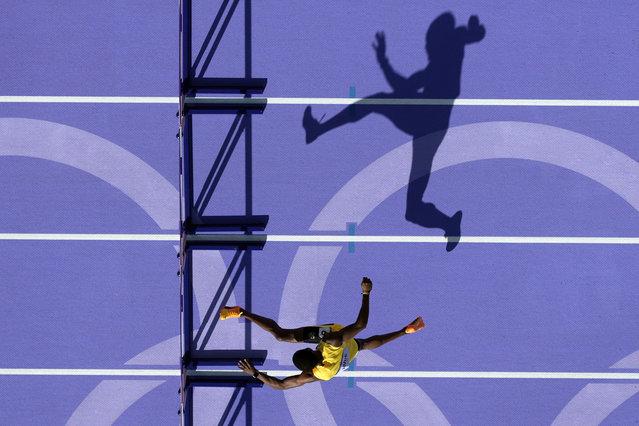
Jaheel Hyde, of Jamaica, competes in a men's 400-meter hurdles heat at the 2024 Summer Olympics, Monday, August 5, 2024, in Saint-Denis, France. (Photo by David J. Phillip/AP Photo)
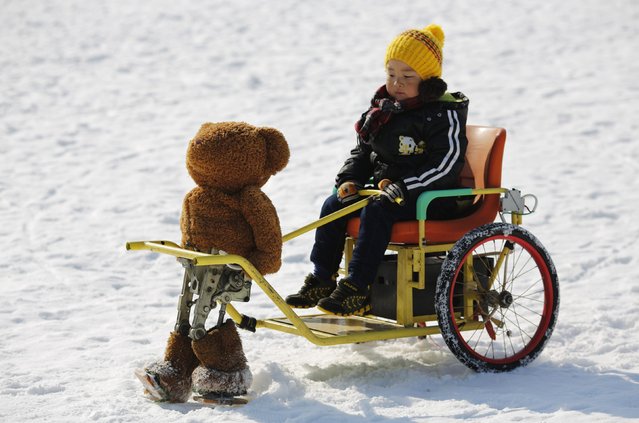
A boy rides on a snow wagon towed by a robot dressed as a Teddy bear, which only moves forward by moving its legs, during the Ice and snow carnival at Taoranting park in Beijing February 9, 2015. (Photo by Kim Kyung-Hoon/Reuters)
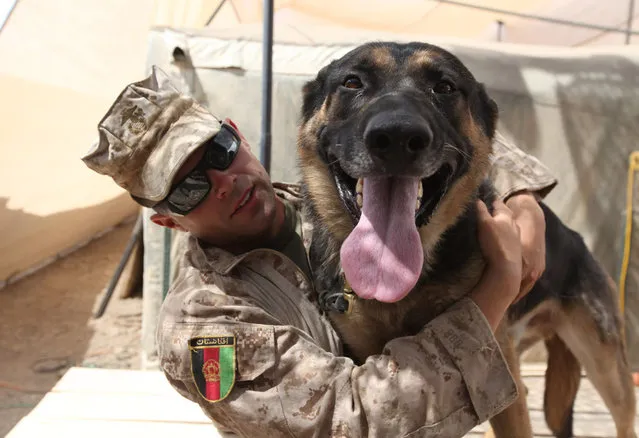
Throughout the course of the long war in Afghanistan, Coalition troops have relied on thousands of military working dogs to help keep them safe, and make their jobs easier. The dogs are trained to detect explosives, to find illegal drugs, to search for missing comrades, or target enemy combatants. Not only are they active on the front lines, but behind the lines they serve as therapy dogs, service dogs, and loyal companions. They also share the same risks as the ground troops, suffering injuries and sometimes death on the battlefields. Gathered here are images of these dogs and their handlers in Afghanistan and back home, from over the past several years, part of the ongoing series here on Afghanistan.