Loading...
Done
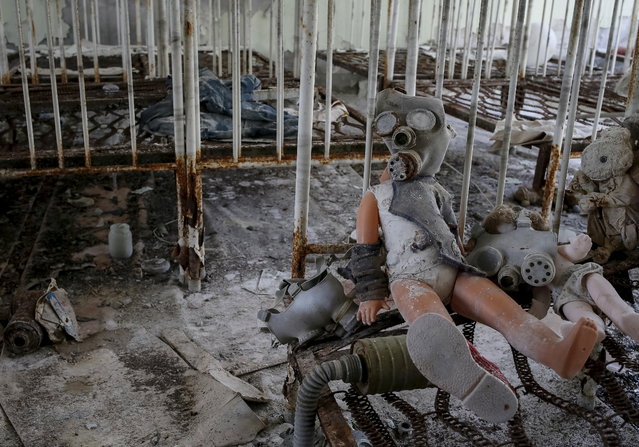
A doll in a children's gas mask is seen amongst beds at a kindergarten in the abandoned city of Pripyat near the Chernobyl nuclear power plant in Ukraine on March 28, 2016. (Photo by Gleb Garanich/Reuters)

A doll in a children's gas mask is seen amongst beds at a kindergarten in the abandoned city of Pripyat near the Chernobyl nuclear power plant in Ukraine on March 28, 2016. Deadly radiation still spews from Chernobyl 30 years after the worst nuclear meltdown in history, as a newly built giant arch is pulled into place to cover the stricken reactor for the next century. (Photo by Gleb Garanich/Reuters)
Details
03 Apr 2016 11:47:00
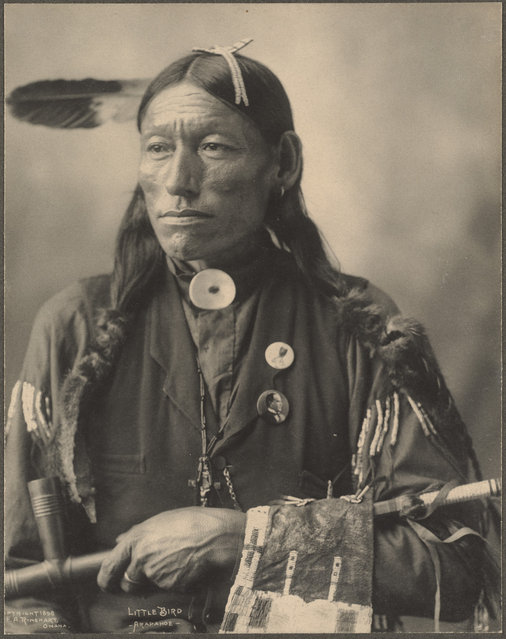
Little Bird, Arapahoe, 1899. (Photo by Frank A. Rinehart)

Frank A. Rinehart, a commercial photographer in Omaha, Nebraska, was commissioned to photograph the 1898 Indian Congress, part of the Trans-Mississippi International Exposition. More than five hundred Native Americans from thirty-five tribes attended the conference, providing the gifted photographer and artist an opportunity to create a stunning visual document of Native American life and culture at the dawn of the 20th century. Photo: Little Bird, Arapahoe, 1899. (Photo by Frank A. Rinehart)
Details
25 Apr 2013 11:30:00
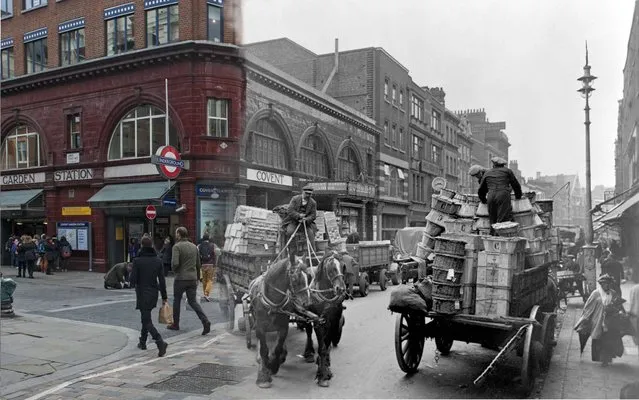
A street scene in London’s Covent Garden with the underground station and a horse and cart in the background in c.1930 and the same street in 2014. (Photo by Museum of London/Streetmuseum app)

“For most Londoners, the most common view they enjoy as they trudge to work is the back of another commuter's head. But now, thanks to the Streetmuseum app, anyone traipsing through the capital's streets can step back in time to see what London looked like in the 19th and 20th century compared with today – all in the same image”. – Joe Krishnan via The Independent. Photo: A street scene in London’s Covent Garden with the underground station and a horse and cart in the background in c.1930 and the same street in 2014. (Photo by Museum of London/Streetmuseum app)
Details
27 Feb 2014 06:48:00
Romain de Tirtoff (Erte) – Symphony In Black

“Romain de Tirtoff (23 November 1892 – 21 April 1990) was a Russian-born French artist and designer known by the pseudonym Erté, the French pronunciation of his initials, R.T. He was a diversely talented 20th-century artist and designer who flourished in an array of fields, including fashion, jewellery, graphic arts, costume and set design for film, theatre, and opera, and interior decor”. – Wikipedia. Photo: Romain de Tirtoff (Erte) – “Symphony In Black” (please click to enlarge).
Details
29 Jan 2014 13:34:00
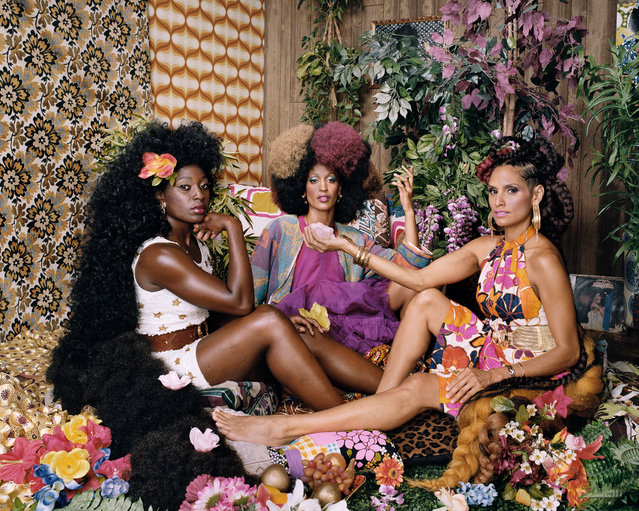
Les Trois Femmes Deux, 2018. (Photo by Mickalene Thomas/Courtesy of Yancey Richardson Gallery, New York)

Vast collection of fine art photography about to open at Pier 24 in Manhattan. One of the world's most prestigious annual photography events, The Photography Show is the longest-running and foremost exhibition dedicated to the photographic medium, offering a wide range of museum-quality work, including contemporary, modern, and 19th-century photographs as well as photo-based art, video, and new media. Here: Les Trois Femmes Deux, 2018. (Photo by Mickalene Thomas/Courtesy of Yancey Richardson Gallery, New York)
Details
04 Apr 2019 00:01:00
La Maison Du Gouffre Or The House Between The Rocks

Castel Meur, also known as La Maison du Gouffre or “the house between the rocks”, is a charming cottage wedged between two huge jagged rocks that has been drawing tourists to the otherwise quiet little village of Plougrescant, located in the department of Côtes-d’Armor in the region of Brittany, in France, since the 19th century.
Details
13 Aug 2015 09:15:00
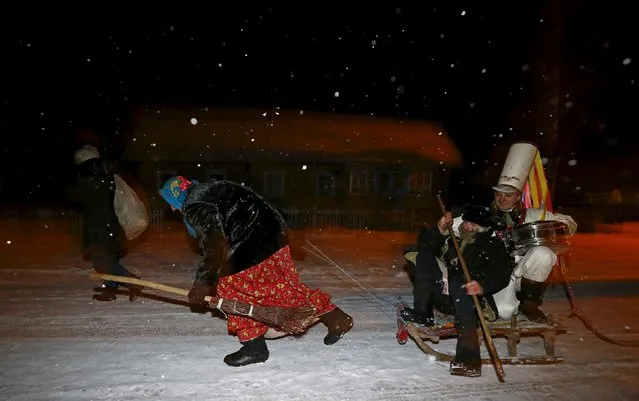
Belarussian villagers perform during a celebration of the "Tsary" rite in the village of Semezhevo, Belarus January 13, 2016. (Photo by Vasily Fedosenko/Reuters)

Belarussian villagers perform during a celebration of the “Tsary” rite in the village of Semezhevo, Belarus January 13, 2016. This unique rite originated from the 18th century, and now takes place only in this village marking the New Year, according to the Julian calendar, on January 13. (Photo by Vasily Fedosenko/Reuters)
Details
15 Jan 2016 08:06:00
Mortsafe - Protection From The Dead

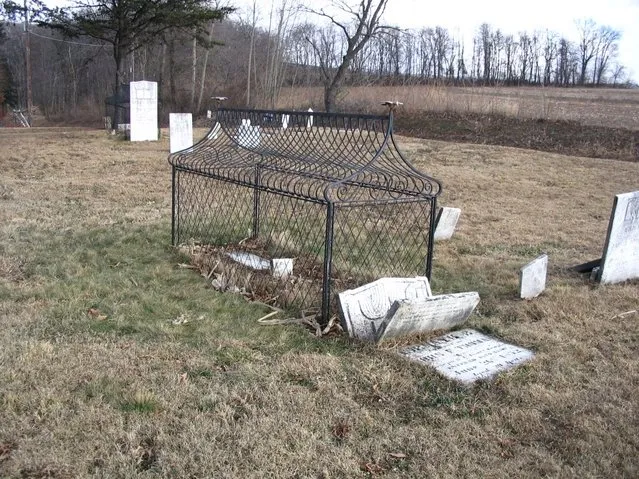
Mortsafes were contraptions designed to protect graves from disturbance. Resurrectionists had supplied the schools of anatomy in Scotland since the early 18th century. This was due to the necessity for medical students to learn anatomy by attending dissections of human subjects, which was frustrated by the very limited allowance of dead bodies – for example the corpses of executed criminals – granted by the government, which controlled the supply.
Details
29 Nov 2013 12:03:00