Loading...
Done
241543903 Heads In Freezer Part 1

241543903 (a.k.a “Heads in Freezers”) is a numerical keyword associated with a photo meme that involves people taking pictures with their heads in the freezer & sharing them online. By tagging a series of image files with a cryptic number, a high level of search engine optimization can be easily achieved. As a result, typing “241543903” into image search engines like Google Images successfully yields pages after pages of pictures showing people’s heads in freezers.
Details
07 Mar 2014 14:24:00
Nail

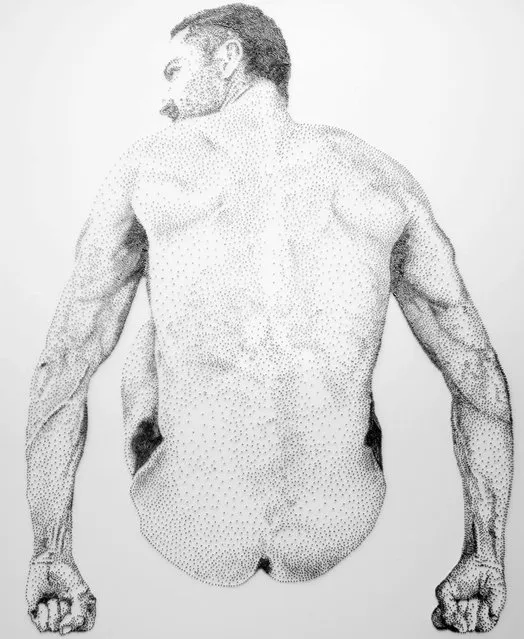
Marcus Levine, who took the skill of hammering some nails into a whole new level. With more than 50,000 nails, he could create some arts on the wall that some people can't even do with a brush and paint.
Details
15 Jul 2012 16:45:00
Open Space Office By Tito Mouraz

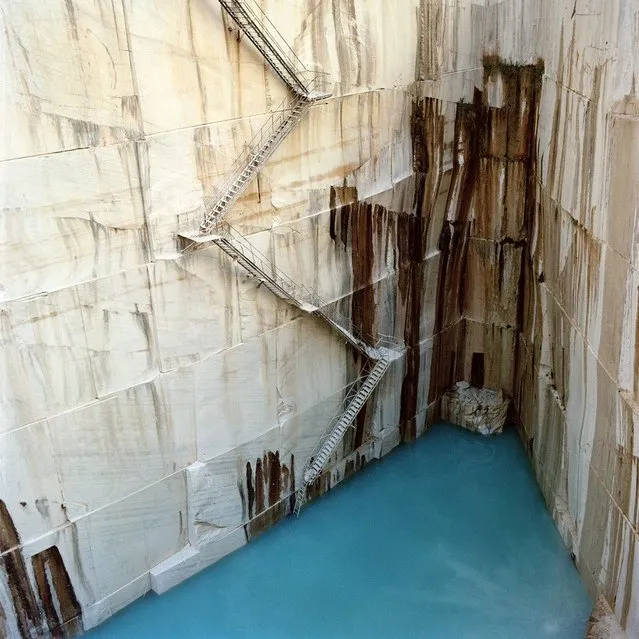
The photos, created by Tito Mouraz in Portugal, look too surreal, and it takes a while to realize that these are actually not painting but reality. The way people can completely transform the terrain is very reminiscent of the way people tend to change themselves. Chip away the granite of their soul, turning it into something that fits their idea of perfection. However, in the end, most of them end up with an obscene parody of beauty, rather than something truly marvelous. The reason for it is probably that people are actually oblivious to the true image of beauty, making them stumble around in the dark, hoping to find something that might not exist at all. (Photo by Tito Mouraz)
Details
30 Oct 2014 13:13:00
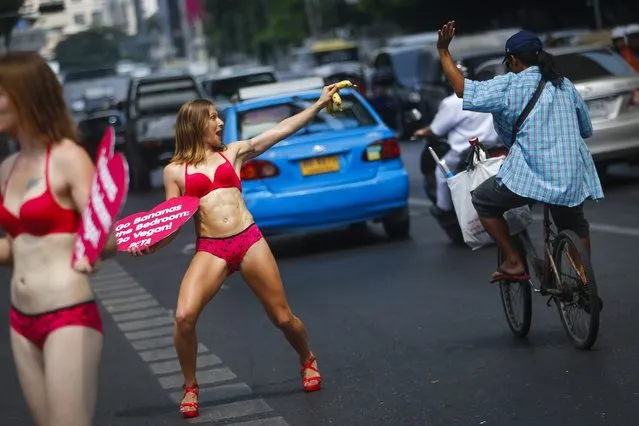
An animal rights activist from People for the Ethical Treatment of Animals (PETA) hands out bananas to motorists at an intersection in Bangkok, Thailand, 12 February 2015. (Photo by Diego Azubel/EPA)

An animal rights activist from People for the Ethical Treatment of Animals (PETA) hands out bananas to motorists at an intersection in Bangkok, Thailand, 12 February 2015. Activists called on people turn to vegetarian saying the cholesterol in meat, eggs and daily products can contribute to hardening of arteries and slow the flow of blood to all the body's vital organs. (Photo by Diego Azubel/EPA)
Details
17 Feb 2015 11:57:00
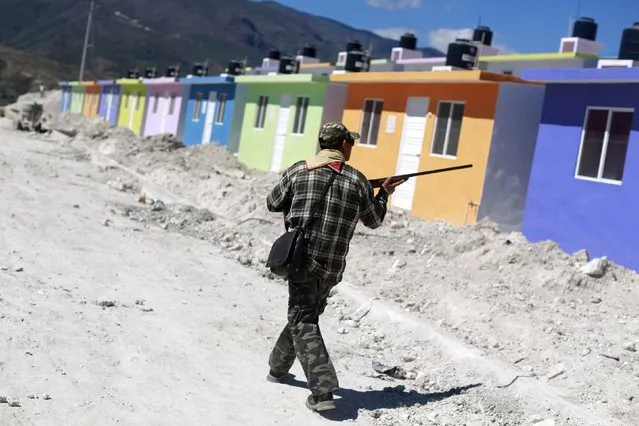
A member of the Community Police of the FUSDEG (United Front for the Security and Development of the State of Guerrero) search for a man, who ran away upon seeing the Community Police approach as they patrolled a street, in the village of Petaquillas, on the outskirts of Chilpancingo, in the Mexican state of Guerrero, February 1, 2015. (Photo by Jorge Dan Lopez/Reuters)

A member of the Community Police of the FUSDEG (United Front for the Security and Development of the State of Guerrero) search for a man, who ran away upon seeing the Community Police approach as they patrolled a street, in the village of Petaquillas, on the outskirts of Chilpancingo, in the Mexican state of Guerrero, February 1, 2015. Approximately 500 members of the Community Police from the FUSDEG took control of the security of the village of Petaquillas on the night of January 30 at the request of the people tired of the actions of organized crime, local media reported. (Photo by Jorge Dan Lopez/Reuters)
Details
03 Feb 2015 13:32:00
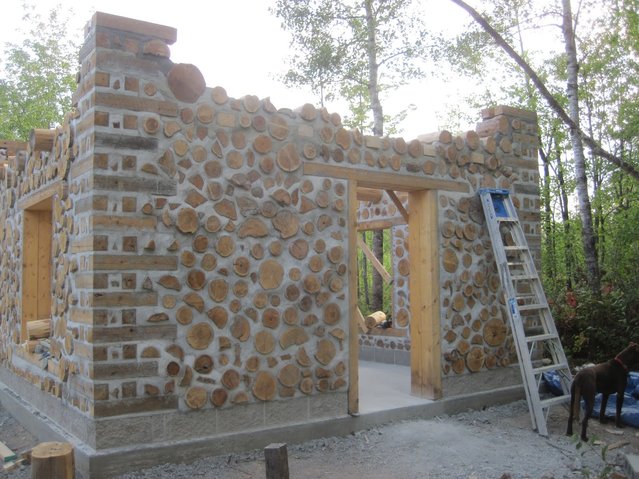
Cordwood Construction - Natural Building

Cordwood construction is a method of natural building that originated roughly one thousand years ago in Greece and Siberia. This method involves using pieces of wood that slightly protrude from the mortar, giving the walls an attractive appearance. Usually, the walls are made 12 to 24 inches thick. However, in some parts of Canada, the walls can be as thick as 36 inches. This method appeals to many people due to its ease of construction economy of resources. Cordwood Construction can be separated into two main types: mortar-insulation-mortar (M-I-M) and Throughwall. M-I-M is a more preferable and widely used choice as it allows for better insulating properties.
Details
27 Nov 2014 15:10:00
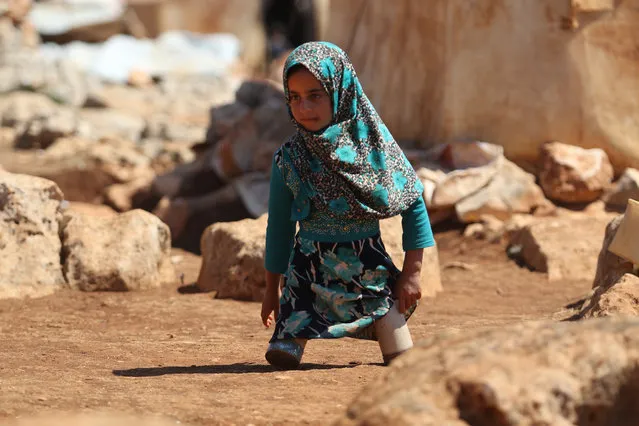
Eight year-old Maya Mohammad Ali Merhi walks using prosthetic legs made by her father from tin cans in a camp for displaced people, in the northern Syrian province of Idlib on June 20, 2018. Maya and her father were both born without lower limbs. Unable to afford real prosthetic limbs, her father made her a pair out of tin cans filled with cotton and scrap pieces of cloth. Maya's family had to leave their home in the Aleppo province to flee battles. (Photo by Aaref Watad/AFP Photo)

Eight year-old Maya Mohammad Ali Merhi walks using prosthetic legs made by her father from tin cans in a camp for displaced people, in the northern Syrian province of Idlib on June 20, 2018. Maya and her father were both born without lower limbs. Unable to afford real prosthetic limbs, her father made her a pair out of tin cans filled with cotton and scrap pieces of cloth. Maya's family had to leave their home in the Aleppo province to flee battles. (Photo by Aaref Watad/AFP Photo)
Details
09 Aug 2018 00:01:00
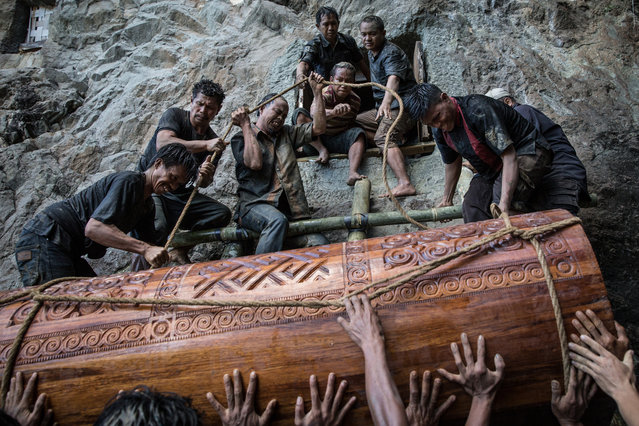
It is said that Torajans are people who “live to die”. For this Indonesian ethnic group, funerals are such extravagant events that they sometimes attract tourists. Families can postpone burials years (and the deceased are considered sick and hosted at home until the funeral) until the family can raise enough money and gather as many relatives as possible. And then it’s a jubilant multiday social event with a parade, dances and animal sacrifices. Agung Parameswara photographed these funerary practices when he traveled to South Sulawesi province, where the Torajans live. But often, their funeral isn’t the last time the dead are seen. In August, crypts are opened, coffins are slid back out and bodies delicately unsheathed. This tender ritual is known as Ma’Nene, which is customarily performed every few years. (Photo by Agung Parameswara/The Washington Post)

It is said that Torajans are people who “live to die”. For this Indonesian ethnic group, funerals are such extravagant events that they sometimes attract tourists. Families can postpone burials years (and the deceased are considered sick and hosted at home until the funeral) until the family can raise enough money and gather as many relatives as possible. And then it’s a jubilant multiday social event with a parade, dances and animal sacrifices. Agung Parameswara photographed these funerary practices when he traveled to South Sulawesi province, where the Torajans live. (Photo by Agung Parameswara/The Washington Post)
Details
06 Oct 2016 09:15:00