Loading...
Done
Shironeko, The Relaxed Cat Part 2

Shironeko, also known as “Basket Cat”, is a Turkish van cat called “Shiro”, which is best known for his extremely relaxed demeanor and ability to balance things on his head, similar to Oolong the Pancake Bunny. The cat has been given several nicknames by its fans, most notably “Basket Cat” and “Zen Cat.”
Details
09 Apr 2014 08:55:00
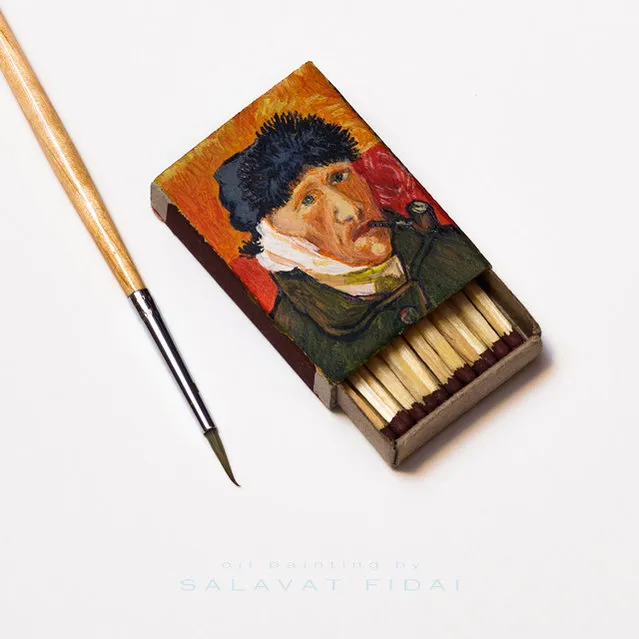
Van Gogh Paintings On Matchboxes By Salavat Fidai

Russian artist Salavat Fidai is obsessed with things in miniature, and he has previously painted miniatures on pumpkin seeds and carved sculptures into the graphite tips of pencils.

Please Subscribe To: Our Youtube Channel
Details
24 Dec 2016 23:21:00


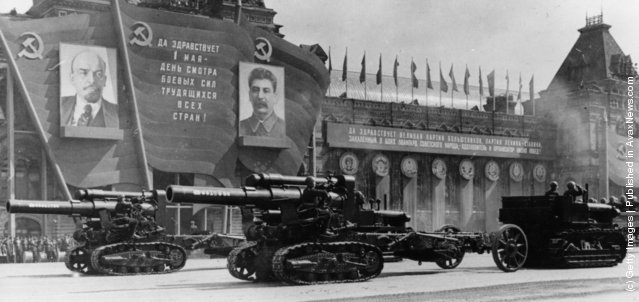
Heavy artillery on parade during a review of the Moscow Garrison troops during the May Day celebrations in Red Square, passing posters of Lenin and Stalin. (Photo by N. Sitnikov/Hulton Archive/Getty Images). 1st May 1947
Details
30 Apr 2011 10:33:00


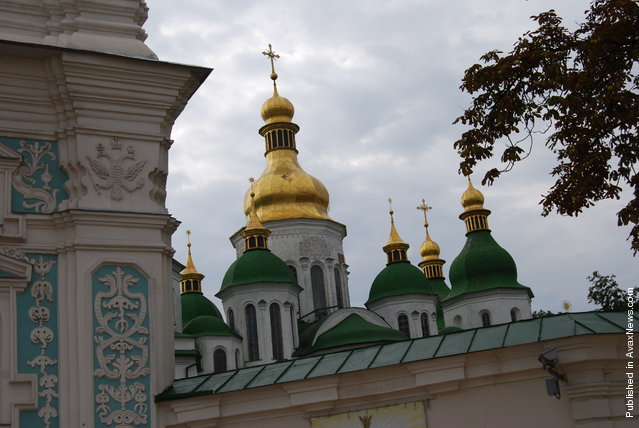
In 2012 in Kiev will pass European Football Championship. The history of Kiev, the largest city and the capital of Ukraine, is documented as going back at least 1400 years...
Details
02 Aug 2011 16:29:00
Shironeko, The Relaxed Cat Part 1

Shironeko, also known as “Basket Cat”, is a Turkish van cat called “Shiro”, which is best known for his extremely relaxed demeanor and ability to balance things on his head, similar to Oolong the Pancake Bunny. The cat has been given several nicknames by its fans, most notably “Basket Cat” and “Zen Cat.”
Details
07 Apr 2014 11:56:00
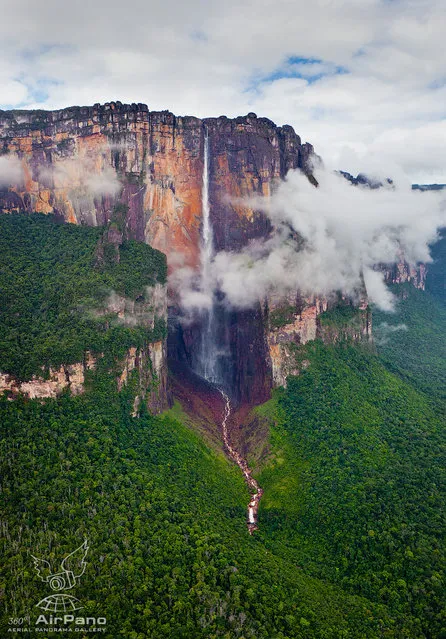
Angel Waterfall Of Venezuela  By Dima Moiseenko

Angel Falls is the world’s highest waterfall as well as the inspiration for Paradise Falls in the Pixar film Up. Unless you’re planning on visiting the falls in the heart of Venezuela in person, the next best thing might be this stunning series of 360° aerial panoramas recently captured by photographer Dmitry Moiseenko over two days from a helicopter. Pan around, zoom into the scene, and become immersed in the otherworldly landscapes found at Angel Falls.
Details
06 Nov 2013 10:58:00
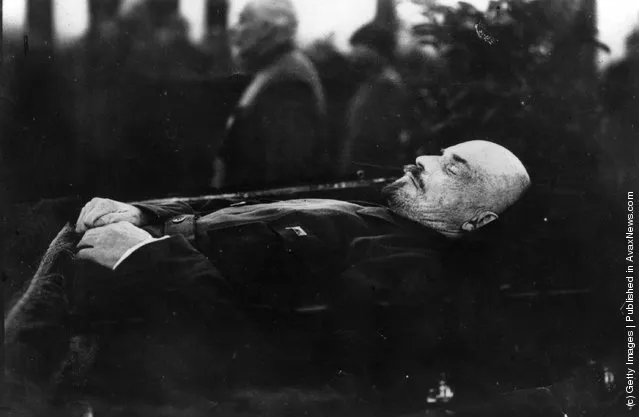
1924:  Vladimir Ilyich Lenin lying in state in the Kremlin

Photo: Vladimir Ilyich Lenin (1870 – 1924) lying in state in the Kremlin. (Photo by Hulton Archive/Getty Images). 1924

Important! For the same article in Russian language click here.

Something quite intriguing is happening within Russian-speaking internet during the last few – should you type a fully academic inquiry (at least, according to Russian academic requirements) in national search engines for "Lenin's mausoleum" – the first thing you get (even in top 10 searches) is website pages talking about black magic and occult. Website authors view this construction differently, but unconditionally agree on one thing: the mausoleum of the "leader of the world proletariat” – the essence of a magical artifact, a sort of “energy vampire”. It was built with a certain purpose: to drain the energy out of miserable Soviet citizens on one hand; and to poison the anthroposphere of one-sixth part of the earth with its vibes (the exact territory that was occupied by the former Soviet Union), depriving the Russian people of will to resist on the other hand. Complete nonsense? No doubt. Nevertheless, an intriguing one. Well, probably because some oddities do exist in mausoleum's history. These oddities are the thing we are going to discuss this time. First, let me refresh you memory on the subject.
Details
16 Oct 2011 11:27:00
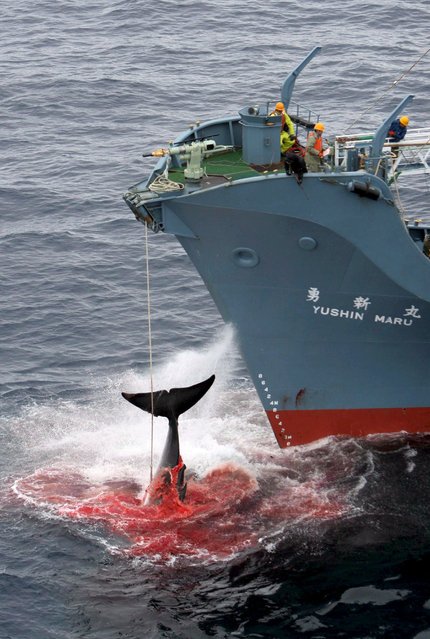
A file photograph dated 07 January 2006 and released by Greenpeace, showing the Yushin Maru, a factory ship in a Japanese whaling fleet, injuring a whale with it's first harpoon attempt. A UN court in The Hague on 31 March 2014 halted Japan's much-criticized whaling programme, ruling that it contravenes a 1986 moratorium on whale hunting. Japan must end its 'research whaling' programme, the International Court of Justice (ICJ) said. (Photo by Kate Davison/EPA)

A file photograph dated 07 January 2006 and released by Greenpeace, showing the Yushin Maru, a factory ship in a Japanese whaling fleet, injuring a whale with it's first harpoon attempt. A UN court in The Hague on 31 March 2014 halted Japan's much-criticized whaling programme, ruling that it contravenes a 1986 moratorium on whale hunting. Japan must end its 'research whaling' programme, the International Court of Justice (ICJ) said. Japan said the programme was for scientific research and permitted under international conventions. Australia had brought the case to the ICJ in 2010, charging that Japan was breaching international law by killing hundreds of whales every year for commercial purposes. Japan was “deeply disappointed” by the ruling, an unnamed government official was quoted by the Kyodo News agency as saying. But the official said Japan would stand by the ruling. (Photo by Kate Davison/EPA)

Details
01 Apr 2014 08:38:00