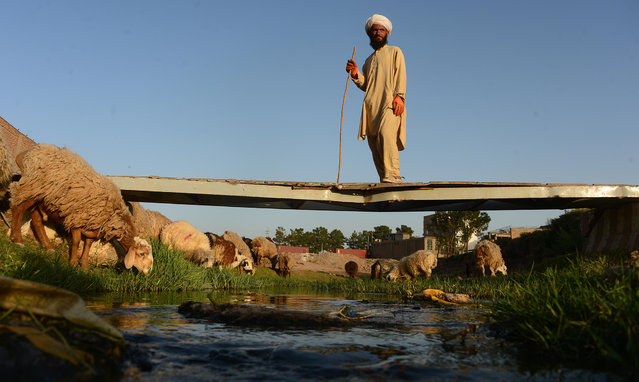
In this photograph taken on August 25, 2016, an Afghan shepherd watches over his sheep as they graze on the outskirts of Herat. (Photo by Aref Karimi/AFP Photo)
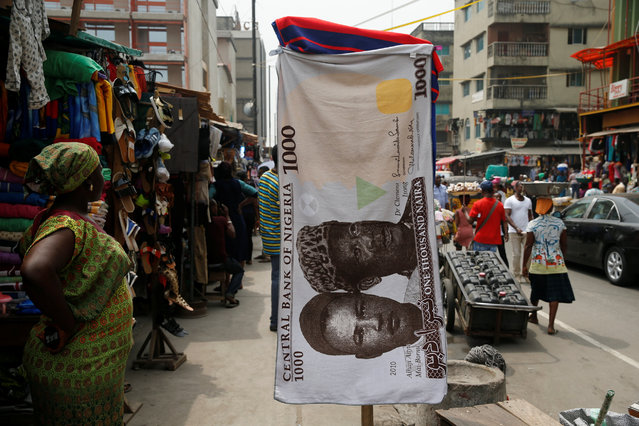
A towel with a print of the Nigerian naira is displayed for sale at a street market in the central business district in Nigeria's commercial capital Lagos February 4, 2016. (Photo by Akintunde Akinleye/Reuters)
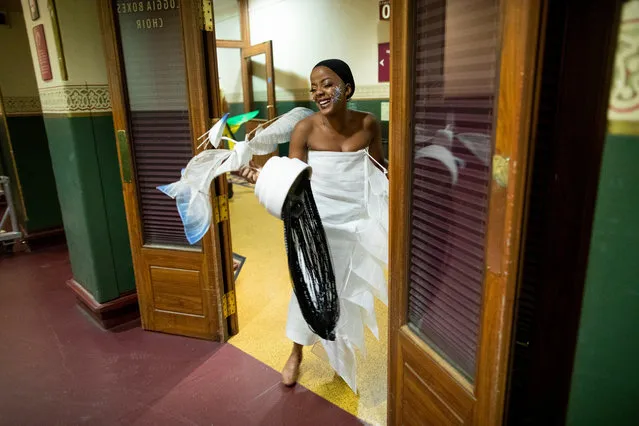
A cast member from The Lion King goes to take up her position for the performance during The Olivier Awards 2019 with Mastercard at the Royal Albert Hall on April 07, 2019 in London, England. (Photo by David Levene/The Guardian)
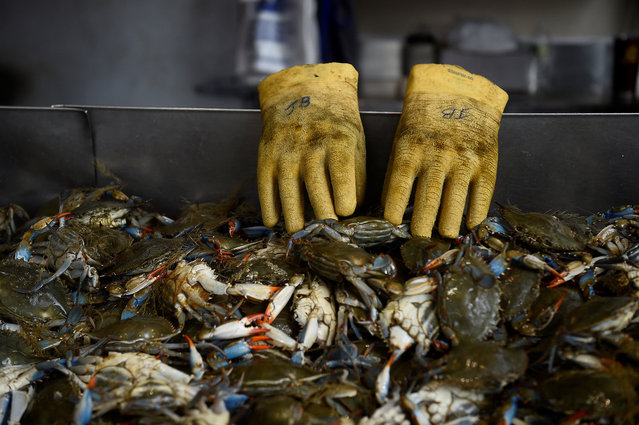
Empty gloves are seen at the side of a tray of Maryland Blue Crabs at Maine Avenue Fish Market which is the United States oldest fish market in continual operation since 1805, in Washington, U.S., May 6, 2019. (Photo by Clodagh Kilcoyne/Reuters)
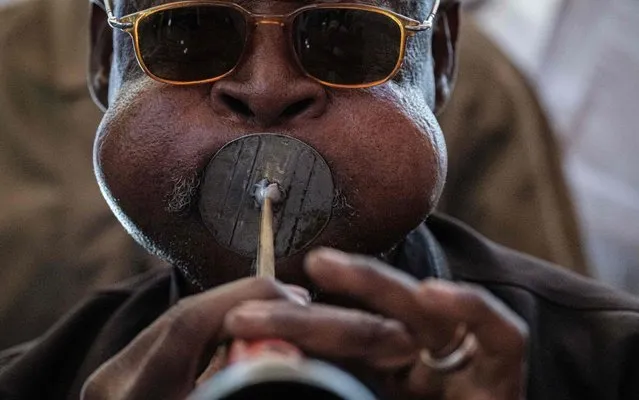
A Sudanese man plays a local music instrument ahead of a meeting with Mohamed Hamdan Dagalo, also known as Himediti, deputy head of Sudan's ruling Transitional Military Council (TMC) and commander of the Rapid Support Forces (RSF) paramilitaries, in the capital Khartoum on June 18, 2019. (Photo by AFP Photo/Stringer)
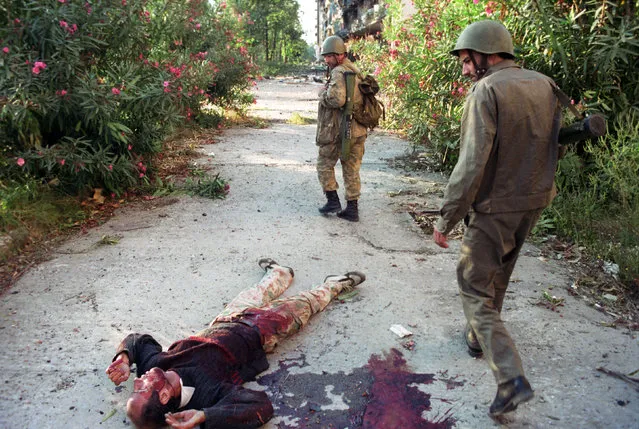
The War in Abkhazia from 1992 to 1993 was fought between Georgian government forces for the most part, and Abkhaz separatist forces, Russian armed forces and North Caucasian militants. Ethnic Georgians who lived in Abkhazia fought largely on the side of Georgian government forces. Ethnic Armenians and Russians within Abkhazia's population largely supported the Abkhazians, and many fought on their side. The separatists received support from thousands of North Caucasus and Cossack militants and from the Russian Federation forces stationed in and near Abkhazia. Here: Abkhazia. Sukhumi, 1993. A house-to-house combat. (Photo by Andrei Solovyov/ITAR-TASS)