Loading...
Done
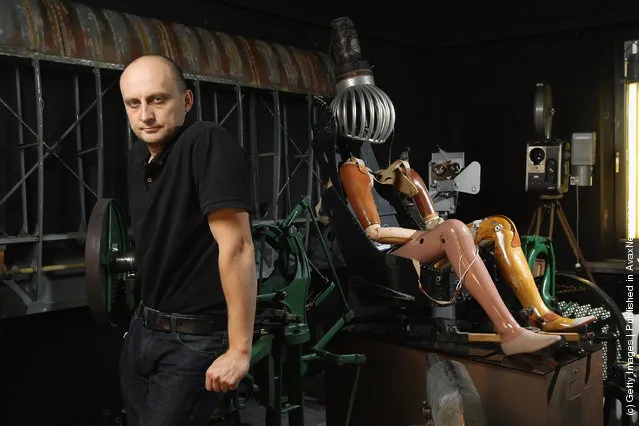
Designpanoptikum, Museum For Extraordinary Objects

Russian-born artist Vlad Korneev poses for a picture in his museum called “Designpanoptikum, Museum For Extraordinary Objects” on November 4, 2010 in Berlin, Germany. The museum displays objects whose outward appearance was determined by function rather than form, he says, and are the result of a collection he started while accumulating props for his photographic works. (Photo by Sean Gallup/Getty Images)
Details
12 Aug 2011 11:37:00
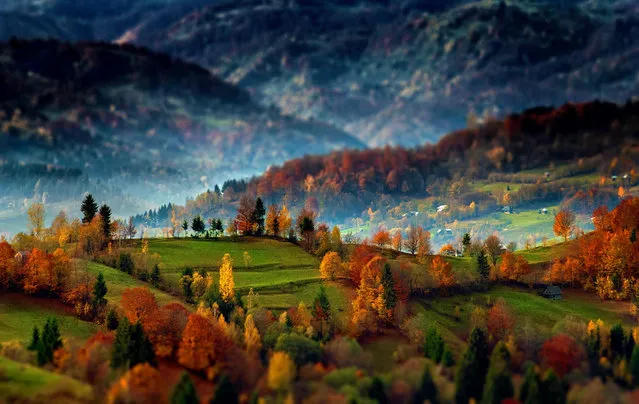
The Beautiful Landscapes By Alex Robciuc

They say the great photographers are out of bed before sunrise and always late for dinner. Photographer Alex Robciuc does just that; waking at 5 AM to capture the gorgeous morning light spilling over a small county in Transylvania, Romania. This dedication to early rising and sticking around for the "perfect light" has offered Alex some seriously beautiful landscape images.
Details
24 Jun 2015 08:26:00
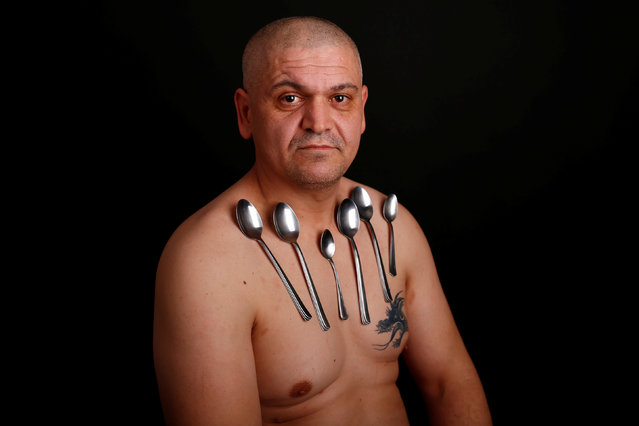
Nermin Halilagic, 38, poses with kitchen utensils in Bihac, Bosnia and Herzegovina, January 23, 2017. (Photo by Dado Ruvic/Reuters)

Nermin Halilagic, 38, poses with kitchen utensils in Bihac, Bosnia and Herzegovina, January 23, 2017. Halilagic discovered earlier this year that he had the unusual ability to attach items to his body using what he says is a special energy radiated from his body. (Photo by Dado Ruvic/Reuters)
Details
26 Jan 2017 12:52:00
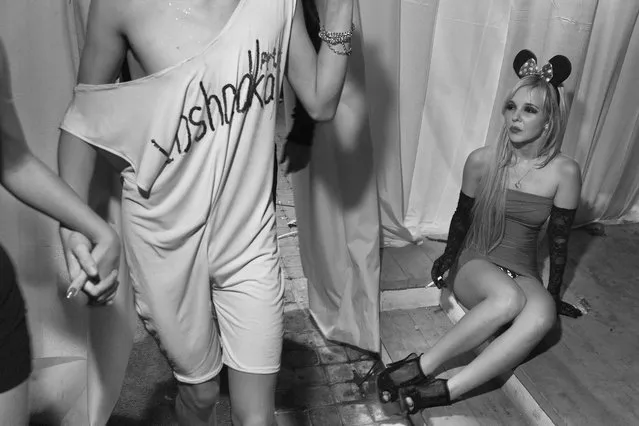
A Loshadka party in St. Petersburg, 2010. (Photo by Alexander Lepeshkin)

Photographer Alexander Lepeshkin spends whole nights at Clumba parties, or costume parties where the young creatives of Russia put on their most flashy and drink. His photos capture candid moments of alcohol-enhanced connections and collapses, but he says he’s not a party photographer – he’s a youth photographer. Photo: A Loshadka party in St. Petersburg, 2010. (Photo by Alexander Lepeshkin)
Details
04 Sep 2014 08:26:00
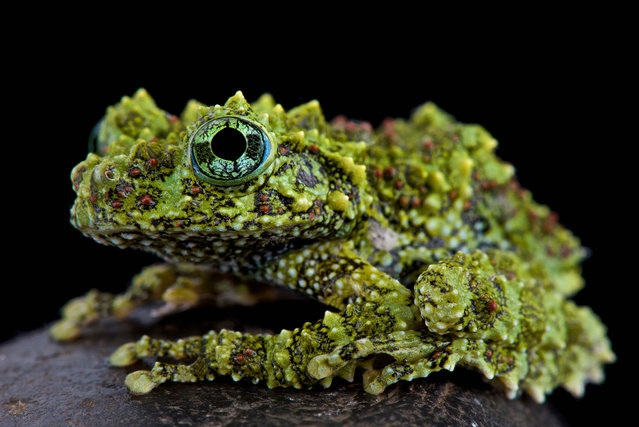
Mossy frog (Theloderma corticale). (Photo by Matthijs Kuijpers/The Guardian)

Renowned amphibian and reptile photographer Matthijs Kuijpers has released his first book, “Cold Instinct”. Kuijpers says the aim of the work is “for the viewer to abandon the fear and negative thoughts that often surround these animals”. What’s left is the bizarre beauty of these creatures in their simplest form – no backgrounds and no distractions. Here: Mossy frog (Theloderma corticale). (Photo by Matthijs Kuijpers/The Guardian)
Details
10 May 2019 00:03:00
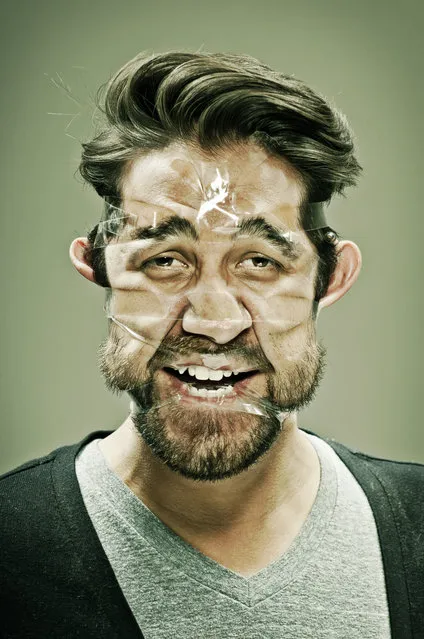
Scotch Tape by Wes Naman

Photographer Wes Naman has created portraits of his friends using Scotch Tape to distort their features. The results are similar to Scottish artist Douglas Gordon's 1997 work, Monster, but Wes says he originally got the idea after applying tape to himself to test a lighting rig set-up. Wes Naman has been a self taught photographer of ten years before graduating from commercial photography in his home in North Carolina. (Photo by Wes Naman/Rex Features)
Details
21 Dec 2012 10:00:00


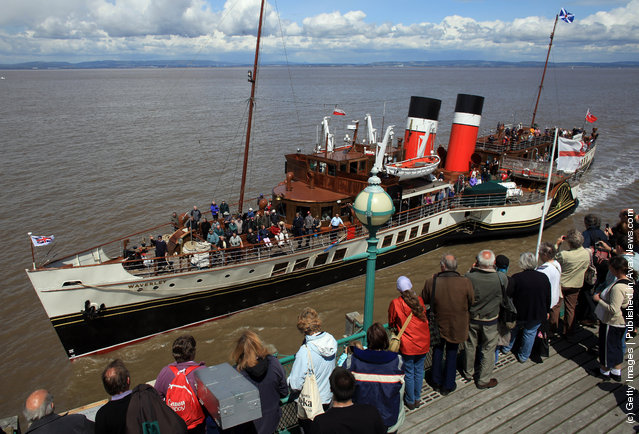
Passengers watch as The Waverley, the world's last remaining seagoing passenger paddle steamer arrives at Clevedon Pier on June 10, 2011 in Clevedon, England. Built in 1946, the trust which owns and operates the Waverley, is warning that this could be the last season for the vessel and is appealling for more public funding saying it is struggling to make ends meet in the current financial climate due in part to rising fuel costs. Restored in 1973 after service on Loch Long in Scotland, since 2003, Waverley has been listed in the British National Register of Historic Ships core collection as 'a vessel of pre-eminent national importance'. (Photo by Matt Cardy/Getty Images)
Details
11 Jun 2011 12:02:00
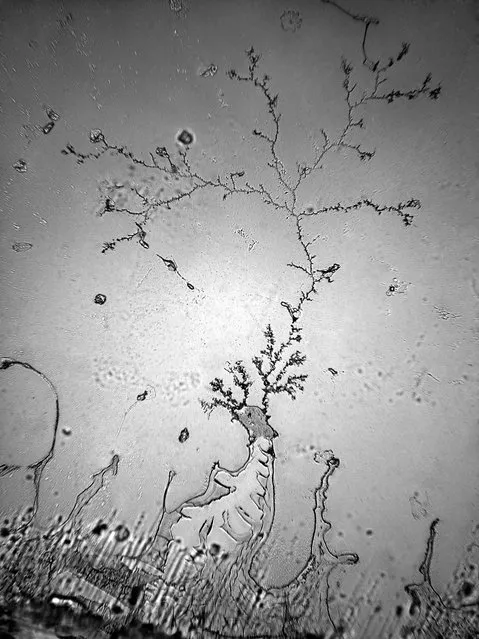
The Topography Of Tears By Rose-Lynn Fisher

Do tears of joy look the same as ones of woe—or ones from chopping onions? In “The Topography of Tears,” the Los Angeles-based photographer Rose-Lynn Fisher explores the physical terrain of one hundred tears emitted during a range of emotional states and physical reactions. Using a Zeiss microscope with an attached digital camera, she captures the composition of tears enclosed in glass slides, magnified between 10x and 40x. “There are many factors that determine the look of each tear image, including the viscosity of the tear, the chemistry of the weeper, the settings of the microscope, and the way I process the images afterwards,” she says.
Details
21 May 2014 17:46:00