Loading...
Done
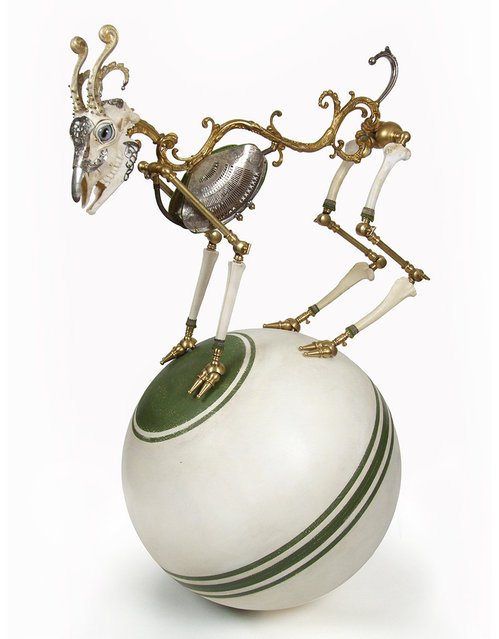
Sculpture By Jessica Joslin

More great and peculiar work from Chicago based sculptor Jessica Joslin. Joslin assembles her hybrid creatures from objects found in obscure junk shops, flea markets, attics, taxidermy supply houses, specialty hardware distributors…or even just walking through the woods. “Miniature machine bolts, springs and couplings comprise anatomical structures. Many of the beasts have hidden movements: a spring loaded beak, snapping jaws, jointed legs and adjustable tails. Some creatures are free-standing but have mechanisms to allow for movement or multiple positions.”
Details
03 Nov 2013 14:28:00
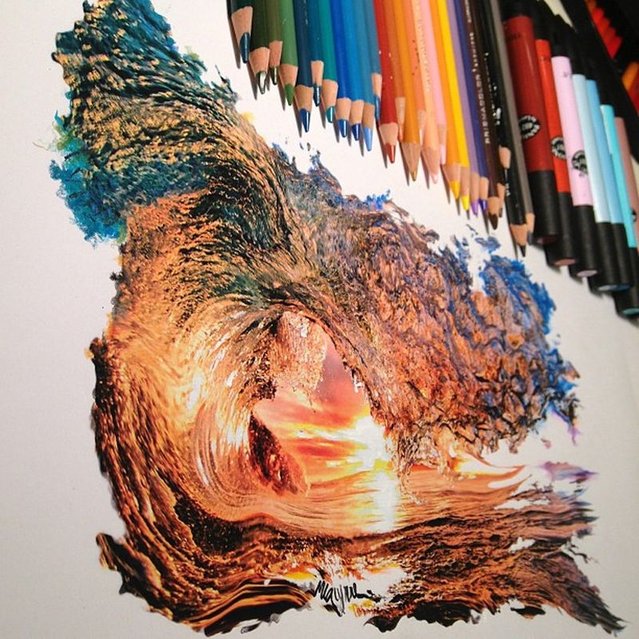
"Hyperrealism Drawings With Pencil By Karla Mialynne

Hyperrealism with pencil by Karla Mialynne. Her impressing paintings are mostly created with watercolor pencils, colored markers and acrylic paint.
Details
20 Nov 2013 10:13:00
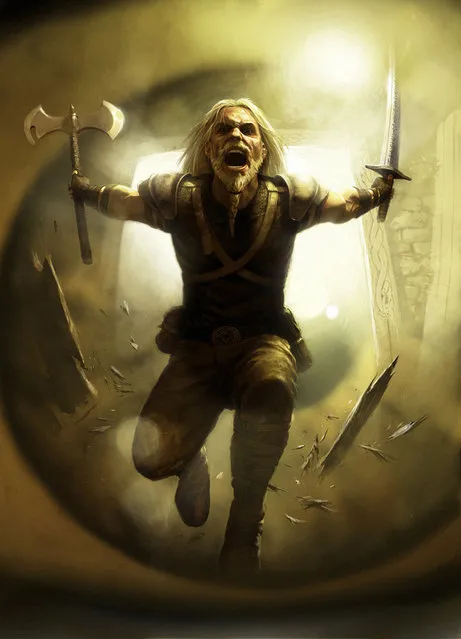
Illustration by Chase Stone

Chase Stone has been working as a freelance illustrator and concept artist for several years. His work has been featured at the Society of Illustrators and in various publications such as 2dartist Magazine, Digital Masters, and Digital Painting Techniques. Stone now lives and works in NYC.
Details
24 Feb 2014 12:26:00


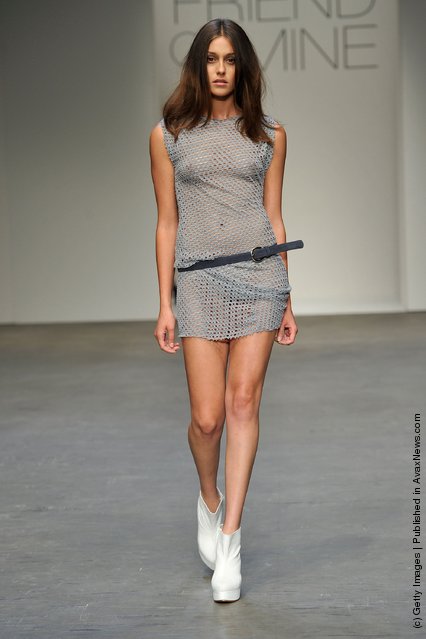
A model showcases designs by Friend Of Mine on the catwalk during Rosemount Australian Fashion Week Spring/Summer 2011/12 at Overseas Passenger Terminal on May 2, 2011 in Sydney, Australia. (Photo by Stefan Gosatti/Getty Images)
Details
02 May 2011 10:49:00
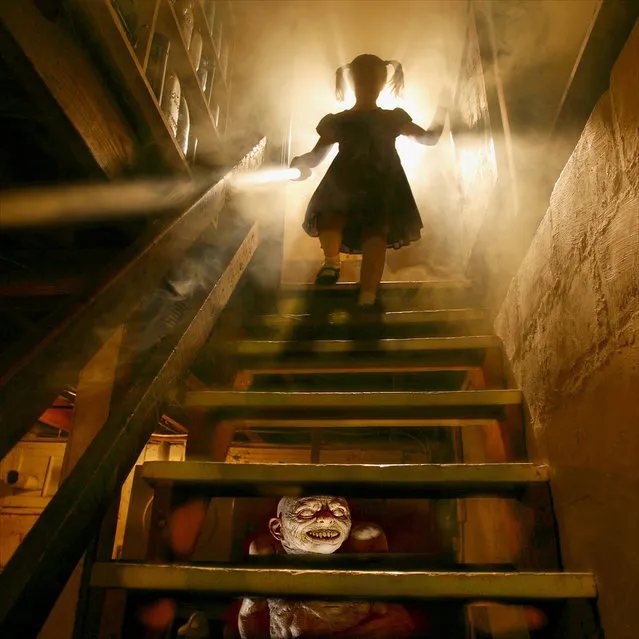
“Basement”. (Photo by Joshua Hoffine/The Washington Post)

Joshua Hoffine, based in Kansas City, Mo., and a self-proclaimed “Horror Photographer”, is interested in the psychology of fear. In his project “After Dark, My Sweet”, Hoffine’s surreal and staged images render these fears visible with the “visual grammar of a child”. Through elaborate sets, costumes, makeup and fog machines, Hoffine’s children act out these terrifying scenes in front of his camera. Here: “Basement”. (Photo by Joshua Hoffine/The Washington Post)
Details
29 Oct 2016 11:47:00
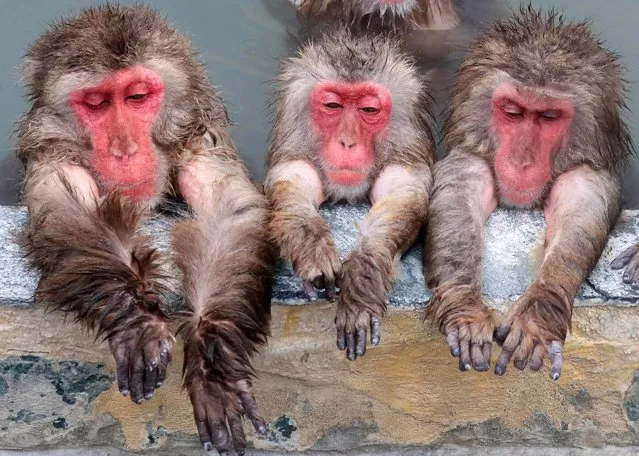
Japanese macaques are relaxed in an outdoor hot spring bath at Hakodate Tropical Botanical Garden on December 1, 2016 in Hakodate, Hokkaido, Japan. (Photo by The Asahi Shimbun via Getty Images)

Japanese macaques are relaxed in an outdoor hot spring bath at Hakodate Tropical Botanical Garden on December 1, 2016 in Hakodate, Hokkaido, Japan. The garden offers the hot spring treatment to macaques until May next year. (Photo by The Asahi Shimbun via Getty Images)
Details
02 Dec 2016 11:37:00
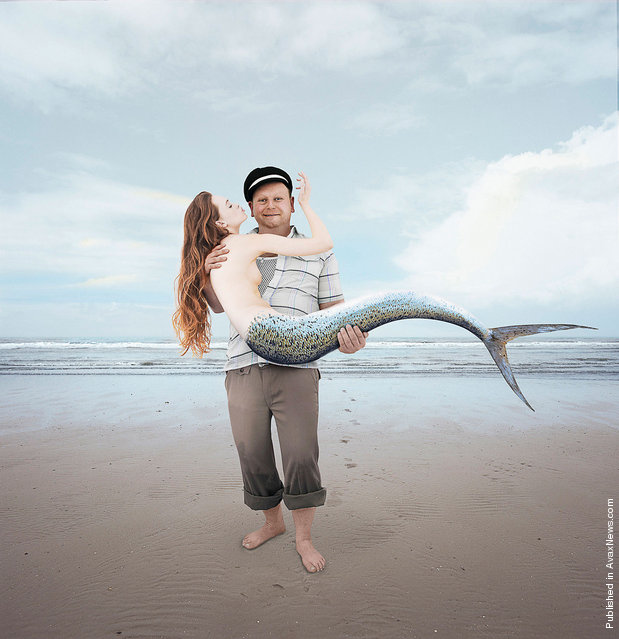
Photographers: Frank Uyttenhove

“Frank Uyttenhove is an exceptionally talented photographer and film director. He has an extensive career, which has seen many interesting projects and many awards”. – Tim Mitchell
Details
18 Feb 2012 11:12:00


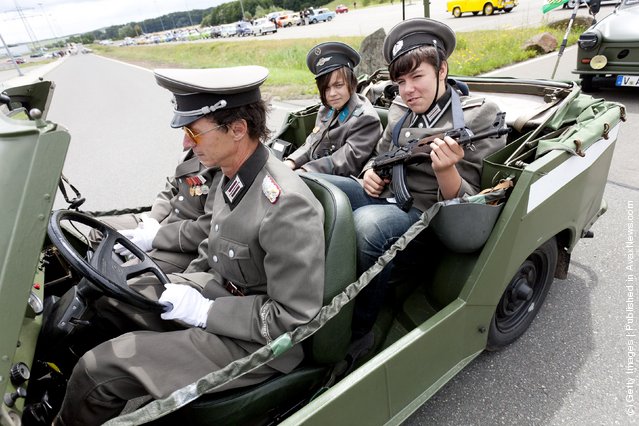
“The Trabant is a car that was produced by former East German auto maker VEB Sachsenring Automobilwerke Zwickau in Zwickau, Sachsen. It was the most common vehicle in East Germany, and was also exported to countries both inside and outside the communist bloc. The main selling points was that it had room for four adults and luggage in a compact, light and durable shell and that it was fast (when introduced) and durable. With its mediocre performance, smoky two-stroke engine, and production shortages, the Trabant is often cited as an example of the disadvantages of centralized planning; on the other hand, it is regarded with derisive affection as a symbol of the failed former East Germany and of the fall of communism (in former West Germany, as many East Germans streamed into West Berlin and West Germany in their Trabants after the opening of the Berlin Wall in 1989). It was in production without any significant changes for nearly 30 years with 3,096,099 Trabants produced in total”. – Wikipedia

Photo: Enthusiasts weared in uniforms of the former eastern german army trive in a military Trabant car as fans and owners of East German-era Trabant cars gather at the 2011 International Trabantfahrer Treffen (International Trabant Drivers Meeting) on June 26, 2011 in Zwickau, Germany. The Trabant, also known as the Trabi, was among the main cars produced in communist East Germany and built by VEB Sachsenring Automobilwerke in Zwickau for 30 years until 1989. Today the car has cult status for many followers and one company, IndiKar, is even seeking to revive the brand in a modern, electric version. (Photo by Carsten Koall/Getty Images)

Details
27 Jun 2011 12:21:00