Loading...
Done
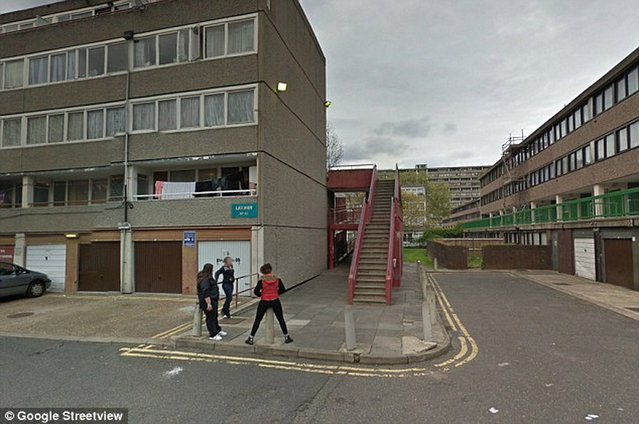
Bad Part of Town By Google Street View

Take a walk on the wild side around some of the most down right dangerous places in the world - and all without leaving your desk, courtesy of Google Street View. Since 2007, Google's amazing technology has given people the chance to visit the Eiffel Tower, peer out over San Francisco's Golden Gate Bridge or walk along a beach in the Bahamas. But as well as mapping the tourist-friendly hotspots, Google also ventured into places you really wouldn't want to find yourself. Here is a collection of some the most notorious areas captured by the infamous roaming camera cars from around the UK and the world.
Details
03 Oct 2013 11:05:00
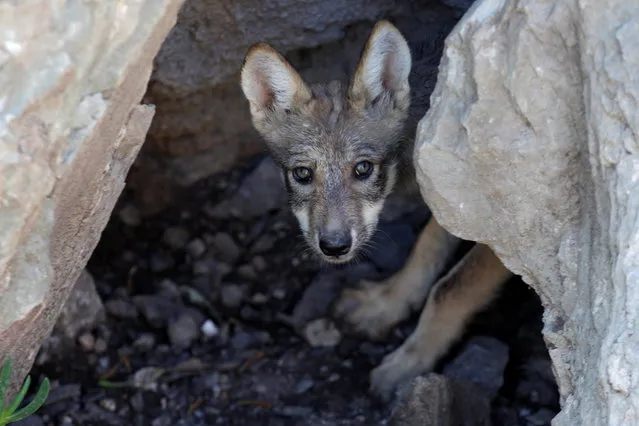
A newly born Mexican gray wolf cub, an endangered native species, is seen at its enclosure at the Museo del Desierto in Saltillo, Mexico, July 19, 2016. (Photo by Daniel Becerril/Reuters)

A newly born Mexican gray wolf cub, an endangered native species, is seen at its enclosure at the Museo del Desierto in Saltillo, Mexico, July 19, 2016. Though once held in high regard in Pre-Columbian Mexico, it is the most endangered gray wolf in North America, having been extirpated in the wild during the mid-1900s through a combination of hunting, trapping, poisoning and digging pups from dens. (Photo by Daniel Becerril/Reuters)
Details
21 Jul 2016 13:34:00
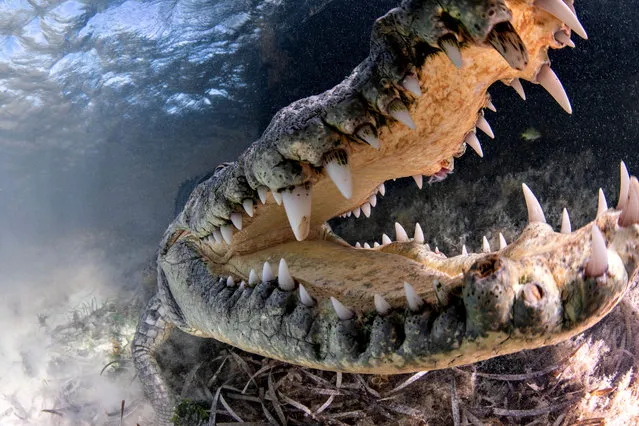
The trip to get to the reef takes eight hours by car and boat, and there is no luxury hotel at the other end. (Photo by Alex Suh/Caters News Agency)

A photographer with a passion for wild animals was able to get up close and personal with one of nature’s deadliest creatures. Alex Suh has traveled to Mexico’s Banco Chinchorro reef twice in the past three years to get into the waters and capture the crocodiles in their natural habitat after an invitation from Yucatan Dive Trek. (Photo by Alex Suh/Caters News Agency)
Details
24 Aug 2018 00:01:00
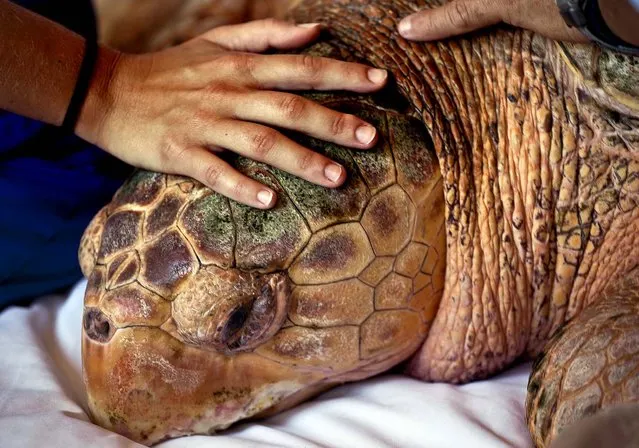
Kahuna is kept calm and steady on the gurney by staff and volunteers

Kahuna, an injured loggerhead turtle, returns to the ocean after years of rehabilitation. It has been two years since Kahuna, a 209-pond loggerhead turtle, was rescued from the wild by biologists at FPL’s St. Lucie Power. Half of one of her flippers had been sliced off, and the other flipper was badly injured. On top of that, she had severe bone infection doctors tried for months to cure with antibiotics, only to have it come back once they stopped the medicine.

Photo: Kahuna is kept calm and steady on the gurney by staff and volunteers.
Details
14 Jul 2012 09:24:00
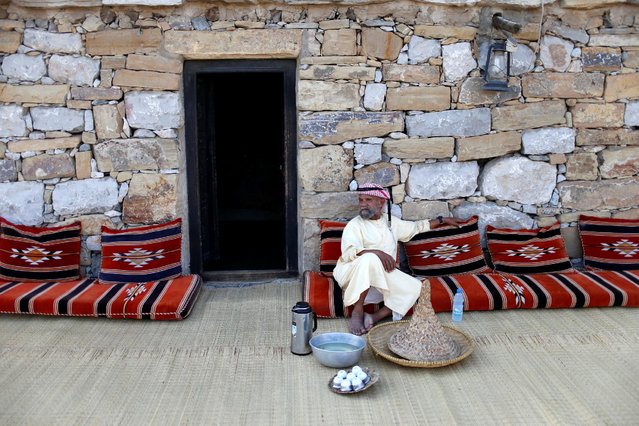
An Emirati man sits outside an old house at the Heritage Village in Dubai, UAE March 13, 2016. (Photo by Ahmed Jadallah/Reuters)

An Emirati man sits outside an old house at the Heritage Village in Dubai, UAE March 13, 2016. The Heritage Village was created in 1997 in Al Shindagha Historical Neighborhood in Dubai, close to the Diving Village, to embrace the heritage events and to display a live image of the old traditional life in UAE. It represents the components of wild, marine, and mountain life, where the visitor can identify closely the old traditional customs of the country and the special characteristics of old houses, handicrafts, patterns, and forms of living. It is owned and managed by Dubai Culture & Arts Authority. (Photo by Ahmed Jadallah/Reuters)
Details
29 Apr 2016 11:26:00
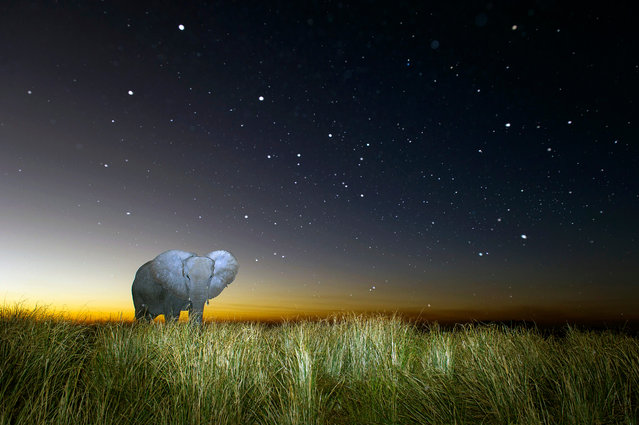
A elepant strolls under the milkyway. (Photo by Brendon Cremer/Caters News)

A midnight safari has been caught on camera as wild animals gather in front of a full moon. Photographer Brendon Cremer, 35, snapped the impressive collection of night sky images while in South Africa, Namibia, and Botswana. It can be challenging for even the best photographers to take full control of their camera while ensuring they don’t become the deadly animals' next meal. But this impressive set of images looks both effortless and fierce. Here: A elepant strolls under the milkyway. (Photo by Brendon Cremer/Caters News)
Details
27 Dec 2016 08:10:00
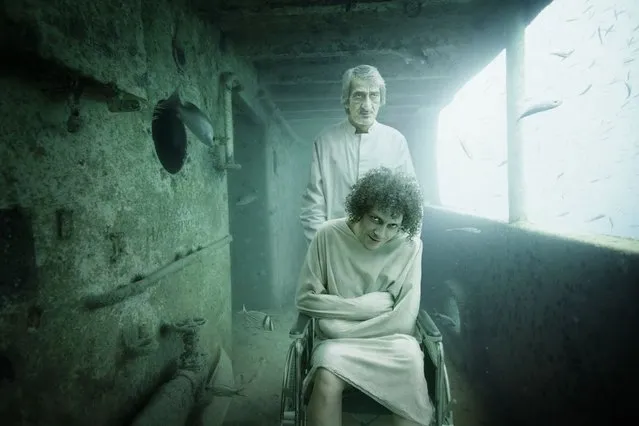
Vandenberg Project by Andreas Franke

“24.27 N, 81.44 W. These coordinates mark the spot of the final resting place of an old brave soldier, the USS General Hoyt S. Vandenberg. In 2009 it underwent a complete change when the creaky steel monster became a mystical bearer of secrets. In May of that year, the Vandenberg was lowered down into the darkness of the ocean off the coast of Florida to become an artificial reef, where it would dwell in rigor mortis at a depth of 130 feet. This lively, animate, secretive nothingness, this menacing, wild emptiness would haunt and seduce the renowned Austrian photographer and passionate diver Andreas Franke...”. – The Sinking World (Photo by Andreas Franke)
Details
07 Apr 2013 09:50:00
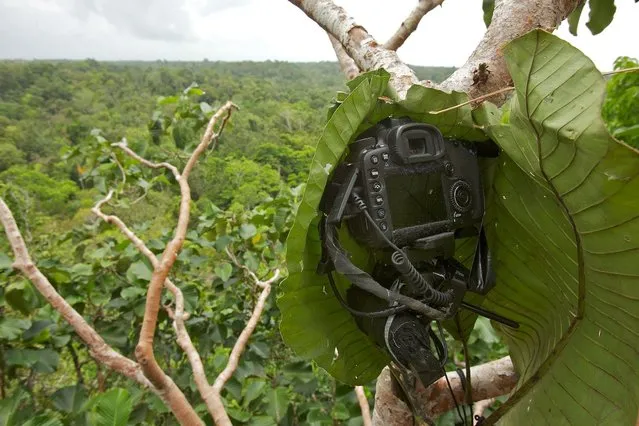
Tim Laman - Wildlife Photojournalist

Tim Laman is a field biologist and wildlife photojournalist. His pioneering research in the rain forest canopy in Borneo led to a PhD from Harvard and his first National Geographic article in 1997. Since then, he has pursued his passion for exploring wild places and documenting little-known and endangered wildlife by becoming a regular contributor to National Geographic. He has eighteen articles to his credit to date, all of which have had a conservation message. Some have focused on endangered species such as Orangutans or Hornbills, while others, such as a series of articles on Conservation International’s Biodiversity Hotspots, have highlighted regions under intense pressure.
Details
14 Sep 2013 10:13:00