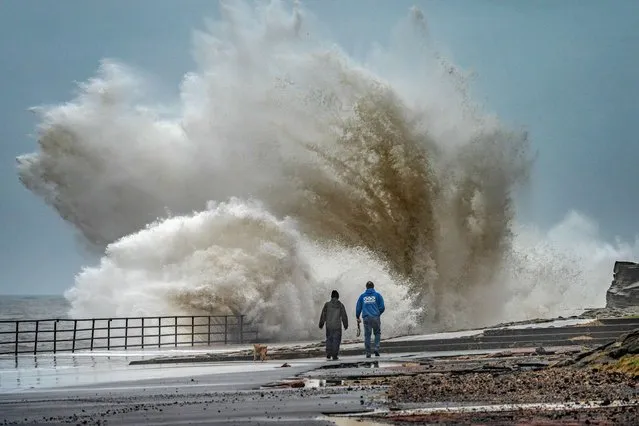
Huge waves hit the promenade at Whitley Bay, North Tyneside, England late Monday afternoon, March 11, 2024, with some people braving a walk along the seafront. (Photo by Ian Sproat/Picture Exclusive)
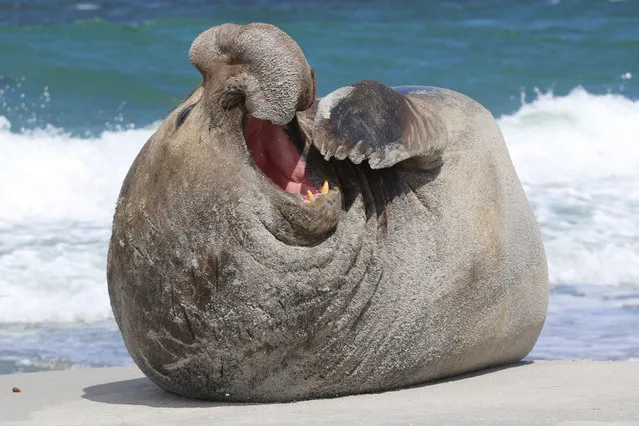
These hilarious photos show some of nature’s mightiest animals — yawning away! (Actually – not always; AvaxNews). The images were taken by photographers across the world, from the African savannas to the Pacific Ocean. Here: Elephant Seal. (Photo by David Crocker/Caters News Agency)
The Dinagyang is a religious and cultural festival in Iloilo City, Philippines held on the fourth Sunday of January, or right after the Sinulog In Cebu and the Ati-Atihan in Aklan. It is held both to honor the Santo Niño and to celebrate the arrival on Panay of Malay settlers and the subsequent selling of the island to them by the Atis. wiki
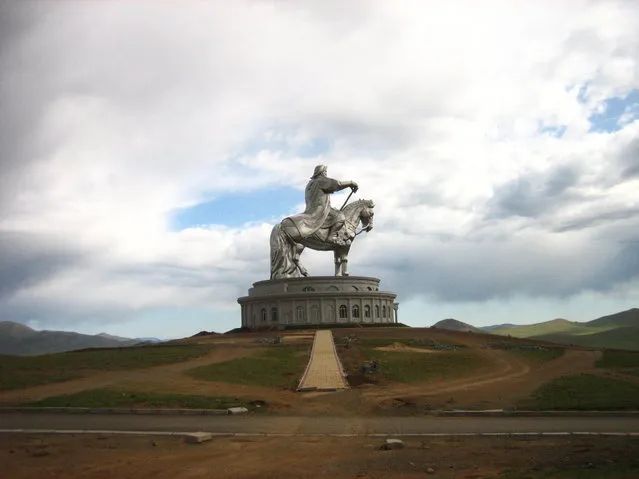
The Genghis Khan Statue is a 40-metre tall statue of Ghengis Khan (1162–1227) on horseback, on the bank of the Tuul River at Tsonjin Boldog (54 km east of the capital Ulan Bator), where according to legend, he found a golden whip.
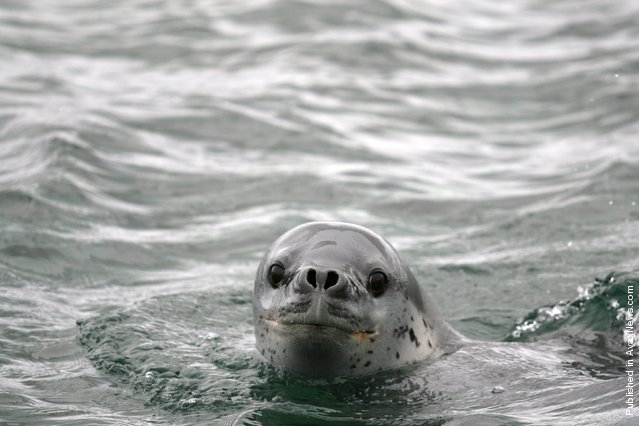
“The leopard seal (Hydrurga leptonyx), also referred to as the sea leopard, is the second largest species of seal in the Antarctic (after the southern elephant seal). It is most common in the southern hemisphere along the coast of Antarctica and on most sub-Antarctic islands, but can also be found on the coasts of southern Australia, Tasmania, South Africa, New Zealand, Lord Howe Island, Tierra del Fuego, the Cook Islands, and the Atlantic coast of South America. It can live twenty-six years, possibly more. Orcas and large sharks are the only natural predators of leopard seals”. – Wikipedia
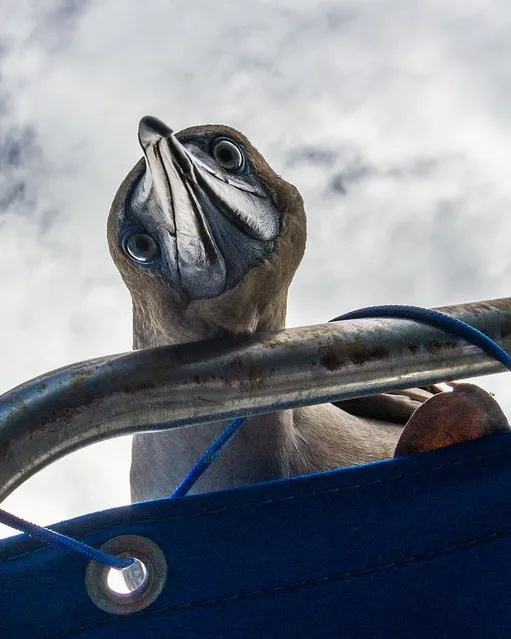
Situated in the Pacific Ocean some 620 miles (1,000 km) from the South American continent, these 19 islands and the surrounding marine reserve have been called a unique “living museum and showcase of evolution”. Photo: “Close-up. We had a juvenile Red-Footed Booby come visit us on the sun deck. I got some closeups with my ultrawide 11-16mm Tokina”. (Photo by Carl Fredrickson)
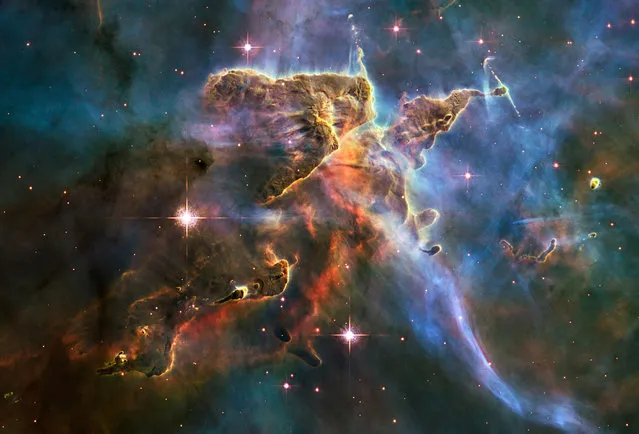
The tempestuous stellar nursery called the Carina Nebula, located 7,500 light-years away from Earth in the southern constellation Carina. (Photo by Reuters/NASA)