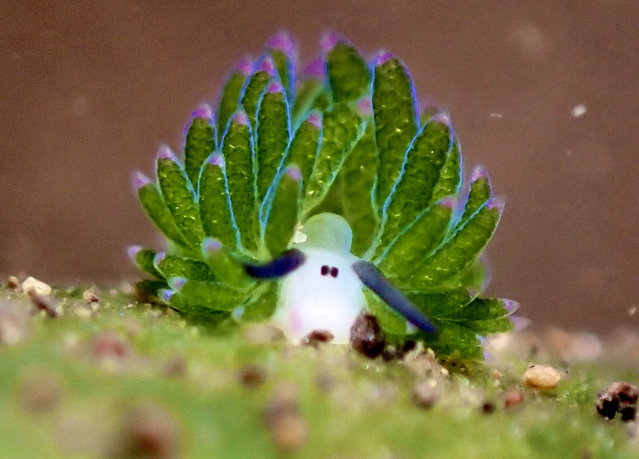
Keen diver Yusuke Fukami fulfilled a personal dream by snapping a cartoon-like Costasiella sea slug while in Bali in the last decade of December 2024. (Photo by Yusuke Fukami/South West News Service)
A racegoer reacts to picking a winner in the first race on the third day of the Royal Ascot horserace meeting, which is traditionally known as Ladies Day, at Ascot, England Thursday, June 17, 2021. (Photo by Alastair Grant/AP Photo)
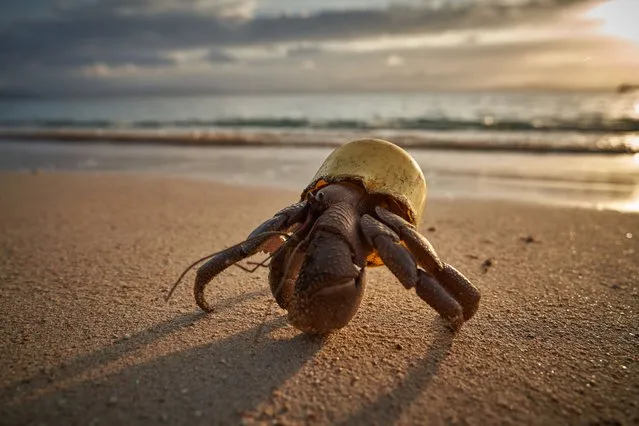
This shot, which was announced the winner by the on December 2, 2022 came top in the People and Nature category of the British Ecological Society’s Capturing Ecology photography competition. (Photo by British Ecological Society)
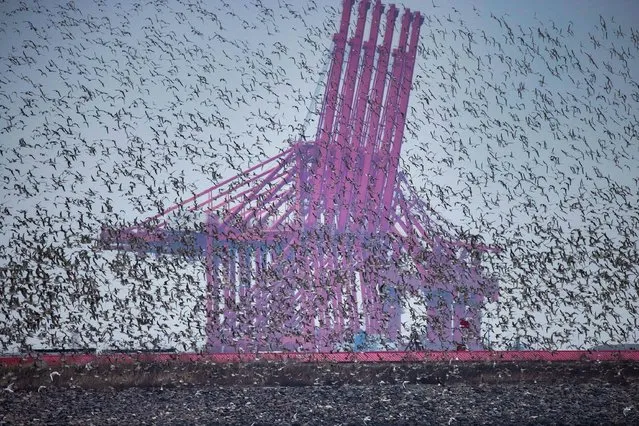
This photo taken on April 4, 2021 shows migratory birds flying over a wetland near the Yalu River in Dandong, in China's northeastern Liaoning province. (Photo by AFP Photo/China Stringer Network)
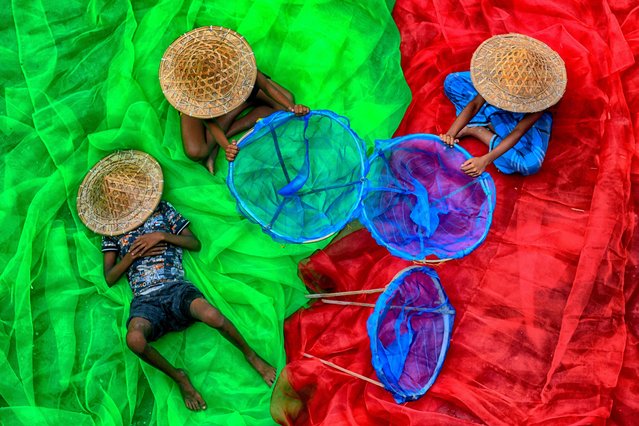
Fishermen repair brightly coloured nets before their next trip to the River Matla in West Bengal, India in the last decade of July 2025. (Photo by Avishek Das/Solent News & Photo Agency)
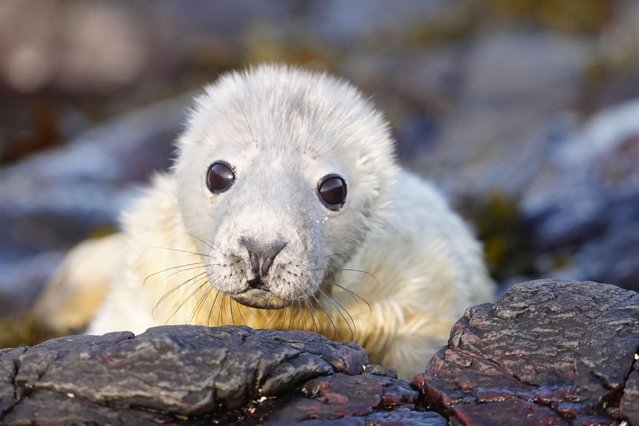
Seals on Wednesday, November 12, 2025 on the Farne Islands during the annual census of pup numbers at one of England's largest grey seal colonies. The islands, off the Northumberland coast, is an important haven for thousands of seabirds and hundreds of adult seals, and are looked after by the National Trust. (Photo by Owen Humphreys/PA Wire)
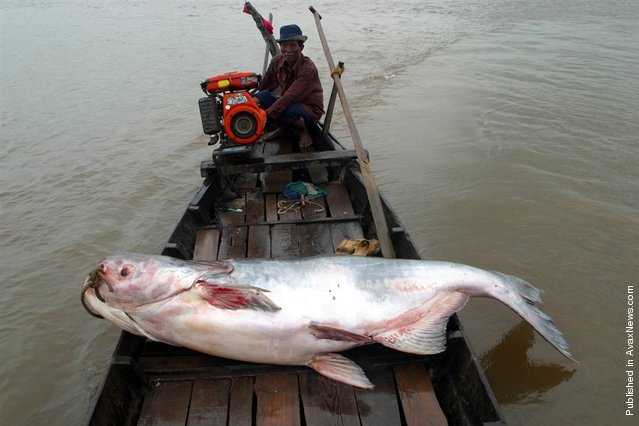
Among the fish populations that could be harmed by the Xayaburi dam in Laos is the critically endangered Mekong giant catfish, considered by the Guinness Book of World Records to be the world’s largest freshwater fish. The fish, which grows to 650 pounds and about 10 feet long, is only found in the Mekong River. It is migratory, moving between downstream habitats in Cambodia upstream to northern Thailand and Laos each year to spawn. Some experts fear the Xayaburi dam could block the migration and drive the giant catfish to extinction. (Photo by Courtesy of Zeb Hogan/University of Nevada, Reno)