Loading...
Done
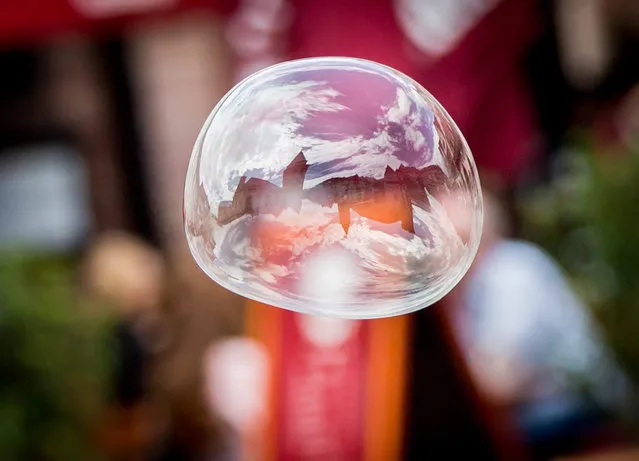
A blurred panaroma of Roemerberg historic center is reflected in a soap bubble in Frankfurt am Main, Germany, 09 July 2015. (Photo by Frank Rumpenhorst/EPA)

A blurred panaroma of Roemerberg historic center is reflected in a soap bubble in Frankfurt am Main, Germany, 09 July 2015. (Photo by Frank Rumpenhorst/EPA)
Details
07 Nov 2015 08:06:00
Designpanoptikum, Museum For Extraordinary Objects

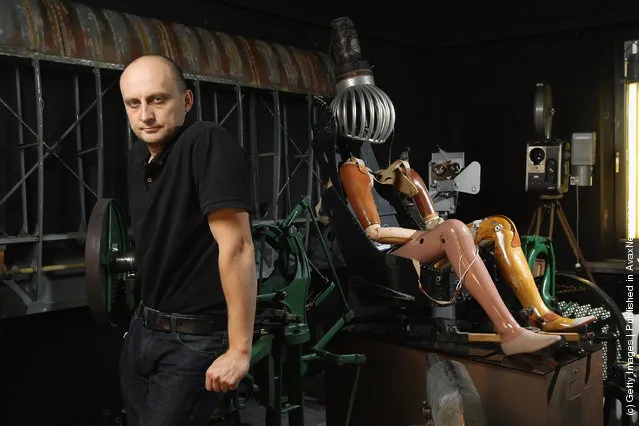
Russian-born artist Vlad Korneev poses for a picture in his museum called “Designpanoptikum, Museum For Extraordinary Objects” on November 4, 2010 in Berlin, Germany. The museum displays objects whose outward appearance was determined by function rather than form, he says, and are the result of a collection he started while accumulating props for his photographic works. (Photo by Sean Gallup/Getty Images)
Details
12 Aug 2011 11:37:00
Cormorant Fishing

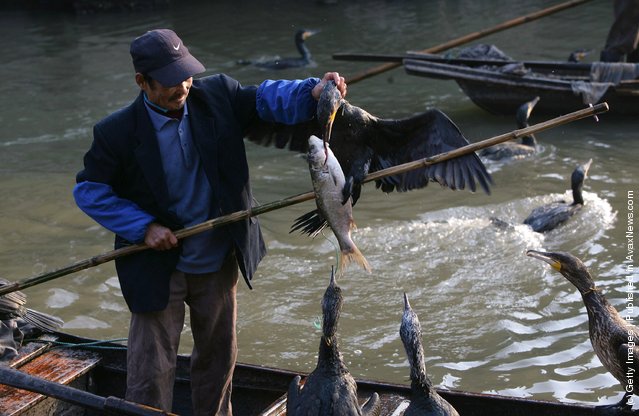
“Cormorant fishing is a traditional fishing method in which fishermen use trained cormorants to fish in rivers. Historically, cormorant fishing has taken place in Japan and China from around 960 AD. and recorded from other places throughout the world”. – Wikipedia

Photo: A cormorant raised by a fisherman catches a fish on a canal on November 27, 2007 in Xitang Town of Jiashan County, Zhejiang Province, China. (Photo by China Photos/Getty Images)
Details
07 Oct 2011 09:34:00
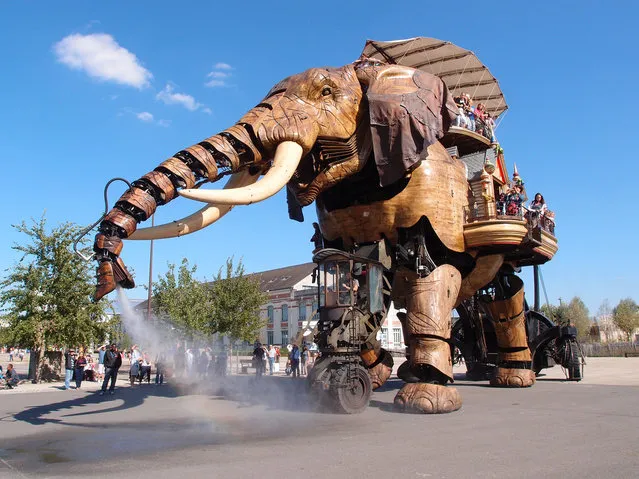
The Machines Of The Isle Of Nantes

Due to the influence of Sci-Fi movies, many of us have an obsession with giant robots. How cool would it be to ride a gigantic robotic dinosaur or elephant? It would be even cooler to control one! Regretfully, the modern technologies are not yet sophisticated enough to fulfill this dream. Pierre Orefice and François Delarozière, however, came very close. These two artists have made it their goal to turn Nantes, France, into a hot tourist destination spot for people who love robots. In their project of Machines de l'île in Nantes, they have created a whole park of robotic monstrosities, ranging from a giant 3 story high elephant to a 2 meter long centipede crawling on a rail track.
Details
05 Jan 2015 13:21:00
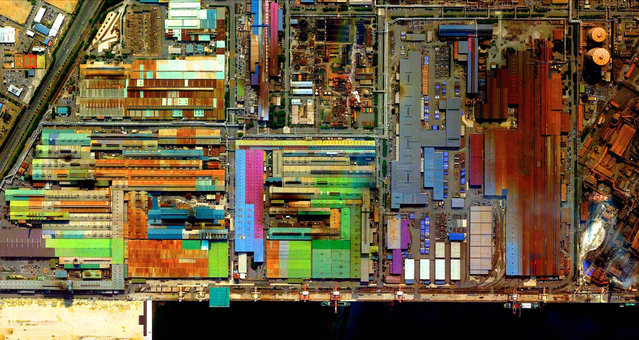
Industrial Sector, Tokai, Japan. (Photo by Benjamin Grant/Digital Globe/Caters News)

This series of pictures shot by satellite, show the man-made world as astronauts see it. Artist Benjamin Grant uses Google Earth to find the most compelling satellite images of human civilization. The stunning pictures of sprawling metropolises and vast reservoirs are sometimes unidentifiable until zoomed in. In order to find an extraordinary picture in the practically endless supply of satellite data, Benjamin focuses on the themes of current events or environmental issues. Here: Industrial Sector, Tokai, Japan. (Photo by Benjamin Grant/Digital Globe/Caters News)
Details
04 Feb 2015 12:21:00
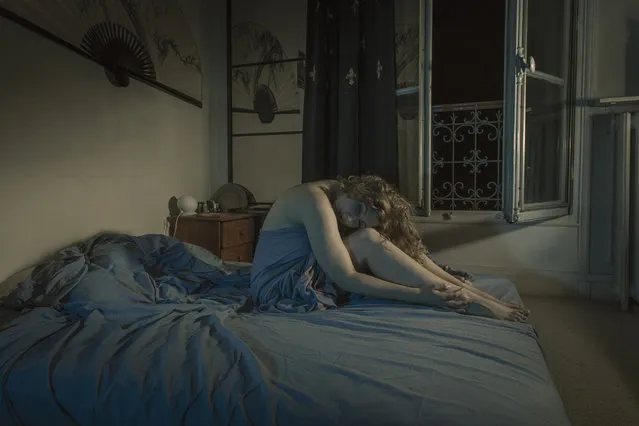
“Jessica” is photographed at her Paris home in this scene staged by photographer Laura Stevens. (Photo by Laura Stevens)

At the end of a six-year relationship, photographer Laura Stevens needed to find a creative, external outlet for all the complicated feelings she was processing internally. “Another November” is the end product, a photo series that aims to mirror those agonizing emotions that Stevens felt at the time of the breakup – and the subsequent healing process. Here: “Jessica” is photographed at her Paris home in this scene staged by photographer Laura Stevens. (Photo by Laura Stevens)
Details
11 Nov 2014 11:55:00
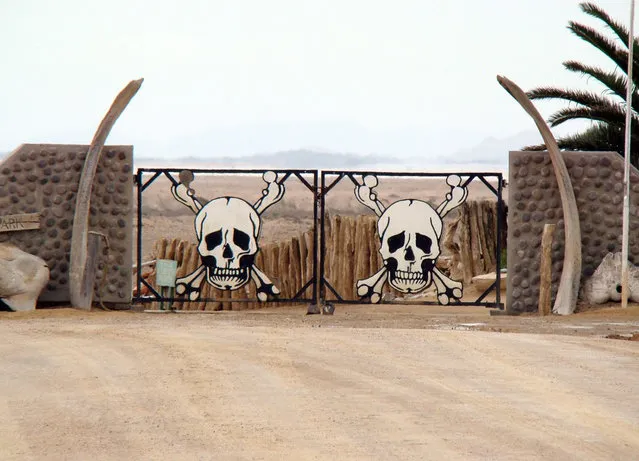
The Skeleton Coast, Namibia

The Skeleton Coast is the northern part of the Atlantic Ocean coast of Namibia and south of Angola from the Kunene River south to the Swakop River, although the name is sometimes used to describe the entire Namib Desert coast. The Bushmen of the Namibian interior called the region "The Land God Made in Anger", while Portuguese sailors once referred to it as "The Gates of Hell".
Details
23 Feb 2014 09:27:00
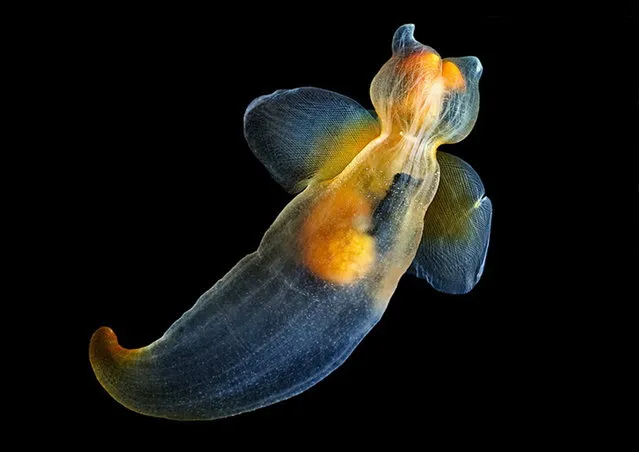
Underwater Photography By Alexander Semenov

In 2007, I graduated from Lomonosov’s Moscow State University in the department of Zoology. I specialized in the study of invertebrate animals, with an emphasis on squid brains. Soon after, I began working at the White Sea Biological Station (WSBS) as a senior laborer. WSBS has a dive station, which is great for all sorts of underwater scientific needs, and after 4 years working there, I became chief of our diving team. I now organize all WSBS underwater projects and dive by myself with a great pleasure and always with a camera.
Details
05 Feb 2013 15:28:00