Loading...
Done
Magical Contamination By Antoine Bridier-Nahmias

Modern art is truly fascinating. Not in a way that it produces some novel things that will fascinate future generations for decades and even centuries to come. No, that is very far from the truth. On the contrary, modern art is essentially anything (yes, any little thing) that is a bit unusual and was created by a famous person. Let’s take the creation of Antoine Bridier-Nahmias for example. His brainchild is a set of pictures of petri dishes that were contaminated by various cultures of fungi. If this is art, I missed my chance of becoming famous when I accidentally left a piece of bread in a bag in a cupboard for about six months, and didn’t take a picture of the rather shocking results that awaited me when I finally discovered it. (Photo by Antoine Bridier-Nahmias)
Details
12 Dec 2014 13:03:00
U.S. soldiers from the 2nd Battalion, 12th Infantry Regiment, 4th Brigade Combat Team, fire mortars at known enemy firing positions from a base in the Pech River Valley in Afghanistan's Kunar province, Saturday, October 24, 2009. (Photo by David Guttenfelder/AP Photo)

David Guttenfelder was born in Iowa and graduated from the University of Iowa with a Bachelor of Arts in cultural anthropology. He has worked for the AP since 1994 based in Kenya, the Ivory Coast, India and Japan. He is currently AP’s chief Asia photographer and his feature work has been used prominently in editorial publications throughout the world including Time and National Geographic. Photo: U.S. soldiers from the 2nd Battalion, 12th Infantry Regiment, 4th Brigade Combat Team, fire mortars at known enemy firing positions from a base in the Pech River Valley in Afghanistan's Kunar province, Saturday, October 24, 2009. (Photo by David Guttenfelder/AP Photo)
Details
21 Apr 2014 10:11:00
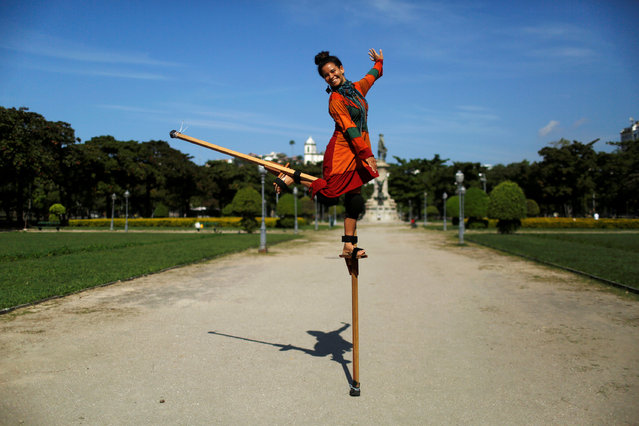
Raquel Poti, a 32-year-old street artist, poses at a park in Rio de Janeiro, Brazil, June 25, 2016. Raquel thinks the Olympics promotes a lifestyle that combines sports, culture and education. She is concerned about the large investment for the event while the population needs improvements in basic services. (Photo by Pilar Olivares/Reuters)

Just a week before Rio de Janeiro hosts South America's first Olympics, city residents expressed mixed feelings about the cost and security of the Games, while holding out hope they will bring joy to a nation facing economic and political crises. The conflicted thoughts mirror a recent survey by the Datafolha polling group showing that half of Brazilians were opposed to holding the Games, while 63 percent think the costs of hosting the event will outweigh benefits. (Photo by Pilar Olivares/Reuters)
Details
03 Aug 2016 11:51:00
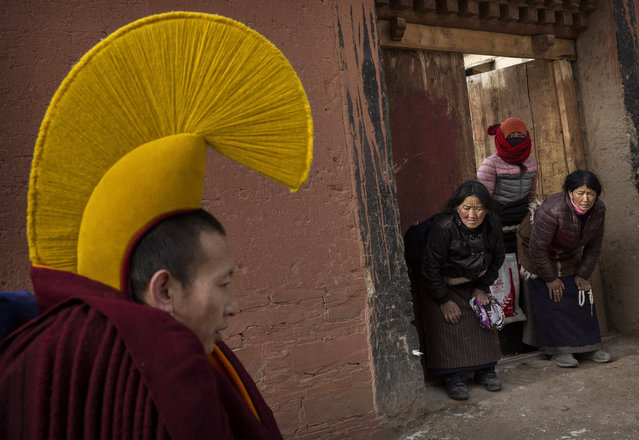
Devotees bow to a passingTibetan Buddhist monk on his way to take part in a special prayer during Monlam or the Great Prayer rituals on March 5, 2015 at the Labrang Monastery, Xiahe County, Amdo, Tibetan Autonomous Prefecture, Gansu Province, China. (Photo by Kevin Frayer/Getty Images)

Devotees bow to a passingTibetan Buddhist monk on his way to take part in a special prayer during Monlam or the Great Prayer rituals on March 5, 2015 at the Labrang Monastery, Xiahe County, Amdo, Tibetan Autonomous Prefecture, Gansu Province, China. Labrang Monastery is one of the six great monasteries of the Gelug school of Tibetan Buddhism and one of the largest outside of the Tibetan Autonomous Region. Monlam, the most important prayer event for many Tibetans was banned during the Cultural Revolution in China but once again in recent years it is celebrated in many areas. (Photo by Kevin Frayer/Getty Images)
Details
14 Mar 2015 14:37:00
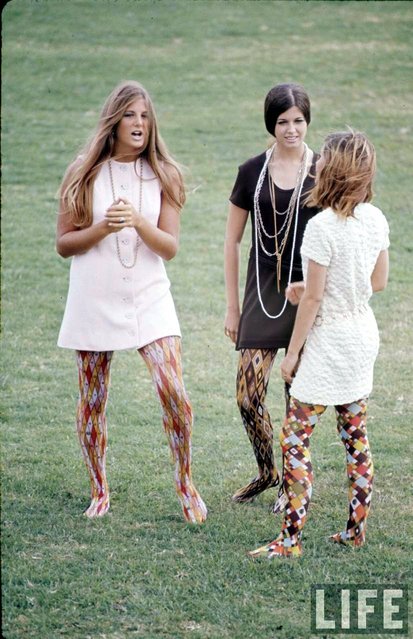
Corona del Mar High School students Kim Robertson, Pat Auvenshine and Pam Pepin wear “hippie” fashions, 1969. (Photo by Arthur Schatz/Time & Life Pictures/Getty Images)

“By 1969, the fashion choices of tens of millions of young American men and women were as variegated and ever-evolving as the world around them. Cultural transformation was an irresistible force during the Sixties, and across America and around the globe civil rights, women’s and gay liberation, the sexual revolution and, of course, the explosive soundtrack of R&B, soul and rock and roll informed everything from politics to fashion”. – LIFE. Photo: Corona del Mar High School students Kim Robertson, Pat Auvenshine and Pam Pepin wear “hippie” fashions, 1969. (Photo by Arthur Schatz/Time & Life Pictures)
Details
11 Aug 2013 12:43:00
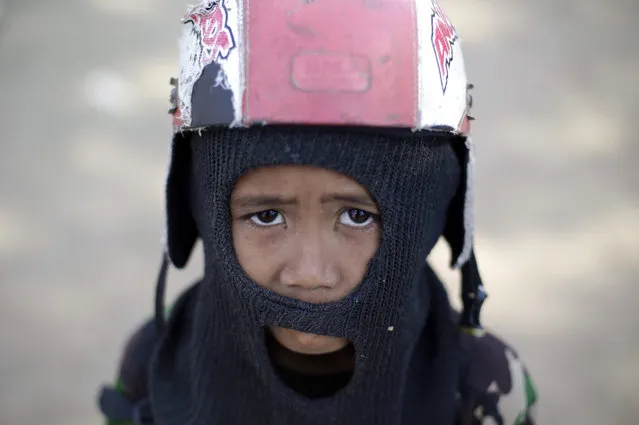
Indonesian child jockey Egi, 8, poses for photographs as he participates in a traditional horse race marking Indonesia's 70th independence anniversary, in Bima, West Nusa Tenggara province, Indonesia, 08 August 2015. (Photo by Mast Irham/EPA)

Indonesian child jockey Egi, 8, poses for photographs as he participates in a traditional horse race marking Indonesia's 70th independence anniversary, in Bima, West Nusa Tenggara province, Indonesia, 08 August 2015. Horse racing is the traditional sport in the area and a cultural heritage which continues to be preserved by the people of Bima, a small city on the east side of Sumbawa island. Similar races also held in Sumbawa Besar regency and Dompu regency. (Photo by Mast Irham/EPA)
Details
19 Sep 2015 12:32:00
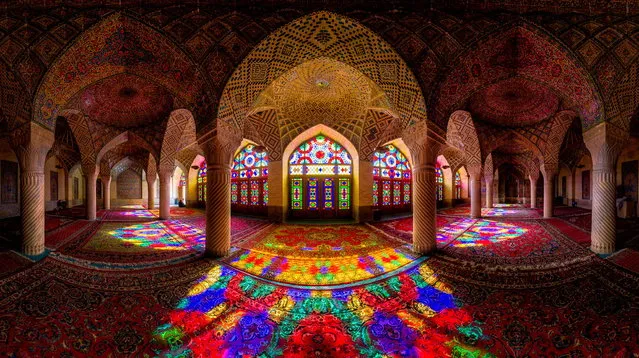
The Nasir Al-Mulk Mosque

The Nasīr al-Mulk Mosque or Pink Mosque is a traditional mosque in Shiraz, Iran, located in Goade-e-Araban place (near the famous Shah Cheragh mosque). The mosque was built during the Qājār era, and is still in use under protection by Nasir al Mulk's Endowment Foundation. It was built by the order of Mirza Hasan Ali Nasir al Molk, one of the lords of the Qajar Dynasty, in 1876 and was finished in 1888. The designers were Muhammad Hasan-e-Memar and Muhammad Reza Kashi Paz-e-Shirazi. The mosque extensively uses colored glass in its facade, and displays other traditional elements such as panj kāseh-i (five concaves) in its design, it is also named in popular culture as Pink Mosque due to the usage of beautiful pink color tiles for its interior design.
Details
26 Mar 2014 14:04:00
What the World Eats By Peter Menzel And Faith D'Aluisio Part 1

A stunning photographic collection featuring portraits of people from 30 countries and the food they eat in one day. In this fascinating study of people and their diets, 80 profiles are organized by the total number of calories each person puts away in a day. Featuring a Japanese sumo wrestler, a Massai herdswoman, world-renowned Spanish chef Ferran Adria, an American competitive eater, and more, these compulsively readable personal stories also include demographic particulars, including age, activity level, height, and weight. Essays from Harvard primatologist Richard Wrangham, journalist Michael Pollan, and others discuss the implications of our modern diets for our health and for the planet. This compelling blend of photography and investigative reportage expands our understanding of the complex relationships among individuals, culture, and food.
Details
23 Apr 2014 14:34:00