Loading...
Done


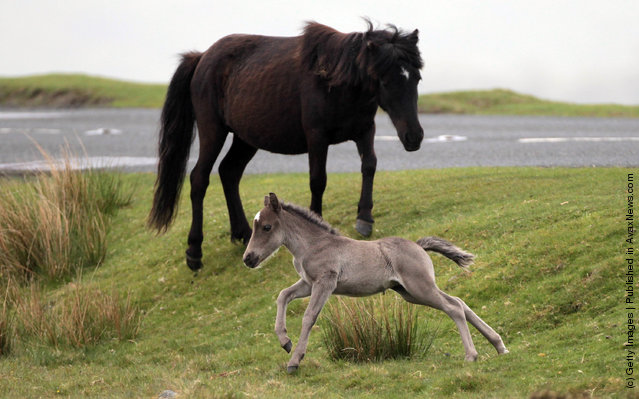
A Dartmoor Hill pony foal runs on the moor on Dartmoor on May 17, 2011 in Princetown England. Although a tourist attraction, especially during the foaling season and often seen as part of the landscape of Dartmoor, many ponies face an uncertain future due to unsustainable breeding and their falling market values. The charity South West Equine Protection estimates that last year 1500 ponies were slaughtered – with many being sold for lion meat to nearby zoos. Along with other equine charities, they are calling for the removal of stallions from the moor to bring numbers down to sustainable levels. (Photo by Matt Cardy/Getty Images)
Details
18 May 2011 11:15:00
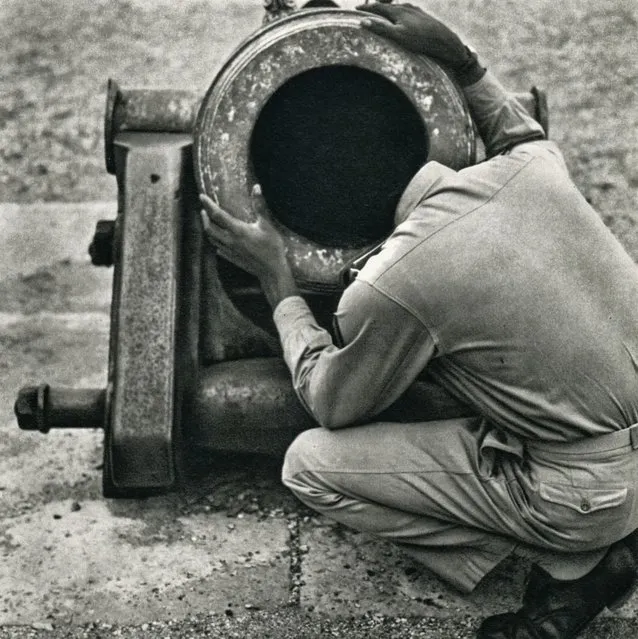
Humour Photography By Rene Maltete

René Maltête was a French photographer and poet. His pictures were based on the element of surprise and incongruity, often having a humorous and even philosophical side to them. At the start of his career, he often had to resort to manual labor as an addition to his to his profession in order to pay the bills. However, René's talent of seeing and being able to capture in time humorous moment of mundane, day-to-day life payed off in the end. Over the years, his works were published in a number of magazines in addition to numerous exhibitions that were held worldwide to popularize his work. (Photo by René Maltête)
Details
23 Oct 2014 11:34:00
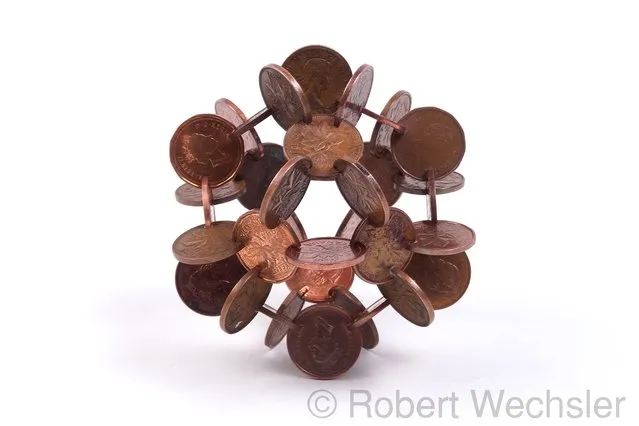
Mendicant By Robert Wechsler

American artist Robert Wechsler has realized a series of sculptural cubes made from thousands of pennies titled “The Mendicant“. Cubes achieved by notching and joining pennies in perfect orientation to one another. Joined at perpendicular angles, the coins create a lattice structure allowing tunnel like passages of light from certain angles. As one moves around them, the cubes seem to fluctuate from material to ethereal. The number of pennies increases exponentially with the size of the cube. Pictured here are three cubes differentiated with subtitles indicating the exact quantity used.
Details
21 Oct 2013 11:18:00
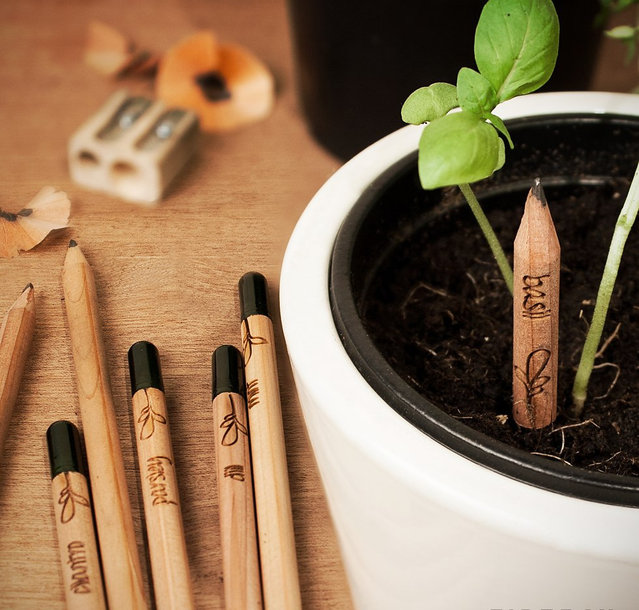
Sprout A Pencil That Grows

Sprout A Pencil That Grows is a very simple but excellent concept. We all know that as soon as a pencil gets down to the point where there’s only an inch or so left it’s pretty much useless. The Sprout lets you put that little stub to get use. The end of the Sprout has a seed capsule that is water activated, after you plant your pencil and water it a few times the capsule dissolves and the seed’s start germinating. The plants usually take about a week to sprout. The Sprout pencils come in a number of varieties including vegetables, herbs and flowers like rosemary, tomato, marigold, and many more.
Details
23 Mar 2014 10:59:00
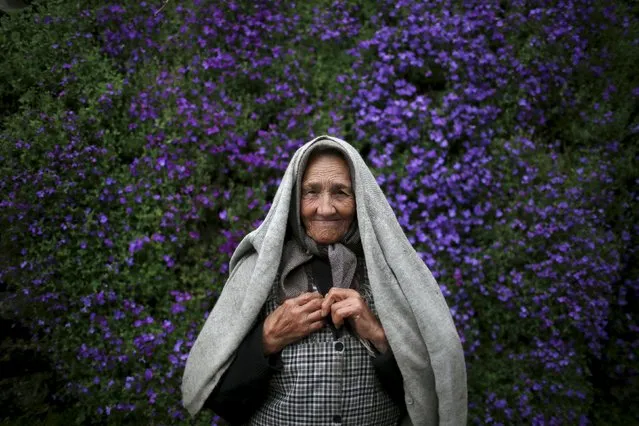
Zulmira Jesus poses for a portrait at a street in Povoa de Agracoes, near Chaves, Portugal April 19, 2016. (Photo by Rafael Marchante/Reuters)

Zulmira Jesus poses for a portrait at a street in Povoa de Agracoes, near Chaves, Portugal April 19, 2016. In the villages of Agracoes and Povoa de Agracoe, the steady drip-drip of emigration has brought down population numbers from more than 50 residents to fewer than a dozen each. These remaining villagers share the same glum acceptance that, after they have gone, their villages will die out too. It is the same desolate picture in scores of other backwater settlements in Portugal's interior, north to south. (Photo by Rafael Marchante/Reuters)
Details
29 Apr 2016 12:05:00


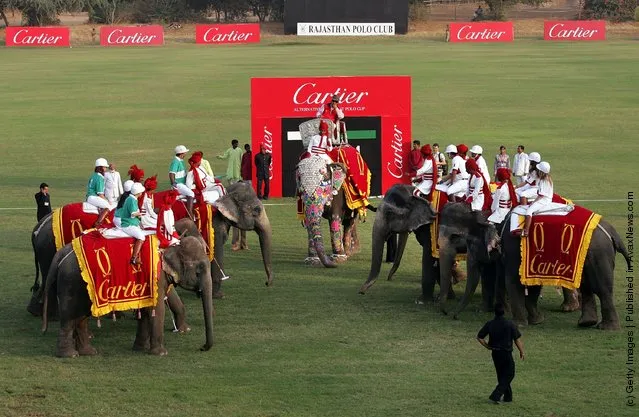
Teams face off in the Cartier Elephant Polo Cup November 18, 2006 in Jaipur, in the Indin state of Rajasthan. Cartier hosted the event which was held to highlight the plight of the dwindling numbers of Asian elephants. Indian and international celebrities flew in the India's “Pink City” for the high society event held by the global watch and jewelry giant. The animal rights organization, People for the Ethical Treatment of Animals, “PETA” had planned to protest the match, saying that elephants should not be used for sport. Elephants in Jaipur are commonly used for carrying tourists at historic sites. (Photo by John Moore/Getty Images)
Details
25 Mar 2011 09:17:00


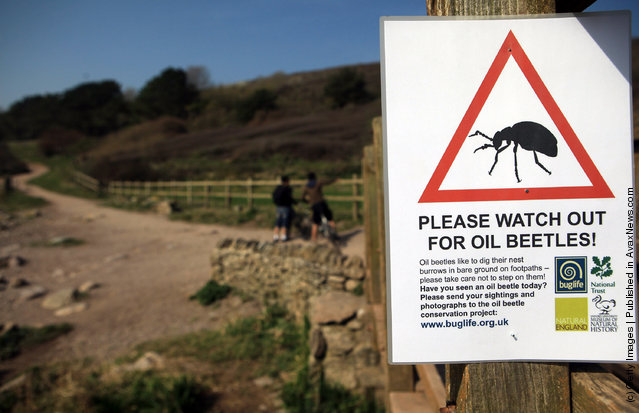
People enjoy the fine weather on the coast at Wembury during the first ever nationwide survey to map the location of the threatened and creatures on March 24, 2011 in near Plymouth, England. Often found on the coast, and particularly in the south west of England, the number of oil beetle species found in the UK has halved in the last 100 years and the survey will help establish the whereabouts of the remaining four species and boost efforts to secure their future. The survey is being launched today by Buglife: The Invertebrate Trust and the National Trust in partnership with Natural England and Oxford University Museum of Natural History. (Photo by Matt Cardy/Getty Images)
Details
25 Mar 2011 15:20:00
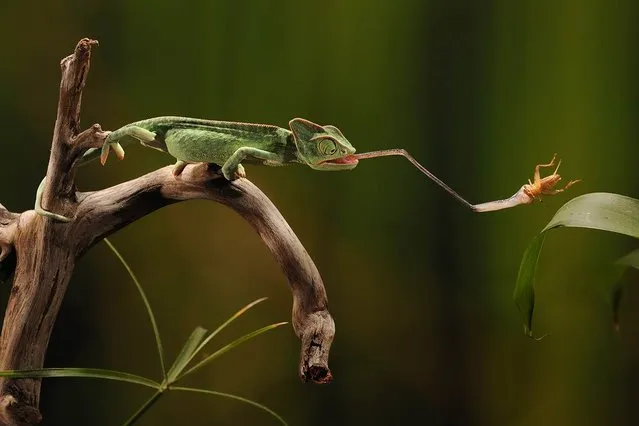
A veiled chameleon extends its tongue to catch a cricket

“Scott Linstead is an internationally published, freelance wildlife photographer/writer. His clients include Natural History Magazine, Hewlett Packard, Ranger Rick Magazine and a number of wildlife publications in North America and Europe. Scott's column on the techniques of bird photography appears in every issue of Outdoor Photography Canada”.

Photo: A veiled chameleon extends its tongue to catch a cricket. Canadian wildlife photographer Scott Linstead, formerly an aerospace engineer and high school teacher, uses a device called Phototrap “to not only photograph the elusive, but also the unimaginably quick”. (Photo by Scott Linstead)
Details
22 May 2012 11:32:00