Loading...
Done
Brides-to-be participate in the "Running of the Brides" race in a park in Bangkok November 28, 2015. A hundred husbands and wives-to-be wore their wedding dresses and running shoes and competed in an event for a combined prize worth 1 million Thai baht ($27,928), according to the organisers. (Photo by Athit Perawongmetha/Reuters)

Brides-to-be participate in the "Running of the Brides" race in a park in Bangkok November 28, 2015. A hundred husbands and wives-to-be wore their wedding dresses and running shoes and competed in an event for a combined prize worth 1 million Thai baht ($27,928), according to the organisers. (Photo by Athit Perawongmetha/Reuters)
Details
30 Nov 2015 08:05:00
Members of the ice swimming club “Berliner Seehunde” (Berlin Seals) take a dip in the Orankesee lake as part of their traditional Christmas swimming session in Berlin, Germany, December 25, 2015. (Photo by Hannibal Hanschke/Reuters)

Members of the ice swimming club “Berliner Seehunde” (Berlin Seals) take a dip in the Orankesee lake as part of their traditional Christmas swimming session in Berlin, Germany, December 25, 2015. (Photo by Hannibal Hanschke/Reuters)
Details
27 Dec 2015 08:02:00
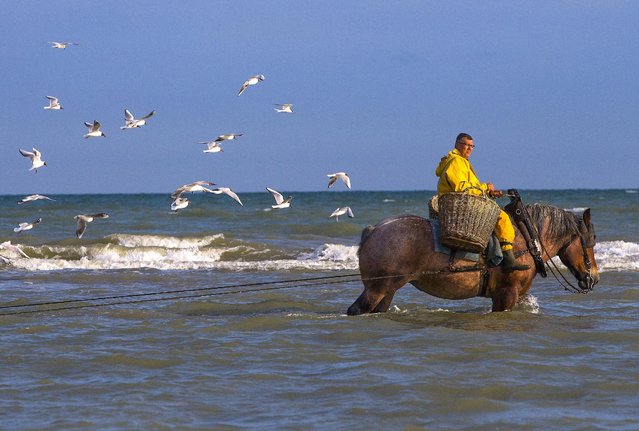
A Belgian shrimp fisherman rides a carthorse to haul a net out in the sea to catch shrimps during low tide at the coastal town of Oostduinkerke, Belgium July 3, 2015. (Photo by Yves Herman/Reuters)

A Belgian shrimp fisherman rides a carthorse to haul a net out in the sea to catch shrimps during low tide at the coastal town of Oostduinkerke, Belgium July 3, 2015. At the end of each fishing session, the fishermen and their mounts leave the water to empty the net's contents into two wicker baskets fixed on each side of the horse. This traditional method of catching shrimps along the North Sea coast, which dates back to some 500 years, attracts tourists every summer. In 2013, Unesco recognized shrimp fishing on horseback as an intangible cultural heritage. (Photo by Yves Herman/Reuters)
Details
04 Jul 2015 11:29:00
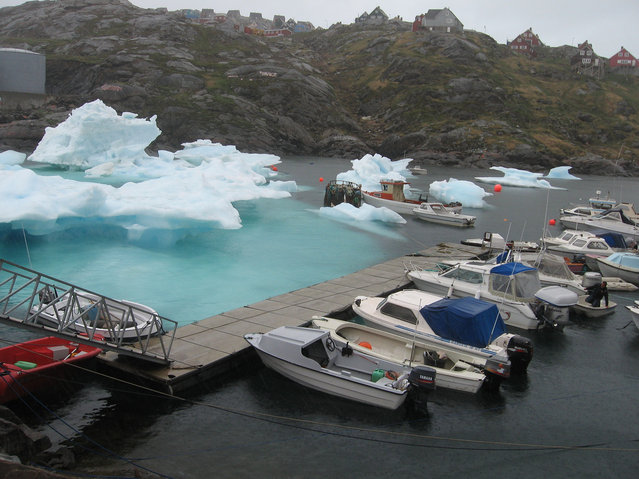
Tasiilaq Greenland

Tasiilaq, formerly Ammassalik and Angmagssalik, is a town in the Sermersooq municipality in southeastern Greenland. With 1,930 inhabitants as of 2010, it is the most populous community on the eastern coast, and the seventh-largest town in Greenland. The Sermilik Station, dedicated to the research of the nearby Mittivakkat Glacier, is located near the town.
Details
09 Mar 2015 11:33:00
Amazing Photo By Katarina Stefanovic

Katarina Stefanović is a passionate landscape photographer based in Belgrade, Serbia.
Details
23 Jun 2013 07:10:00
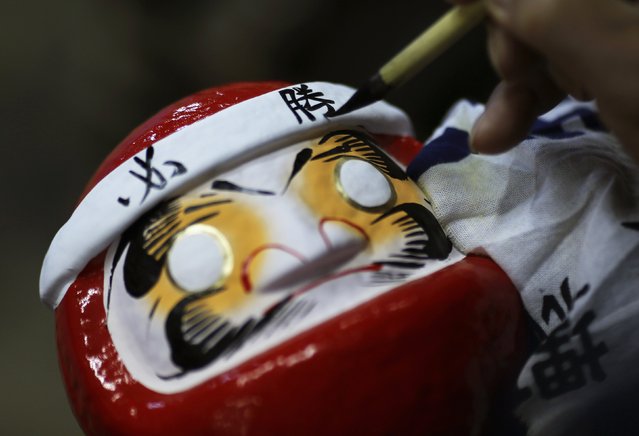
Japanese craftsman Sumikazu Nakata writes the Chinese character of “victory”, which is a part of the phrase “Certain victory”, as he adds the final touches on a Daruma doll, which is believed to bring good luck, at his studio “Daimonya” in Takasaki, northwest of Tokyo November 23, 2014. (Photo by Yuya Shino/Reuters)

Japanese craftsman Sumikazu Nakata writes the Chinese character of “victory”, which is a part of the phrase “Certain victory”, as he adds the final touches on a Daruma doll, which is believed to bring good luck, at his studio “Daimonya” in Takasaki, northwest of Tokyo November 23, 2014. Daruma dolls, representing the Indian priest Bodhidharma, the founder of Zen Buddhism in China, is used to bring luck. It is also a favorite item of election candidates where they traditionally paint only one eye on the doll when they start their campaign and paint the other eye if they win in the election. (Photo by Yuya Shino/Reuters)
Details
24 Nov 2014 13:39:00
Superhero Kids by Andy Fairhurst

Bat Kid

This is a series of illustrations by artist Andy Fairhurst of children's silhouettes as they pretend to be their favorite superheroes. They're awesome -- every single one (and there's 19!). Reminds me of when I was a kid on the school playground, swinging around on the tetherball rope pretending to be Spiderman. *sniffle* Nobody would ever play superheroes with me. "You weren't a very popular kid, were you?" You sh*t your pants in class ONE TIME.
Details
28 Dec 2012 12:55:00


Guiyu, China is known as the “Town of E-waste.” Thousands of its residents depend on processing electronic waste for a living. Guiyu receives its e-waste from China and from abroad, including places like Japan, Europe and America. Under Chinese law, most of the e-waste imported from overseas is illegal.
Details
01 Apr 2013 11:45:00