People are reflected in a shop window as they walk along a street in a shopping district in Tokyo, Japan June 25, 2015. (Photo by Thomas Peter/Reuters)
Customers are seen in front of a shop that reopened in central Copenhagen, Denmark, 01 March 2021. Shops reopened after several months of closure due to the coronavirus COVID-19 pandemic. (Photo by Philip Davali/EPA/EFE)
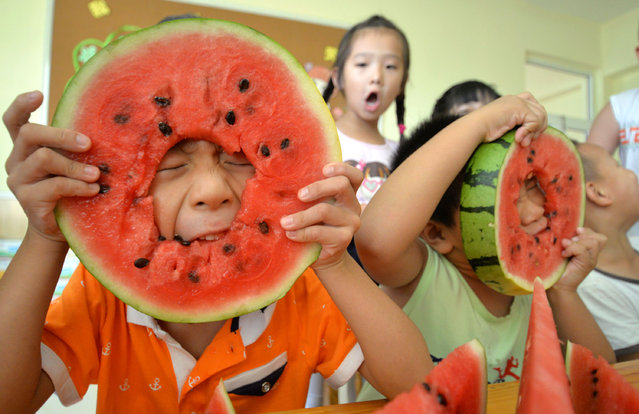
Children eat watermelons to meet the “beginning of autumn” at a kindergarten in Handan, China on August 7, 2015. Chinese tradition to eat watermelons or peaches before that day symbolises “biting away summer”. The solar term ‘beginning of autumn’ falls on 8 August this year. (Photo by Xinhua/REX Shutterstock)
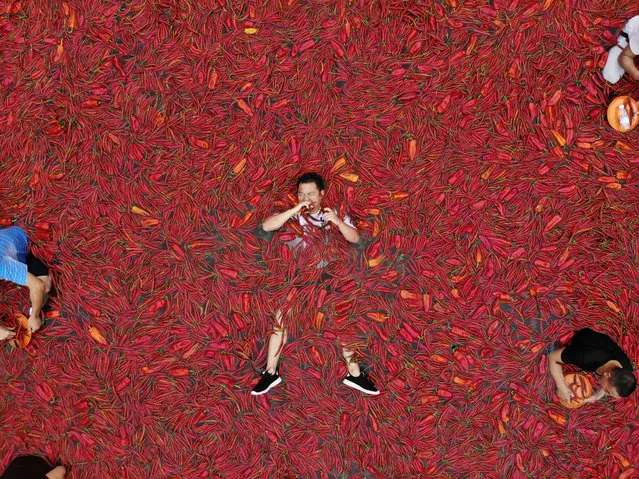
A contestant lies in a chili covered pool eating Chillies during a chili eating contest on July 8, 2018 in Ningxiang, Hunan Province of China. Citizen Tang Shuaihui ate 50 Chillies in one minute winning the contest. (Photo by VCG/Getty Images)
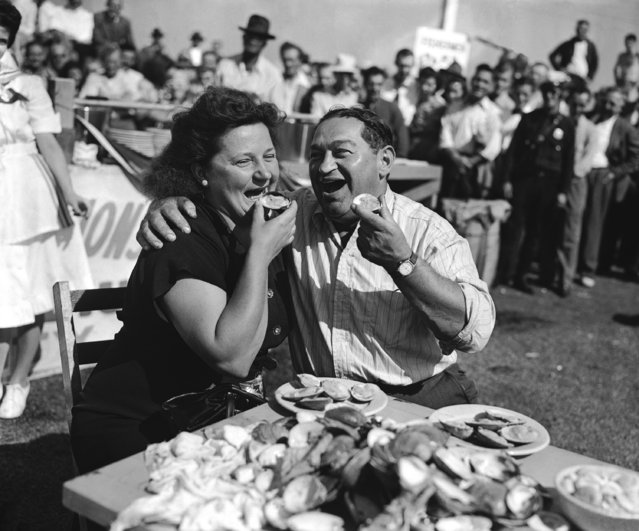
Catherine Hollis of Chester, Pa., and Izzy Weintraub of Atlantic City eat Cherrystone clams at Atlantic City's annual clam-eating contest September 16, 1946. They finished 96 and 66 clams respectively in 20 minutes. (Photo by Sam Myers/AP Photo)
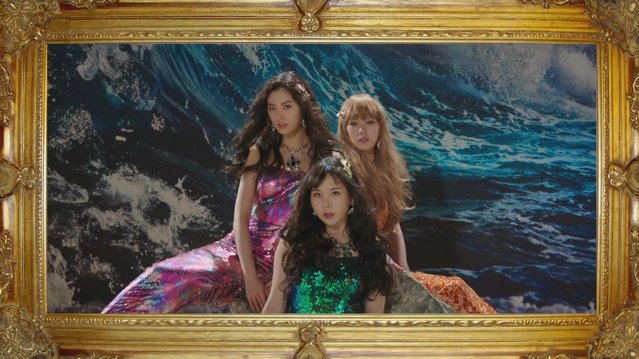
Orange Caramel (오렌지 캬라멜) – 까탈레나 (Catallena) – Korean. Is it worth eating live beings? This is a philosophical question: the history of our species and the ontology of being are saying that it's more likely yes, and on the other hand your mind and empathy are more likely to be against this idea. Or at least like in this Korean clip – eat, but with tears in your eyes.