Loading...
Done


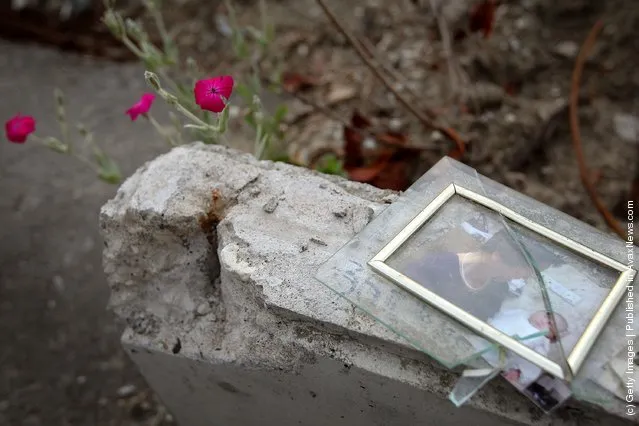
A broken picture frame is left in the tsunami-hit Arahama area, three months and two days after the magnitude 9.0 earthquake and subsequent tsunami on June 13, 2011 in Sendai, Miyagi, Japan. Japanese government has been struggling to deal with the earthquake and tsunami as well as the troubled Fukushima Daiichi Nuclear Power Plant. The fear on outbreak of virus infectious disease are mounting due to the humid rainy season on the corner and delay of the clearing the debris. (Photo by Kiyoshi Ota/Getty Images)
Details
14 Jun 2011 09:23:00
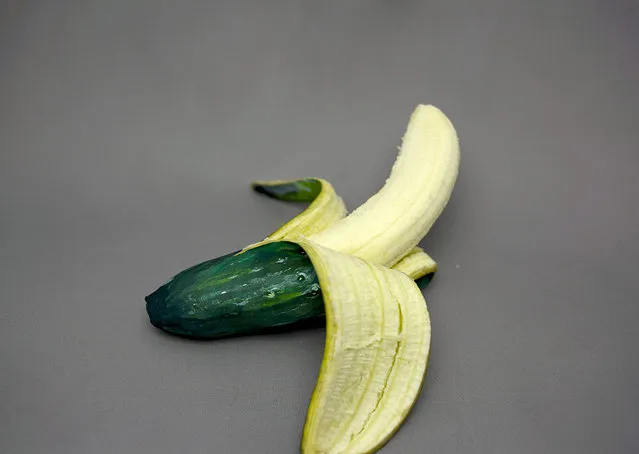
It’s Not What It Seems By Artist Hikaru Cho

Japanese artist Hikaru Cho is already well-known for her bizarre and realistic body paintings, but now the Tokyo-based artist has applied her talent to everyday food items as well. In her playful “It’s Not What It Seems” series, she turns common foods into other kinds of food using only acrylic paint and her extraordinary talent.
Details
22 Mar 2014 11:32:00
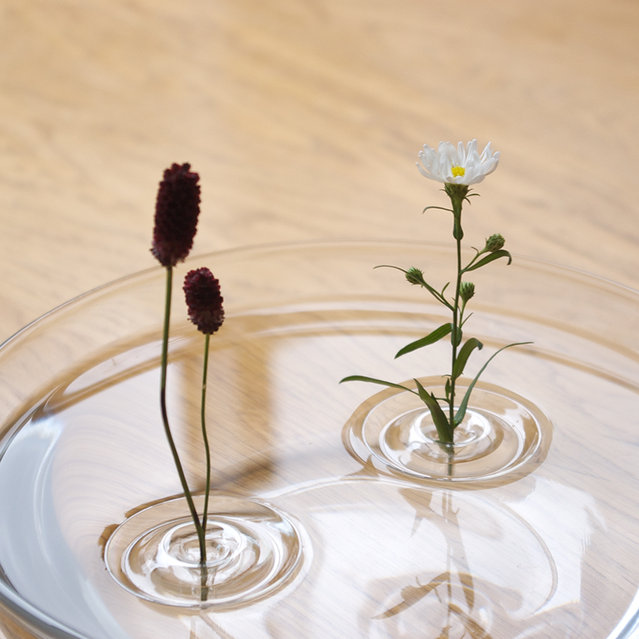
Floating Vases By ooDesign

This vase is simple as a piece of cake but it’s so special at the same time – it’s Floating Ripple vase by ooDesign. It’s a piece manufactured in glass that allows any transparent vase to look like ripples in water.
Long-stemmed flowers float vertically in the water and according to the movement of the air, they change their position within the container – so, what can I say? Japanese designers continue to create genially simple and natural-looking philosophic pieces that inspire everybody.
Details
14 Jun 2015 08:58:00
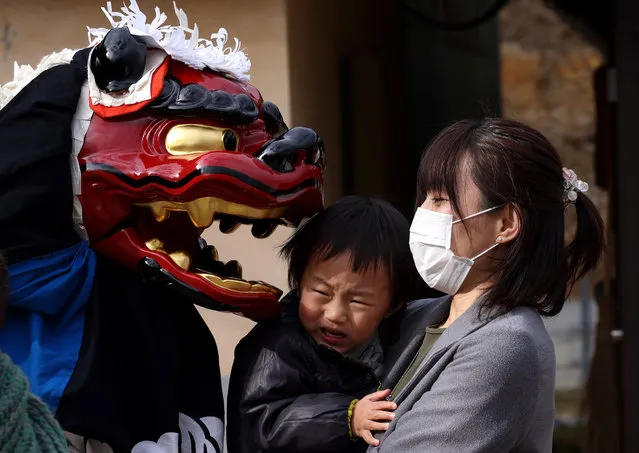
A performer wearing a lion mask performs the Ise Daikagura lion dance at the remote village of Yamanawa on February 08, 2021 in Ryuo, Japan. Ise Daikagura is a group of traditional Lion Dance performers who pray in front of farmers houses and businesses for good grain harvests and disease-free lives. Performers play sacred music using drums and flutes with two lion mask dancers. A lion mask is considered a symbol of God, who enters the house and performs in front of the Shinto God, a statue placed inside the house, mostly in the kitchen. These prayers are called “Kamodo Barai”. After the prayers, they are gifted with money, rice, sake and Japanese sweets from the householders. A group can travel for more than one hundred days to thousands of households and businesses throughout rural-villages in western Japan, and pray to those who are unable to visit the country’s most sacred shrine, the Grand Ise Shrine in Mie Prefecture. The group started its performance in the Edo era between 1603 to 1868 according to Japanese history. The Japanese government designated it as an important folk cultural national property in 1981. (Photo by Buddhika Weerasinghe/Getty Images)

A performer wearing a lion mask performs the Ise Daikagura lion dance at the remote village of Yamanawa on February 08, 2021 in Ryuo, Japan. Ise Daikagura is a group of traditional Lion Dance performers who pray in front of farmers houses and businesses for good grain harvests and disease-free lives. (Photo by Buddhika Weerasinghe/Getty Images)
Details
18 Feb 2021 09:27:00
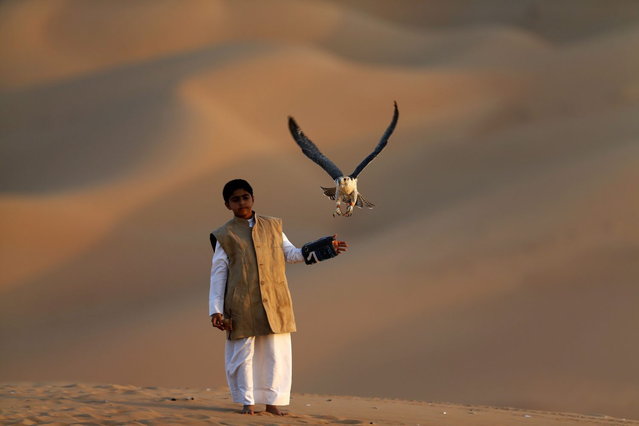
A young Emirati boy looks on as his falcon flies at the Liwa desert, 220 kms west of Abu Dhabi, on the sidelines of the Mazayin Dhafra Camel Festival on December 21, 2013. (Photo by Karim Sahib/AFP Photo)

A young Emirati boy looks on as his falcon flies at the Liwa desert, 220 kms west of Abu Dhabi, on the sidelines of the Mazayin Dhafra Camel Festival on December 21, 2013. The festival, which attracts participants from around the Gulf region, includes a camel beauty contest, a display of UAE handcrafts and other activities aimed at promoting the country's folklore. (Photo by Karim Sahib/AFP Photo)
Details
27 Dec 2013 10:55:00
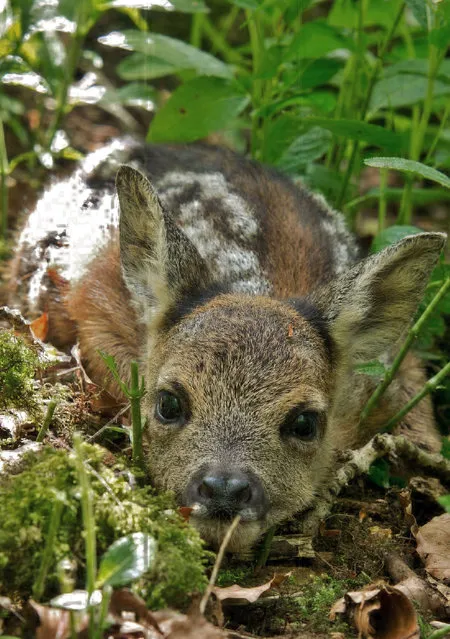
Young fawn shelters in the wood. He is so at one with nature that he knows how to call animals to him, and often gets within 30ft of them. (Photo by Adam Tatlow/BNPS)

Cotswold gamekeeper shoots amazing pictures of British wildlife – without the aid of long lenses and elaborate techniques. The photos may look like they have been shot from miles away – but amazingly Adam Tatlow is actually just feet away from his wild subjects. Photo: Young fawn shelters in the wood. He is so at one with nature that he knows how to call animals to him, and often gets within 30ft of them. (Photo by Adam Tatlow/BNPS)
Details
24 Sep 2013 08:31:00
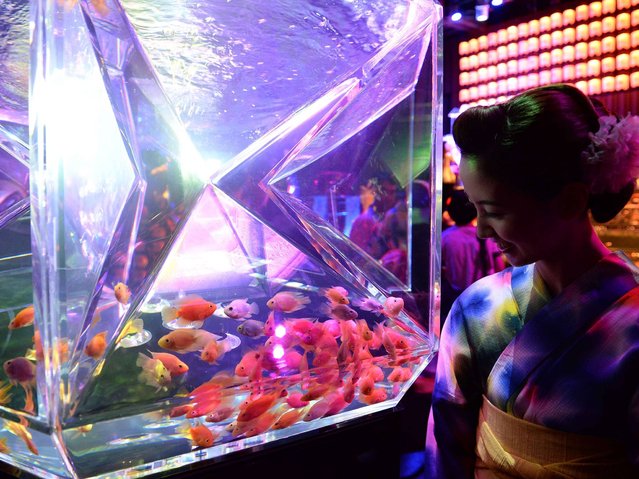
A young woman wearing the summer Kimono, “Yukata” watches the goldfishes during the press preview of “Eco Edo Nihombashi Art Aquarium 2014” exhibition in Tokyo on July 10, 2014. The two-month-long goldfish exhibition will starts July 11. (Photo by Toshifumi Kitamura/AFP Photo)

A young woman wearing the summer Kimono, “Yukata” watches the goldfishes during the press preview of “Eco Edo Nihombashi Art Aquarium 2014” exhibition in Tokyo on July 10, 2014. The two-month-long goldfish exhibition will starts July 11. (Photo by Toshifumi Kitamura/AFP Photo)
Details
14 Jul 2014 12:54:00
Young Christian Lebanese women, who are members of Kataeb Phalangist party, show their skill in handling arms while they train in a village between Christian-controlled eastern port of Jounieh and the Christian village of Zahle in the west Lebanon on September 9, 1976. The Lebanese civil war erupted in April 1975. (Photo by Erich Stering/AFP Photo)

Young Christian Lebanese women, who are members of Kataeb Phalangist party, show their skill in handling arms while they train in a village between Christian-controlled eastern port of Jounieh and the Christian village of Zahle in the west Lebanon on September 9, 1976. The Lebanese civil war erupted in April 1975. (Photo by Erich Stering/AFP Photo)
Details
24 Sep 2014 12:48:00