Loading...
Done
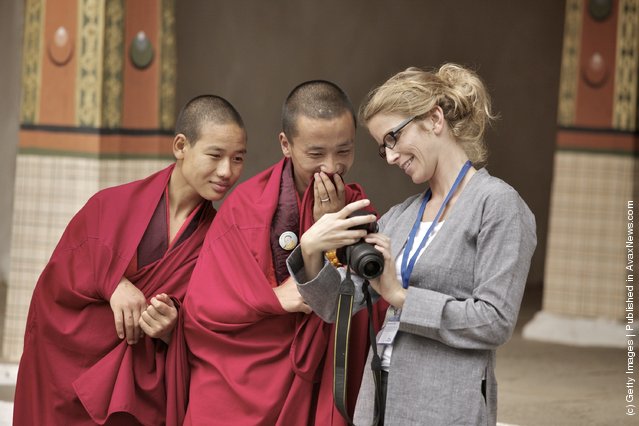
Young monks laugh at their own photos taken by a German photojournalist in the main courtyard of the Dzong

Young monks laugh at their own photos taken by a German photojournalist in the main courtyard of the Dzong on October 13, 2011 in Punakha, Bhutan. King Jigme Khesar Namgyel Wangchuck, 31 and Queen of Bhutan Ashi Jetsun Pema Wangchuck, 21 wed in Bhutan's historic 17th century Punakha Dzong the same venue that hosted the King's historical coronation ceremony in 2008. (Photo by Triston Yeo/Getty Images)
Details
18 Oct 2011 08:19:00


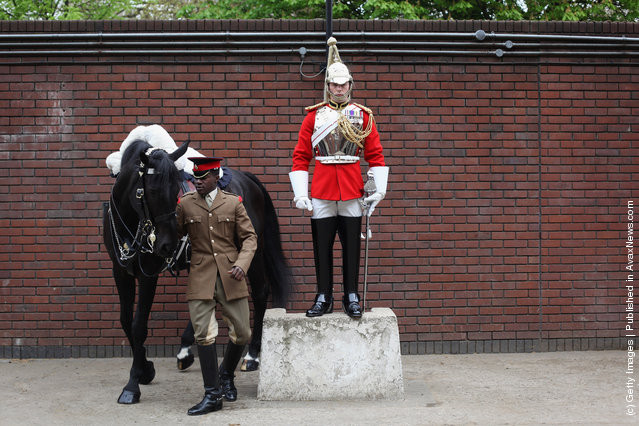
Corporal of Horse Andy Radford prepares to mount his horse in the parade square at Hyde Park Barracks on April 15, 2011 in London, England. Members of the Household Cavalry gave a behind the scenes tour of many of the duties performed as part of their daily routine, including special preparation ahead of the forthcoming Royal Wedding. The Household Cavalry will perform several ceremonial duties during the summer, including the Royal Wedding on April 29, and the Queen's Birthday Parade (Trooping the Colour) in June. (Photo by Dan Kitwood/Getty Images)
Details
16 Apr 2011 08:09:00
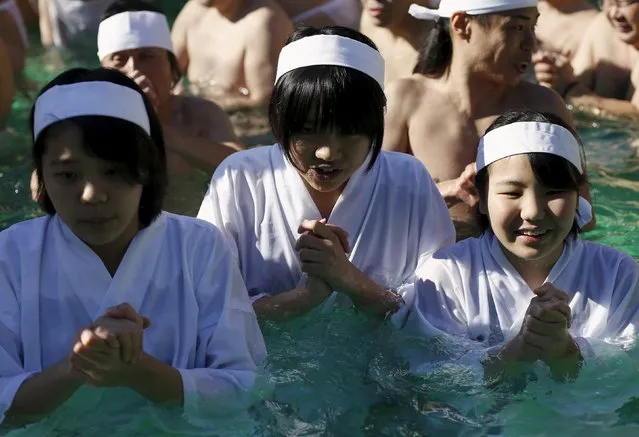
Women wearing "Shiroshozoku" or the traditional white robe pray as they bathe in ice-cold water at the Teppozu Inari shrine in Tokyo, Japan, January 10, 2016. (Photo by Yuya Shino/Reuters)

Women wearing "Shiroshozoku" or the traditional white robe pray as they bathe in ice-cold water at the Teppozu Inari shrine in Tokyo, Japan, January 10, 2016. About 100 participants took part in the Shinto ceremony to purify their souls and wish for good health in the new year. (Photo by Yuya Shino/Reuters)
Details
12 Jan 2016 08:04:00
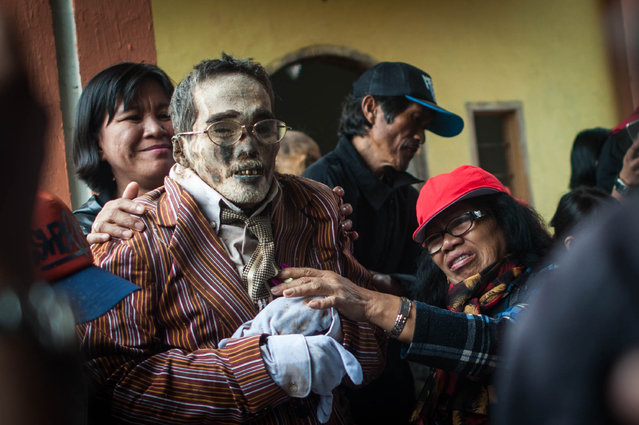
Relatives clean the body of Paul Sampe Lumba who has been dead for seven yeas during the Ma'nene ritual at Panggala Village on August 26, 2016 in Toraja, Indonesia. (Photo by Sijori Images/Barcroft Images)

Relatives clean the body of Paul Sampe Lumba who has been dead for seven yeas during the Ma'nene ritual at Panggala Village on August 26, 2016 in Toraja, Indonesia. The Ma'nene ritual in performed during a ceremony every three years, where the dead are exhumed for a change of clothes, among the people of Toraja as an expression of the love of the surviving family. (Photo by Sijori Images/Barcroft Images)
Details
09 Sep 2016 09:12:00


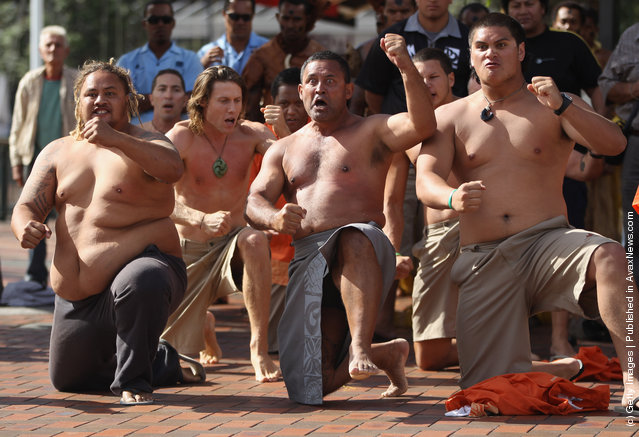
A Haka is performed before the ceremonial departure of the 'vaka' or traditional canoes ahead of their cross-Pacific voyage from Viaduct Harbour on April 13, 2011 in Auckland, New Zealand. Powered by sun and wind only, the 15,000 nautical mile journey to Hawaii via French Polynesia will set off on April 15, aiming to raise awareness of environmental issues such as ocean noise pollution, acidification and anoxic waters, whilst recapturing traditional Pacific voyaging. The votyage is named “Te Mana o Te Moana” meaning “The Spirit of the Sea”. (Photo by Phil Walter/Getty Images)
Details
13 Apr 2011 07:45:00
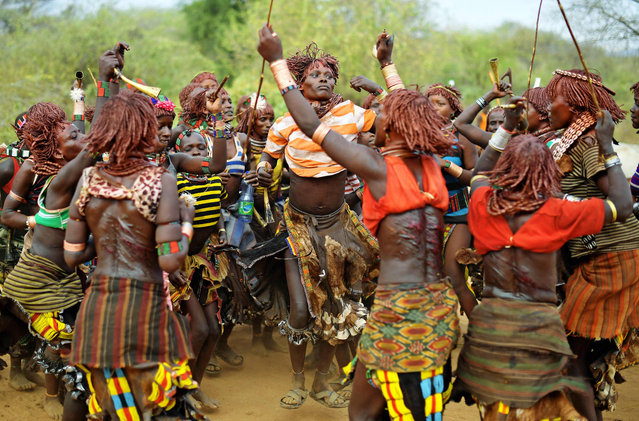
Hamar women dance before a bull jumping ceremony in Ethiopia's southern Omo Valley region near Turmi on September 19, 2016. The Hamar are a Nilotic ethnic group in Ethiopia. The construction of the Gibe III dam, the third largest hydroelectric plant in Africa, and large areas of very “thirsty” cotton and sugar plantations and factories along the Omo river are impacting heavily on the lives of tribes living in the Omo Valley who depend on the river for their survival and way of life. Human rights groups fear for the future of the tribes if they are forced to scatter, give up traditional ways through loss of land or ability to keep cattle as globalisation and development increases. (Photo by Carl De Souza/AFP Photo)

Hamar women dance before a bull jumping ceremony in Ethiopia's southern Omo Valley region near Turmi on September 19, 2016. The Hamar are a Nilotic ethnic group in Ethiopia. The construction of the Gibe III dam, the third largest hydroelectric plant in Africa, and large areas of very “thirsty” cotton and sugar plantations and factories along the Omo river are impacting heavily on the lives of tribes living in the Omo Valley who depend on the river for their survival and way of life. (Photo by Carl De Souza/AFP Photo)
Details
02 Oct 2016 08:45:00
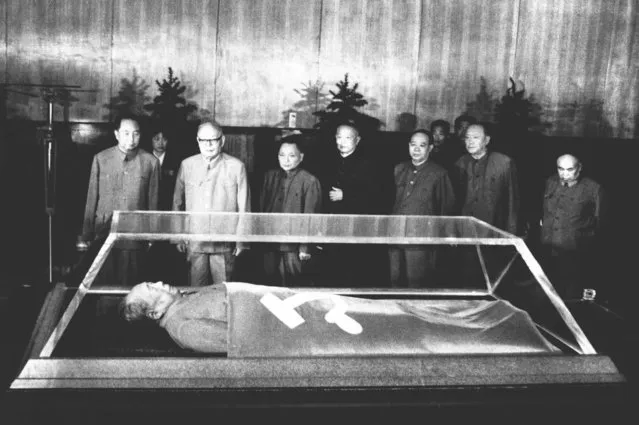
In this September 10, 1977, file photo, from left, Hua Guofeng, Chinese Communist Party (CCP) chairman and Mao Zedong's immediate successor; Ye Jianying, CCP vice chairman and future ceremonial head of state; Deng Xiaoping, no formal titles at the time but soon to emerge as paramount leader during the reform era; Li Xiannian, CCP vice chairman and future president; Wang Dongxing, head of the leadership bodyguard unit who helped topple the Gang of Four, view the body of later Chinese leader Mao Zedong in Beijing. (Photo via AP Photo)

In this September 10, 1977, file photo, from left, Hua Guofeng, Chinese Communist Party (CCP) chairman and Mao Zedong's immediate successor; Ye Jianying, CCP vice chairman and future ceremonial head of state; Deng Xiaoping, no formal titles at the time but soon to emerge as paramount leader during the reform era; Li Xiannian, CCP vice chairman and future president; Wang Dongxing, head of the leadership bodyguard unit who helped topple the Gang of Four, view the body of later Chinese leader Mao Zedong in Beijing. (Photo via AP Photo)
Details
13 Jun 2016 10:34:00
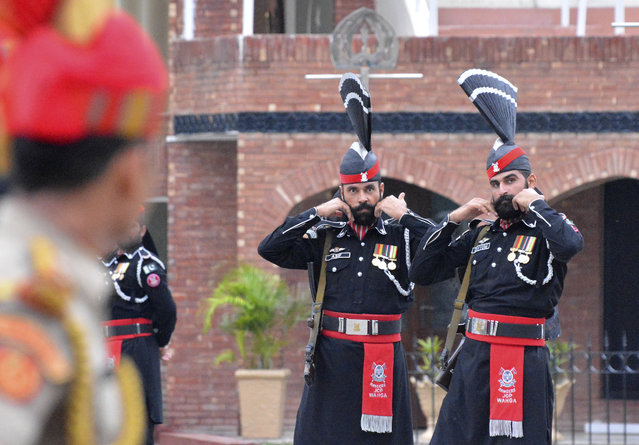
In this Friday, August 9, 2019, file photo, Pakistan Rangers soldiers face Indian Border Security Force soldiers at a daily closing ceremony on the Indian side of the Attari-Wagah border. India's recent clampdown has a long history in Kashmir and the conflict has existed since the late 1940s, when India and Pakistan won independence from the British empire and began fighting over rival claims to the Muslim-majority territory. India and Pakistan have fought two of their three subsequent wars over Kashmir, and each administers a portion of the region. India has long seen the Kashmiri struggle for self-determination as Islamabad's proxy war against New Delhi. (Photo by Prabhjot Gill/AP Photo/File)

In this Friday, August 9, 2019, file photo, Pakistan Rangers soldiers face Indian Border Security Force soldiers at a daily closing ceremony on the Indian side of the Attari-Wagah border. India's recent clampdown has a long history in Kashmir and the conflict has existed since the late 1940s, when India and Pakistan won independence from the British empire and began fighting over rival claims to the Muslim-majority territory. India and Pakistan have fought two of their three subsequent wars over Kashmir, and each administers a portion of the region. India has long seen the Kashmiri struggle for self-determination as Islamabad's proxy war against New Delhi. (Photo by Prabhjot Gill/AP Photo/File)
Details
02 Oct 2019 00:01:00