Loading...
Done
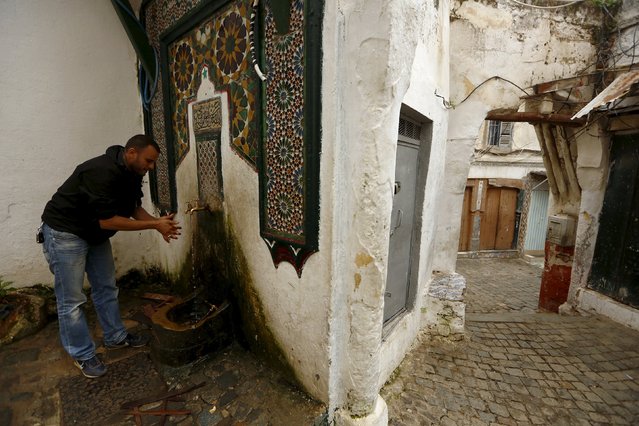
A man performs ablution using water at an old fountain before performing prayers in the old city of Algiers Al Casbah, Algeria December 3, 2015. (Photo by Zohra Bensemra/Reuters)

A man performs ablution using water at an old fountain before performing prayers in the old city of Algiers Al Casbah, Algeria December 3, 2015. The Algiers Casbah is a UNESCO World heritage site that includes the Sidi Ramdane mosque and former fortress, 10 centuries old. Decay from the passing years, as well as earthquake damage in 2003, leads some to consider a move to modern apartments with financial backing from the government. Others refuse to leave a neighbourhood they have called home for decades. (Photo by Zohra Bensemra/Reuters)
Details
22 Jan 2016 11:00:00
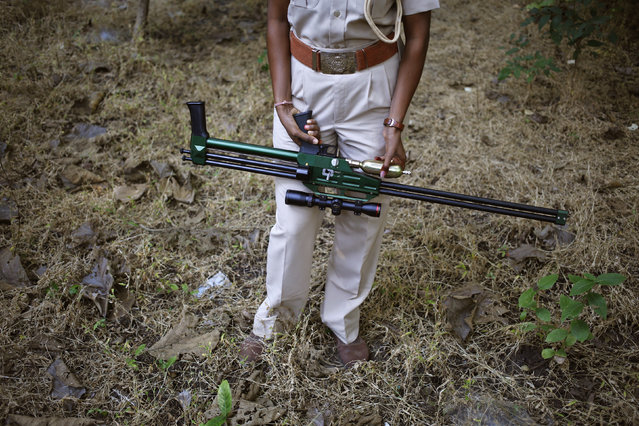
A female forest guard carries a tranquillizer gun in the Gir National Park and Wildlife Sanctuary in Sasan, in Gujarat December 2, 2014. (Photo by Anindito Mukherjee/Reuters)

A female forest guard carries a tranquillizer gun in the Gir National Park and Wildlife Sanctuary in Sasan, in Gujarat December 2, 2014. The sanctuary, which is home to Asiatic lions in India, has an area of 1,412 sq km in which female guards were employed for the first time in India in 2007. The guards fetch a monthly salary of around $148 for working almost 12 hours a day, six days a week, said one of the female guards. (Photo by Anindito Mukherjee/Reuters)
Details
10 Dec 2014 12:37:00
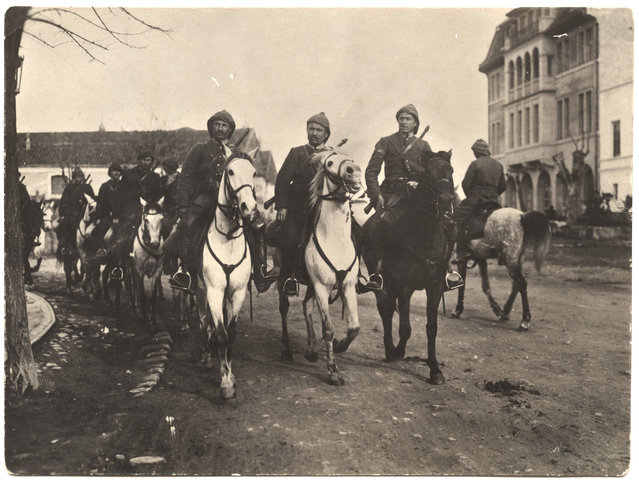
Turkish army, including cavalry, infantry and artillery. (Photo by Dr. P.A. Smithe/National World War I Museum, Kansas City, Mo.)

Dr. P.A. Smithe was sent by the American Red Cross as a doctor and surgeon to work at a hospital in Vienna. He sailed to Europe in December 1915 and returned home in August 1916, according to his daughter, who donated his images to the National World War I Museum. Photo: Turkish army, including cavalry, infantry and artillery. (Photo by Dr. P.A. Smithe/National World War I Museum, Kansas City, Mo.)
Details
29 Jul 2014 11:53:00
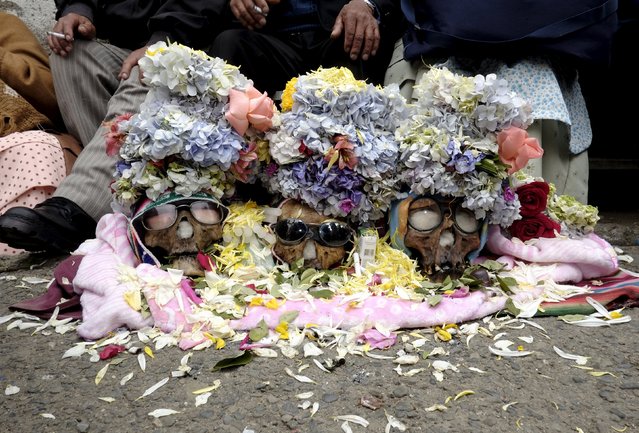
Skulls placed on the floor are seen during a ceremony held for the "Dia de las natitas" (Day of the Skull) celebrations at the General Cemetery of La Paz, November 8, 2015. (Photo by David Mercado/Reuters)

Skulls placed on the floor are seen during a ceremony held for the "Dia de las natitas" (Day of the Skull) celebrations at the General Cemetery of La Paz, November 8, 2015. Bolivians, who keep close relatives skulls at home as a macabre talisman, flock to the cemetery chapel once a year to have the craniums blessed and to bring themselves good luck in the future. (Photo by David Mercado/Reuters)
Details
12 Nov 2015 08:01:00
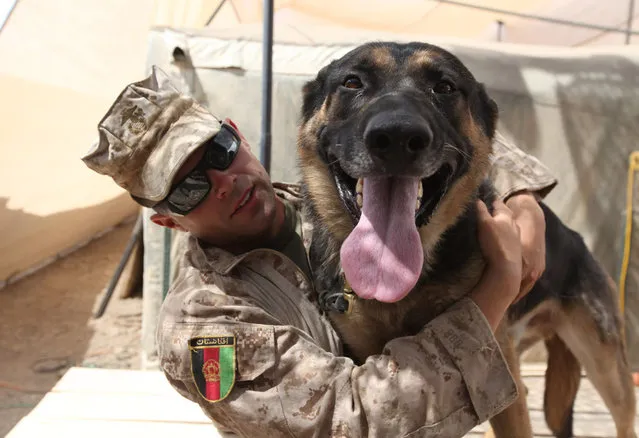
Afghanistan: Dogs of War Part 1

Throughout the course of the long war in Afghanistan, Coalition troops have relied on thousands of military working dogs to help keep them safe, and make their jobs easier. The dogs are trained to detect explosives, to find illegal drugs, to search for missing comrades, or target enemy combatants. Not only are they active on the front lines, but behind the lines they serve as therapy dogs, service dogs, and loyal companions. They also share the same risks as the ground troops, suffering injuries and sometimes death on the battlefields. Gathered here are images of these dogs and their handlers in Afghanistan and back home, from over the past several years, part of the ongoing series here on Afghanistan.
Details
03 Jun 2014 21:02:00
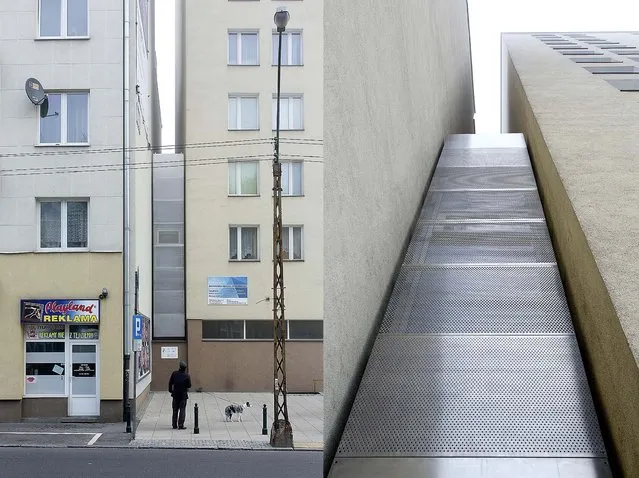
The Keret House is squeezed into the space between two apartment buildings in Warsaw. There's a four-inch gap between the apartment buildings to either side. A perforated steel facade was used to allow in more light. (Photo by Andrea Meichsner/The New York Times)

Measuring just five feet at its widest point, the ultra-thin home was unveiled in the Polish capital of Warsaw on Sunday, October 21, 2012. Photo: The Keret House is squeezed into the space between two apartment buildings in Warsaw. There's a four-inch gap between the apartment buildings to either side. A perforated steel facade was used to allow in more light. (Photo by Andrea Meichsner/The New York Times)
Details
25 Oct 2012 10:25:00


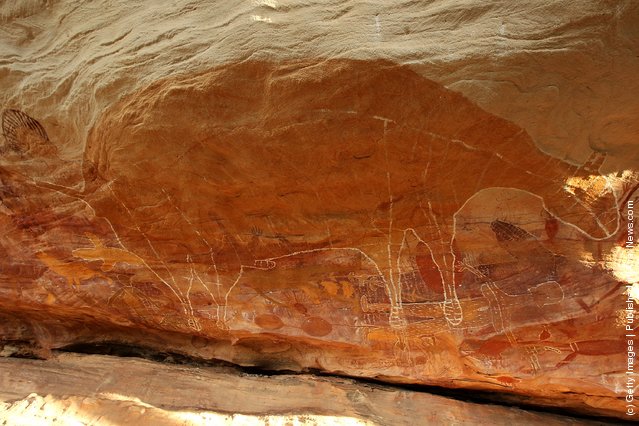
The artwork of Giant Horse Aboriginal rock art galleries in the Quinkan Country is seen on June 19, 2011 in Laura, Australia. The ancient aboriginal rock art in this region is some of the largest and oldest in the world, dating back over 15,000 years. Paintings, stencil art and engravings cover thelands traditionally home to the Kuku, Yalanji, Guugu Yimithirr and Kuku Thaypan people. As a UNESCO-identified top 10 rock art site in the world, international travelers visit the area to learn and understand the aboriginal culture through the artwork. (Photo by Mark Kolbe/Getty Images)
Details
23 Jun 2011 10:12:00
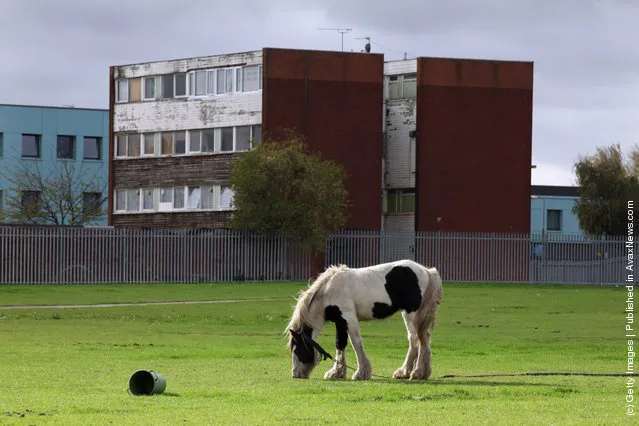
A pet horse

A pet horse tethered on land known as “The Cracker” in Tipton that may be seized by bailiffs on October 10, 2011 in Dudley, England. Horse lovers in Tipton are battling the local council over the tradition of keeping their horses tethered on public land near their homes. Locals say tradition that has been in existence for generations and believe it stems from the age of the canal when many local men used their horses to tow canal barges along the industrial Black Country canals. After a spate of horses running free Sandwell Council are now enforcing the law and impounding tethered horses. Locals are planning their next protest with a horse drive to the council headquarters to try and save their traditions. (Photo by Christopher Furlong/Getty Images)
Details
14 Oct 2011 09:10:00