Loading...
Done
Krubera Cave Gerogia

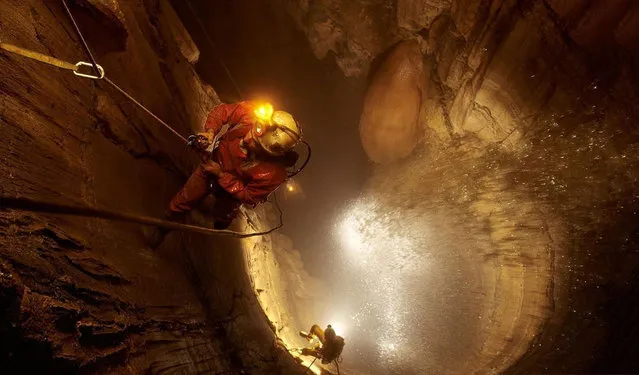
Krubera Cave is the deepest known cave on Earth. It is located in the Arabika Massif of the Gagrinsky Range of the Western Caucasus, in the Gagra district of Abkhazia, a breakaway region of Georgia.
Details
06 Jul 2014 20:33:00
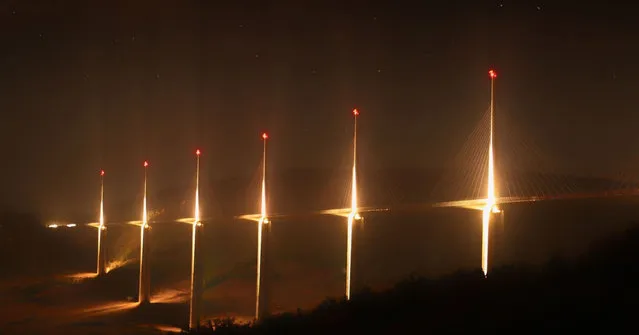
The Millau Viaduct Bridge In France

The Millau Viaduct is a cable-stayed bridge that spans the valley of the River Tarn near Millau in southern France. Designed by the French structural engineer Michel Virlogeux and British architect Norman Foster, it is the tallest bridge in the world with one mast's summit at 343.0 metres (1,125 ft) above the base of the structure.
Details
09 Jul 2014 10:18:00
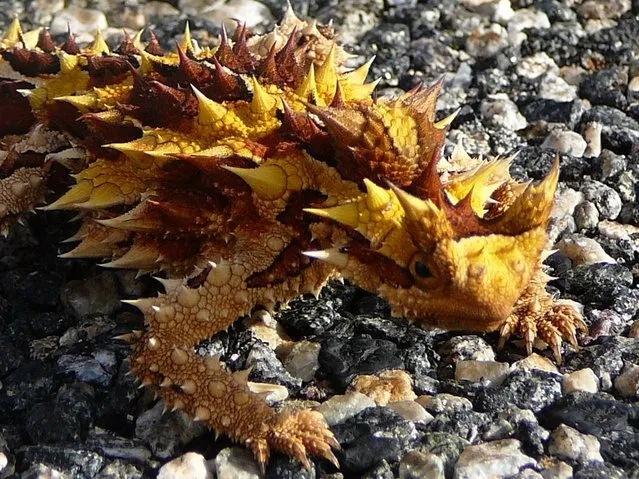
The Thorny Dragon Or Thorny Devil

The thorny dragon or thorny devil (Moloch horridus) is an Australian lizard, also known as the mountain devil, the thorny lizard, or the moloch. This is the sole species of genus Moloch. The thorny devil grows up to 20 cm (8.0 in) in length, and it can live up to 20 years.
Details
23 Jul 2014 20:20:00
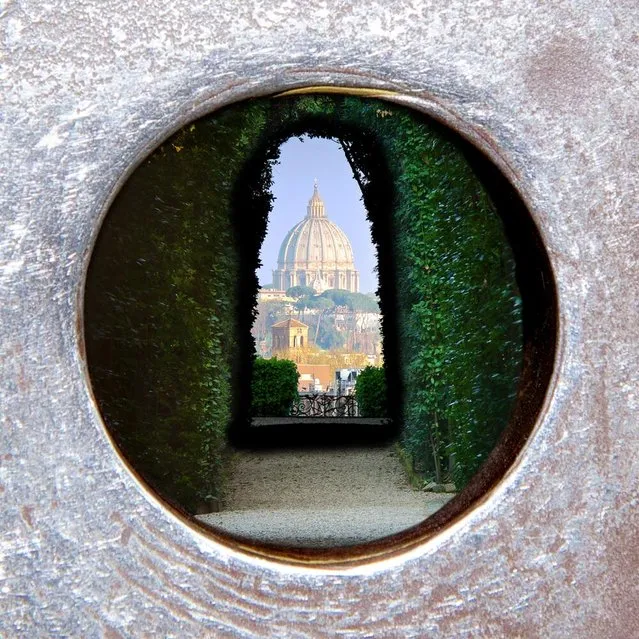
Villa Del Priorato Di Malta - Secrets In Rome

What do you imagine when you look through a key hole? Do you imagine seeing a Wonderland with a sinister Queen of Heart ruling over a magical kingdom? Or you might imagine an eye staring back at you, if you’re a fan of horror movies. Least of all do you expect seeing a picturesque view of St. Peter’s Dome, perfectly framed by green hedges. Is it a lucky coincidence, or was it intended by the maker? We might never know. However, this became a curious sightseeing spot for many tourists who visit Rome. Thus, if you’re ever in the area of Priorato dei Cavalieri di Malta, be sure to peep into this key hole.
Details
27 Oct 2014 11:40:00
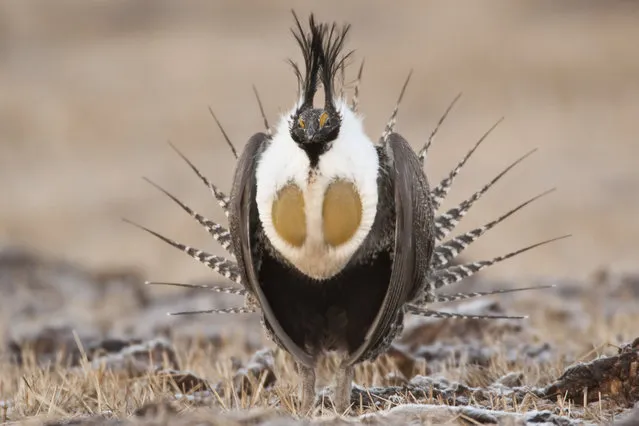
Greater Sage-Grouse

The Greater Sage-Grouse is certainly a formidable-looking bird. Being the largest grouse in North America and having tail feathers, which look like giant spikes, make for a ferocious sight. These birds are well known for their complicated courtship rituals, in which the males perform a special “strutting display” to attract the females. Another distinct feature of the Greater Sage-Grouse is two large yellow throat sacs (gular sacs), which are inflated by the males during the courtship display. Unlike pelicans, whose gular sacs are used to store fish while hunting, the throat sacks of the Greater Sage-Grouse are merely for display.
Details
21 Nov 2014 12:25:00


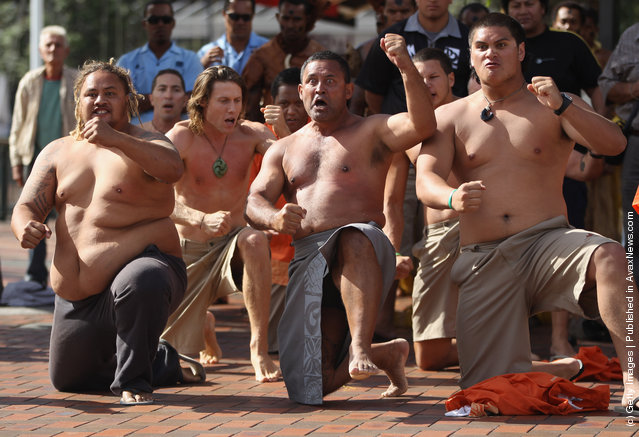
A Haka is performed before the ceremonial departure of the 'vaka' or traditional canoes ahead of their cross-Pacific voyage from Viaduct Harbour on April 13, 2011 in Auckland, New Zealand. Powered by sun and wind only, the 15,000 nautical mile journey to Hawaii via French Polynesia will set off on April 15, aiming to raise awareness of environmental issues such as ocean noise pollution, acidification and anoxic waters, whilst recapturing traditional Pacific voyaging. The votyage is named “Te Mana o Te Moana” meaning “The Spirit of the Sea”. (Photo by Phil Walter/Getty Images)
Details
13 Apr 2011 07:45:00


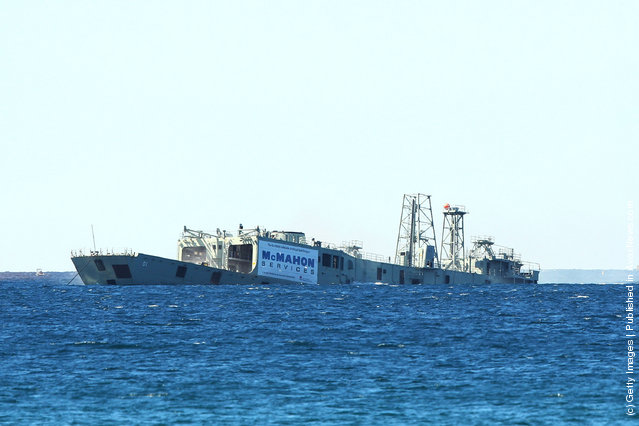
The HMAS Adelaide is scuttled off the coast of Avoca Beach on April 13, 2011 in Gosford, Australia. After the scuttling was succesfully protested in 2010, today the HMAS Adelaide was finally scuttled off the NSW Central Coast to create an artifical reef, the first of its kind in this state. (Photo by Brendon Thorne/Getty Images)
Details
13 Apr 2011 10:11:00


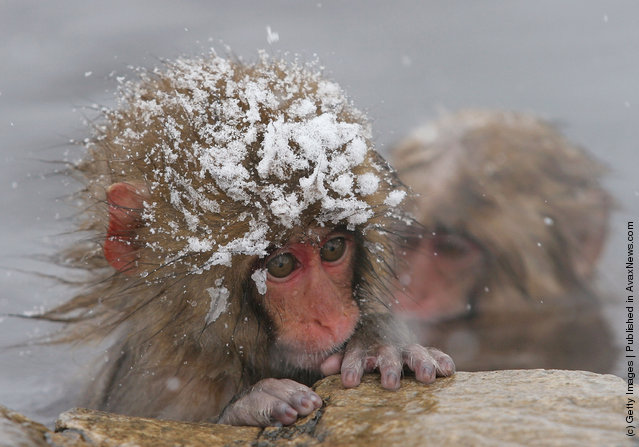
Japanese macaque monkeys enjoy sitting in the hot springs at Jigokudani-Onsen (Hell Valley) on January 23, 2005 in Jigokudani, Nagano-Prefecture, Japan. Japanese Macaques, also known as snow monkeys are the most northerly nonhuman primate in the world. In 1963 a female Macaque ventured into the hot springs to retrieve some soybeans. This behaviour was adopted by other monkeys, and eventually by the entire troop. This Macaque troop regularly visits the Jigokudani-Onsen springs to escape the cold. The hot springs are said to help relieve nerve pain and fatigue. (Photo by Koichi Kamoshida/Getty Images)
Details
20 May 2011 08:04:00