Loading...
Done
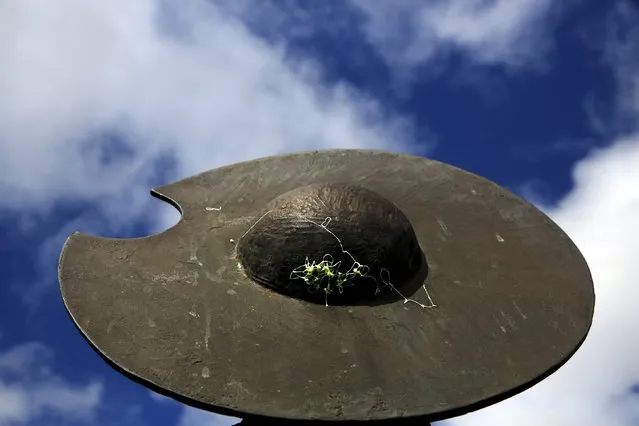
A sculpture of Don Quixote shows him wearing the basin he mistook for the enchanted helmet of the fictional Moorish king Mambrino in Alcazar de San Juan, Spain, April 5, 2016. (Photo by Susana Vera/Reuters)

A sculpture of Don Quixote shows him wearing the basin he mistook for the enchanted helmet of the fictional Moorish king Mambrino in Alcazar de San Juan, Spain, April 5, 2016. The arid central Spanish region of La Mancha is the setting for “Don Quixote”, the seventeenth-century novel by Miguel de Cervantes. Four hundred years after his death, references to the characters of Don Quixote, his loyal squire Sancho Panza and his beautiful lady Dulcinea abound in the surrounding villages from sweet treats to theatre productions involving livestock. Cervantes did not give away the name of the birthplace of Don Quixote, a middle-aged gentleman who becomes obsessed with chivalrous ideals. But many identify the village of Argamasilla de Alba as his hometown. The anniversary of Cervantes’ death is marked on the 23 April. (Photo by Susana Vera/Reuters)
Details
21 Apr 2016 12:32:00
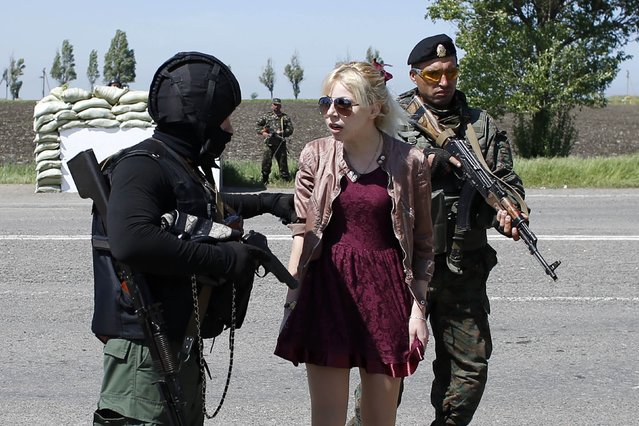
A woman is led aside as her partner is detained by Ukrainian security forces for being aggressive at an army checkpoint in the southeastern port city of Mariupol, on May 11, 2014. Residents’ attitudes appear to have hardened considerably with the deaths of dozens of pro-Russian activists in the city of Odessa this month and with reports that troops fired at a crowd in Mariupol last week. (Photo by Marko Djurica/Reuters)

A woman is led aside as her partner is detained by Ukrainian security forces for being aggressive at an army checkpoint in the southeastern port city of Mariupol, on May 11, 2014. Residents’ attitudes appear to have hardened considerably with the deaths of dozens of pro-Russian activists in the city of Odessa this month and with reports that troops fired at a crowd in Mariupol last week. (Photo by Marko Djurica/Reuters)
Details
12 May 2014 09:53:00
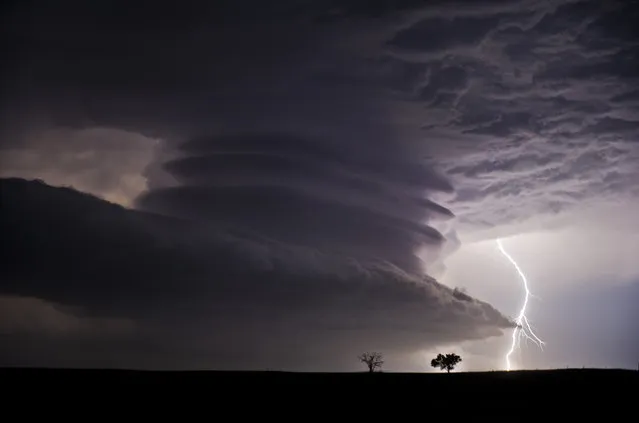
“Stacked Supercell with Lightning”. This huge mesocyclone supercell was near the Nebraska / Kansas border on the night of June 22nd, 2012. What a stunning structure! (Photo and caption by Jennifer Brindley/National Geographic Traveler Photo Contest)

“Stacked Supercell with Lightning”. This huge mesocyclone supercell was near the Nebraska / Kansas border on the night of June 22nd, 2012. What a stunning structure! (Photo and caption by Jennifer Brindley/National Geographic Traveler Photo Contest)

ATTENTION! All pictures are presented in high resolution. To see Hi-Res images – just TWICE click on any picture. In other words, click small picture – opens the BIG picture. Click BIG picture – opens VERY BIG picture.
Details
25 Jun 2013 13:12:00
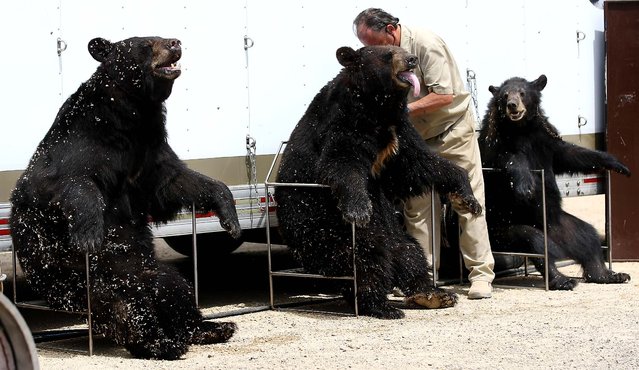
Bob Steele, of Jefferson, Texas, positions his bears during The Great Bear Show at the Dubuque (Iowa) County Fair on July 25, 2012. (Photo by Jessica Reilly/Telegraph Herald)

Bob Steele, of Jefferson, Texas, positions his bears during The Great Bear Show at the Dubuque (Iowa) County Fair on July 25, 2012. (Photo by Jessica Reilly/Telegraph Herald)
Details
28 Jul 2012 08:43:00
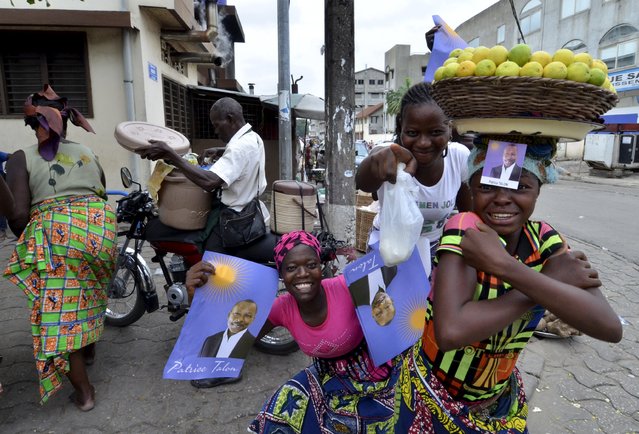
Street vendors hold campaign posters for presidential candidate Patrice Talon ahead of the second round of Benin's presidential election on Sunday in Cotonou, Benin, March 18, 2016. (Photo by Charles Placide Tossou/Reuters)

Street vendors hold campaign posters for presidential candidate Patrice Talon ahead of the second round of Benin's presidential election on Sunday in Cotonou, Benin, March 18, 2016. (Photo by Charles Placide Tossou/Reuters)
Details
19 Mar 2016 12:55:00
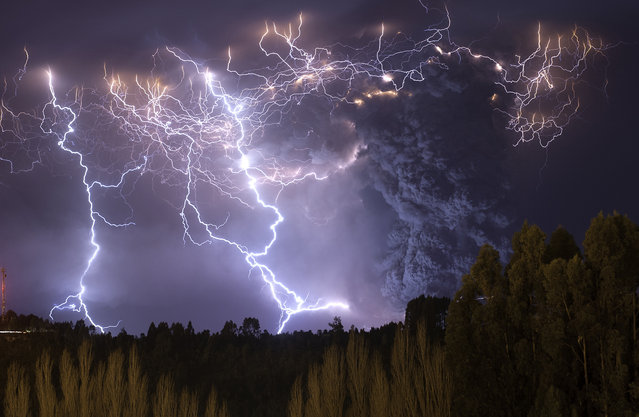
The eruption of Cordon Caulle began on June 4, 2011, located in the Region of Los Rios in Chile. For about 12 months, people and animals became accustomed to living with the daily fall of ash, which also caused problems in the air traffic in South America. The explosions and lightning during first days of the eruption could be seen from hundreds of miles around. This photograph was taken on the second night of eruption from the town of Lago Ranco. (Photo and caption by Francisco Negroni/National Geographic Traveler Photo Contest)

The eruption of Cordon Caulle began on June 4, 2011, located in the Region of Los Rios in Chile. For about 12 months, people and animals became accustomed to living with the daily fall of ash, which also caused problems in the air traffic in South America. The explosions and lightning during first days of the eruption could be seen from hundreds of miles around. This photograph was taken on the second night of eruption from the town of Lago Ranco. (Photo and caption by Francisco Negroni/National Geographic Traveler Photo Contest)

ATTENTION! All pictures are presented in high resolution. To see Hi-Res images – just TWICE click on any picture. In other words, click small picture – opens the BIG picture. Click BIG picture – opens VERY BIG picture.
Details
23 Jun 2013 11:24:00
A woman has her hair blown by the wind during a snowstorm in Quebec City, on December 22, 2013. (Photo by Mathieu Belanger/Reuters)

A woman has her hair blown by the wind during a snowstorm in Quebec City, on December 22, 2013. (Photo by Mathieu Belanger/Reuters)
Details
28 Dec 2013 12:50:00
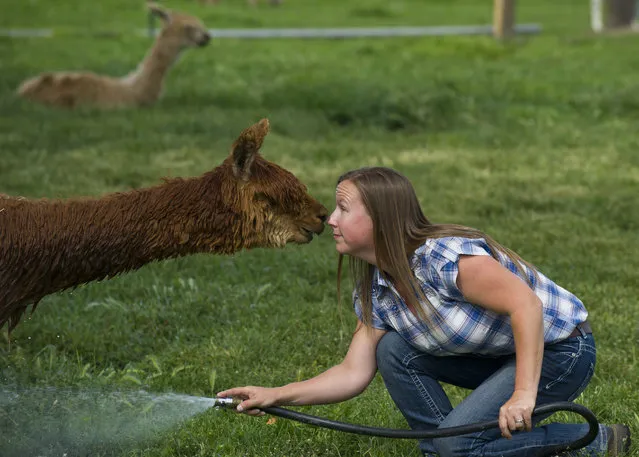
Elaine Vandiver shares a moment with a two-year old alpaca as they touch noses as she washes him at her farm at 1560 Stateline Road Monday, May 11, 2015, in Walla Walla, Wash. (Photo by Michael Lopez/Walla Walla Union-Bulletin via AP Photo)

Elaine Vandiver shares a moment with a two-year old alpaca as they touch noses as she washes him at her farm at 1560 Stateline Road Monday, May 11, 2015, in Walla Walla, Wash. (Photo by Michael Lopez/Walla Walla Union-Bulletin via AP Photo)
Details
16 May 2015 12:27:00