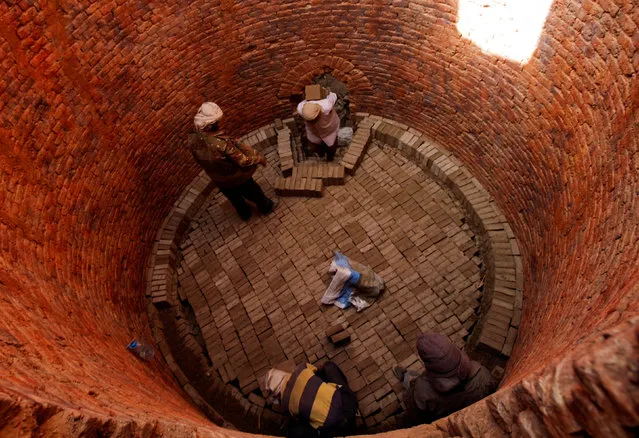
Labourers stack dried bricks inside a kiln, where they will be fired, at a brick factory on the outskirt of Sanaa, Yemen, June 1, 2016. Traditional mud brick tower houses have always been a source of pride to Yemenis, and over a year into a devastating civil war, they are also providing some much-needed jobs in the ancient capital Sanaa. (Photo by Mohamed al-Sayaghi/Reuters)
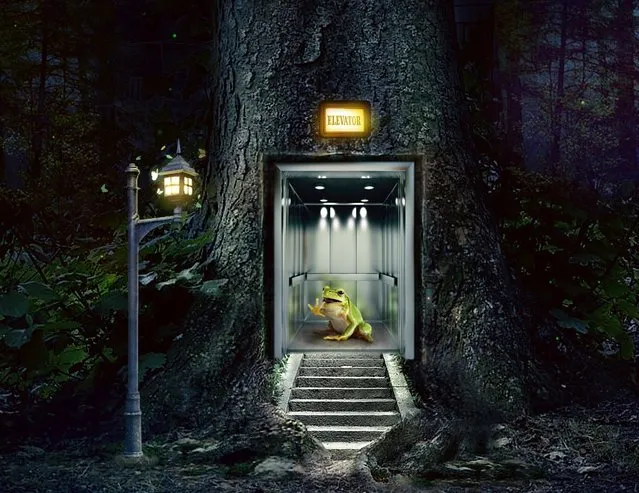
Anil Saxena from Mumbay, India creates amazing photo manipulations using Photoshop. These surreal photos will truly amaze you. Anil started out doing conventional darkroom photo composition and retouching them before moving these skills over to Photoshop. He is a true perfectionist: “If the image is a success but my work goes unnoticed, I’m doing my job well.” says Anil. I think we definitely should notice these works, because what he does is amazing!
California-based photographer Seth Casteel made his name taking photographs of dogs underwater, but before that, he was snapping cats on land. In fact, they were his first animal subjects. Casteel’s new book, Pounce – a follow-up to his bestselling Underwater Dogs and Underwater Puppies – features more than 80 photographs of playful cats doing what they do best. Here: Fuzzbucket. (Photo by Seth Casteel/Hachette Australia)
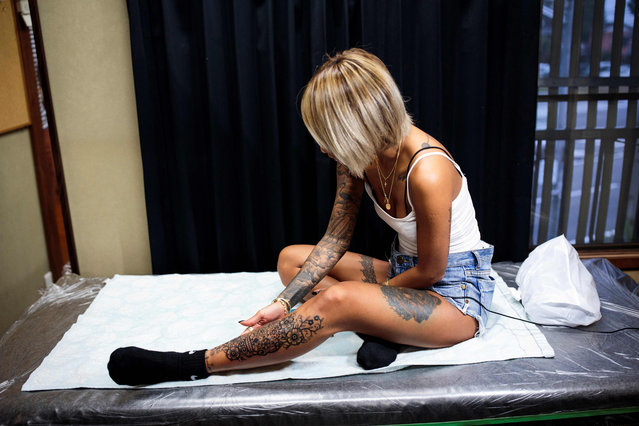
In this picture taken on October 28, 2017, former Japanese p*rn star Mana Izumi checks her new tattoo at a tattoo studio in Tsurugashima, Saitama prefecture. Tattoos still provoke deep-rooted suspicion in Japan as the country prepares to host the 2020 Tokyo Olympics. People with body ink are refused entry to public swimming pools, bathing spots, beaches and often gyms, while visible body art can be harmful to job prospects. (Photo by Behrouz Mehri/AFP Photo)
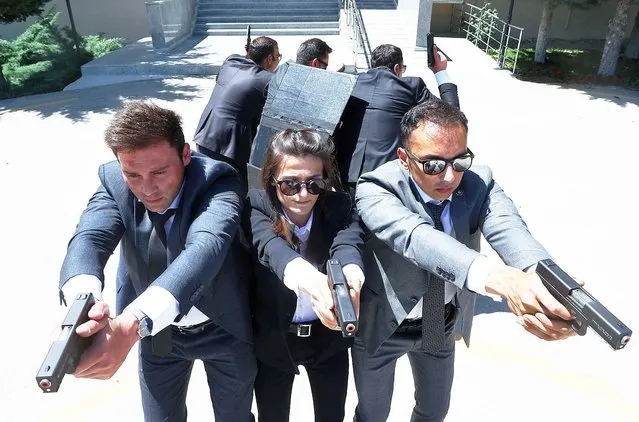
Turkish guard police take special training, lasting 316 hours, for carrying out their job at best at Police Training Center Directorate of Guarding Training Academy of Turkiye on June 1, 2022. in Ankara, Turkiye. (Photo by Evrim Aydin/Anadolu Agency via Getty Images)
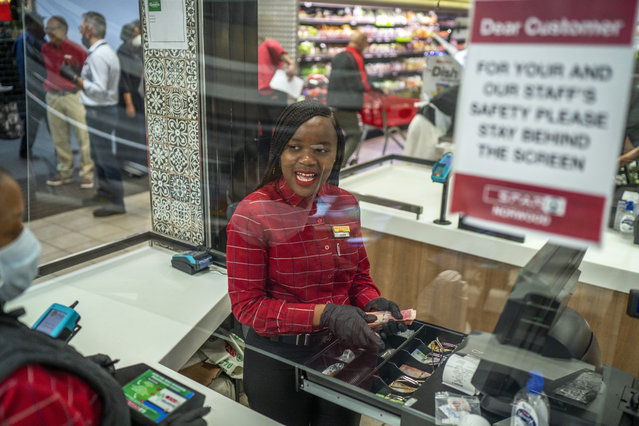
In this March 30, 2020, photo, Zandile Mlotshwa, 21, cashier at Spar supermarket in the Norwood suburb of Johannesburg, counts her cash at the end of her shift. From South Africa to Italy to the U.S., grocery workers – many in low-wage jobs – are manning the front lines amid worldwide lockdowns, their work deemed essential to keep food and critical goods flowing. (Photo by Jerome Delay/AP Photo)
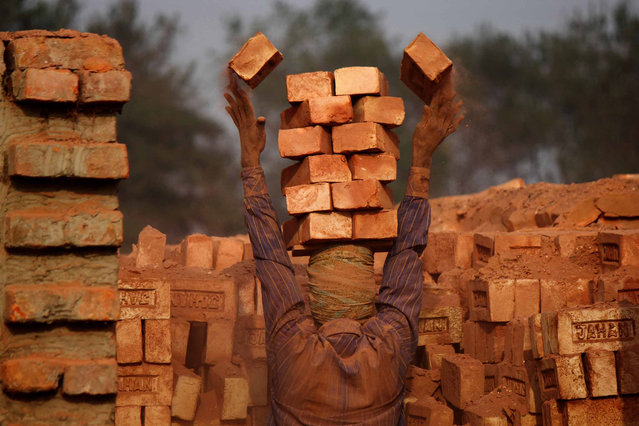
The shoemaker in Turkey, the potato seller in Vietnam, and the weaver in Bolivia are among the billions of low-income entrepreneurs who make the world go round. They are also the type of people who can benefit significantly from microfinance. Every year, the Consultative Group To Assist The Poor (or CGAP) hosts a photo contest asking entrants to submit photos based around the idea of microfinance.The purpose of the contest is to give amateur and professional photographers a chance to show the different ways that poor households manage their financial lives and make their lives better through financial inclusion. Photo: South Asia Regional Winner – “Bricks Worker”, Bangladesh. A private enterprise worker is working at a brick field. These small businesses are creating new job opportunities for many poor people. (Photo by Moksumul Haque)