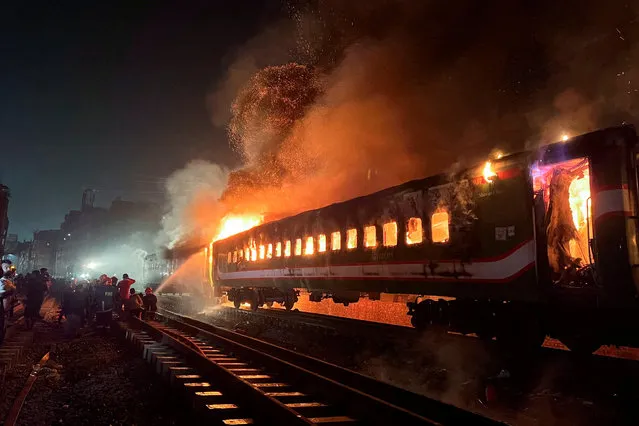
Firefighters try to extinguish a fire caught on a passenger train, ahead of the general election in Dhaka, Bangladesh, on January 5, 2024. (Photo by Mohammad Ponir Hossain/Reuters)
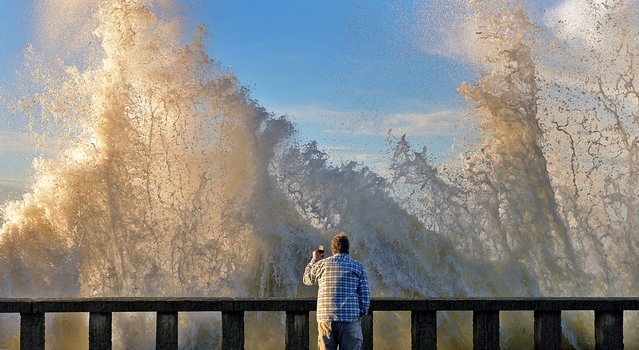
A man watches as high surf crashes into the wall and spills onto Channel Drive in Montecito, Calif., January 7, 2016. Bacteria levels can increase significantly during and after rainstorms as contaminants in the runoff enter the ocean via storm drains, creeks and rivers. (Photo by Mike Eliason/AP Photo)
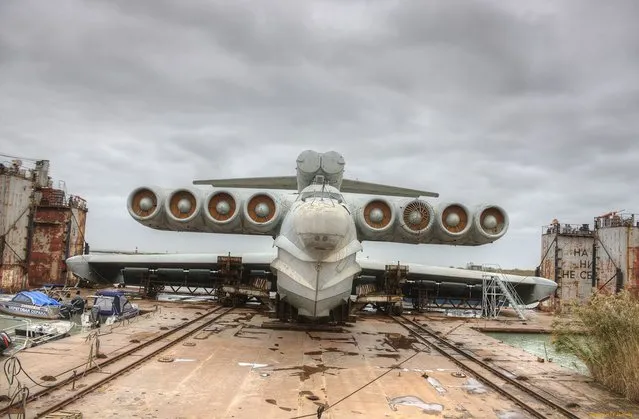
“The Lun-class ekranoplan (NATO reporting name Duck) was a ground effect vehicle (GEV) designed by Rostislav Evgenievich Alexeev and used by the Soviet and Russian navies from 1987 until sometime in the late 1990s. It “flew” using the lift generated by the ground effect of its large wings when close to the surface of the water – about four metres or less. Although they might look similar and/or have related technical characteristics, ekranoplans like the Lun are not aircraft, seaplanes, hovercraft, or hydrofoils – ground effect is a separate technology altogether. The International Maritime Organization classifies these vehicles as maritime ships. The name Lun comes from the Russian for harrier”. – Wikipedia (Photo by Igor113)
Women carry pitchers filled with drinking water in Devmali village in the desert state of Rajasthan, India, June 16, 2016. (Photo by Himanshu Sharma/Reuters)
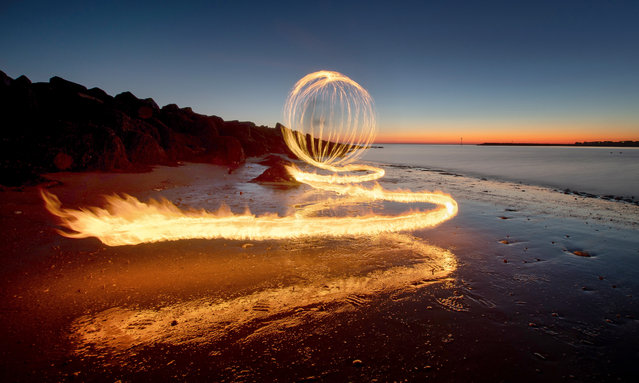
Pictured on December 9, 2022 during the Friday sunset on Martello beach at Clacton in Essex is some light painting with fire created by spinning fire with a 21-second exposure. (Photo by Kevin Jay/Picture Exclusive)
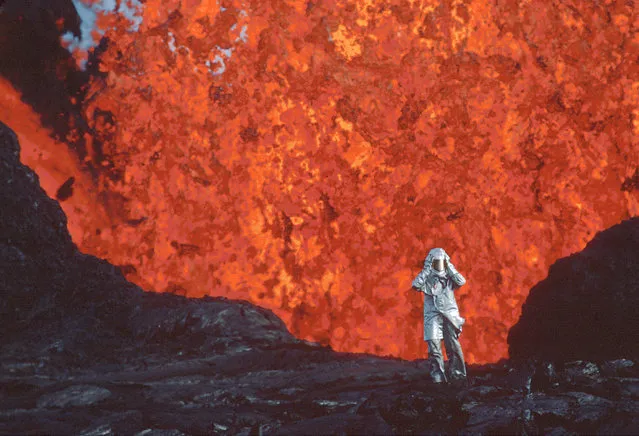
This image released by National Geographic shows Katia Krafft wearing an aluminized suit as she stands near lava burst at Krafla Volcano, Iceland, in a scene from the documentary “Fire of Love”. (Photo by National Geographic via AP Photo)
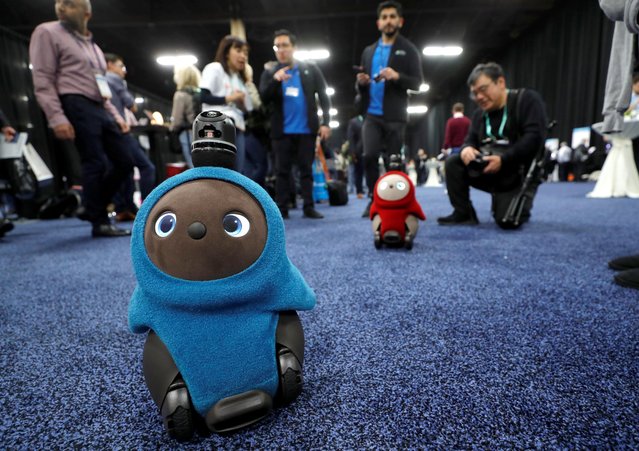
Lovot companion robots by Groove X wander in front their booth at CES Unveiled during the 2020 CES in Las Vegas, Nevada, January 5, 2020. (Photo by Steve Marcus/Reuters)